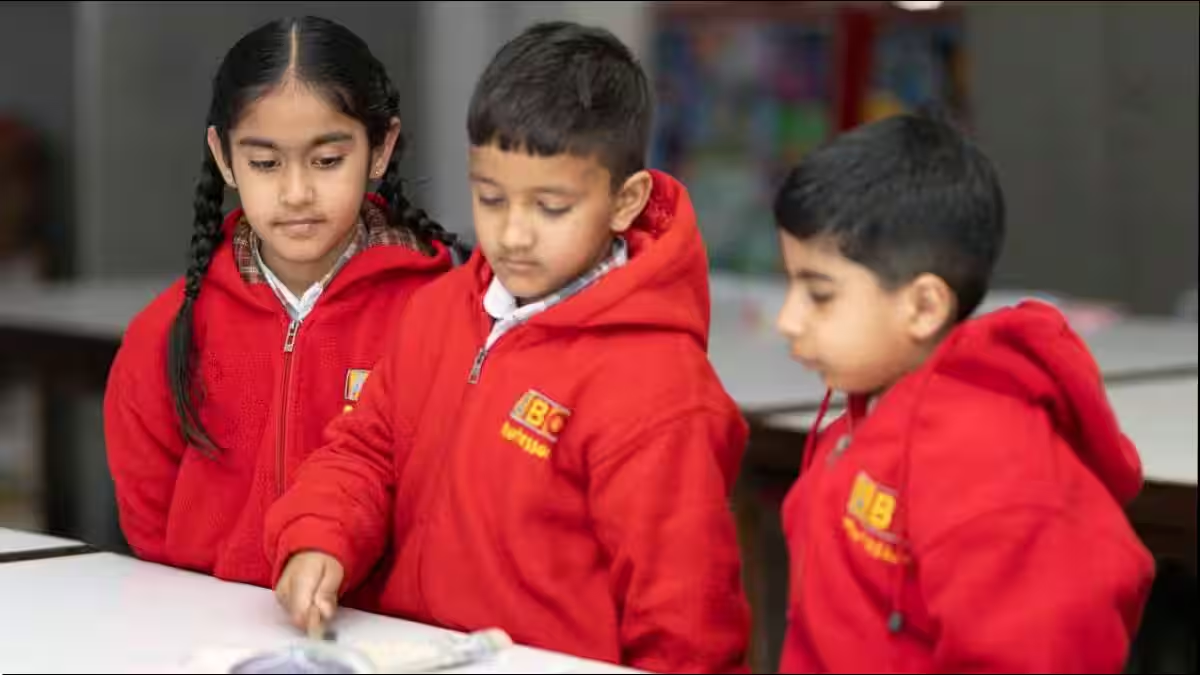
The Karnataka government has approved the introduction of Lower Kindergarten (LKG) and Upper Kindergarten (UKG) classes in 581 government schools for the academic year 2026-27. These pre-primary classes will follow a bilingual, activity-based learning approach under the Samagra Shiksha Karnataka scheme. The initiative aims to enhance early childhood education with proper infrastructure, qualified teachers, and comprehensive monitoring.
- Pre-primary classes will run from 10 am to 3:30 pm separately for LKG and UKG.
- Children aged 4 to 5 years are eligible for admission to LKG.
- Each school will have one LKG and one UKG section with 10 to 40 students per section.
- Teachers must hold relevant qualifications recognized by the National Council for Teacher Education (NCTE).
- Ayahs or assistants will support classroom activities and child care.
- Monitoring will be conducted by district and taluk nodal officers and Block Education Officers.
What are the eligibility criteria for enrolling children in LKG and UKG?
Children aged between four and five years are eligible for admission to the LKG class. Each approved school will have one section for LKG and one for UKG. A minimum of 10 children must enroll in a section for it to start, and the maximum number of students allowed per section is 40. If the minimum enrollment is not met in the current academic year, the school must start the pre-primary classes in the following year.
What are the timings and facilities provided for the pre-primary classes?
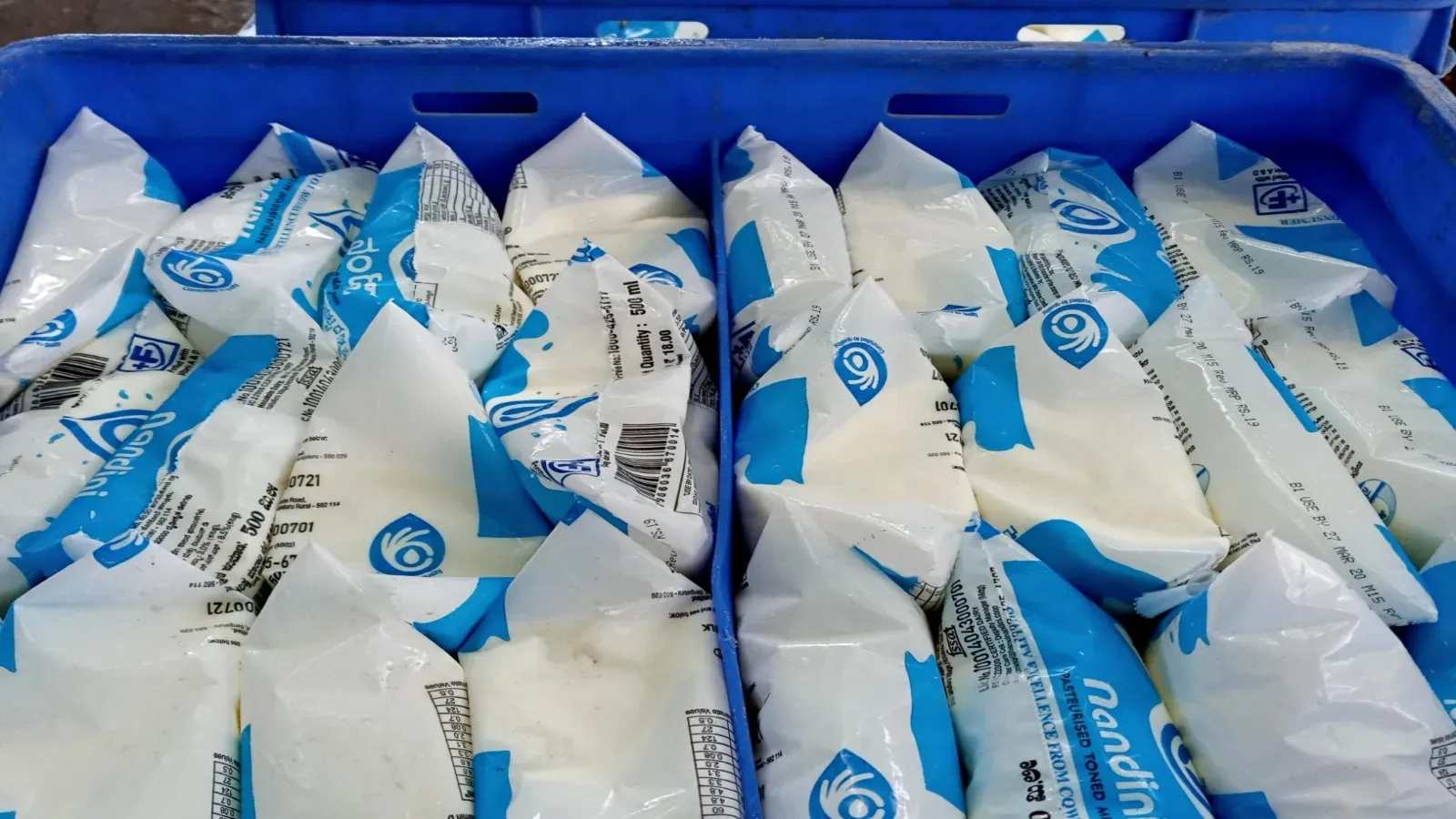
The LKG and UKG classes will be conducted separately in a bilingual medium from 10 am to 3:30 pm. Schools are required to prepare dedicated classrooms equipped with the necessary infrastructure and learning materials, including Balachaitanya bilingual activity books. Additionally, the government will provide hot-cooked midday meals, milk under the Ksheera Bhagya scheme, and supplementary nutritional food such as eggs, following prescribed nutritional standards.
What qualifications are required for pre-primary teachers and assistants?
Each approved school will appoint one teacher each for LKG and UKG on a temporary basis for 10 months. Teacher candidates must have passed the Pre-University Course (PUC) with at least 50% marks and hold a relevant qualification recognized by the National Council for Teacher Education (NCTE). Acceptable qualifications include a Diploma in Nursery Teachers Education, Diploma in Pre-School Teacher Education, Diploma in Early Childhood Education (D.E.C.Ed.) of at least two years, or a B.Ed. in Nursery Education. The maximum age limit for teachers is 45 years.
If qualified candidates are unavailable, those with PUC and D.Ed. training from an NCTE-recognized institution may be considered. Assistants or ayahs must have passed SSLC, be local women below 45 years of age, and belong to the relevant village or ward. If no local candidate is available, candidates from nearby areas may be appointed. The monthly honorarium for ayahs is Rs 6,250, totaling Rs 62,500 for the 10-month period.
How will recruitment and monitoring be conducted?
Recruitment will be transparent and conducted at the school level. A selection committee headed by the Block Education Officer will include a government school headteacher, the president of the primary section’s School Development and Monitoring Committee (SDMC), and a senior assistant teacher. Candidates will be assessed based on educational qualifications, local residence, teaching experience, and teaching skills. The evaluation also considers the ability to communicate with children, recite poems, sing rhymes with gestures, and organize play-based activities.
The School Education Department will issue detailed circulars covering enrollment, recruitment procedures, curriculum, teaching methods, and learning materials. District and taluk-level nodal officers will monitor the program's implementation, while Block Education Officers will ensure compliance in their schools. Authorities will verify appointment orders, attendance records, qualification documents, and student enrollment details. Honorariums will be paid only to eligible and actively working teachers and staff.