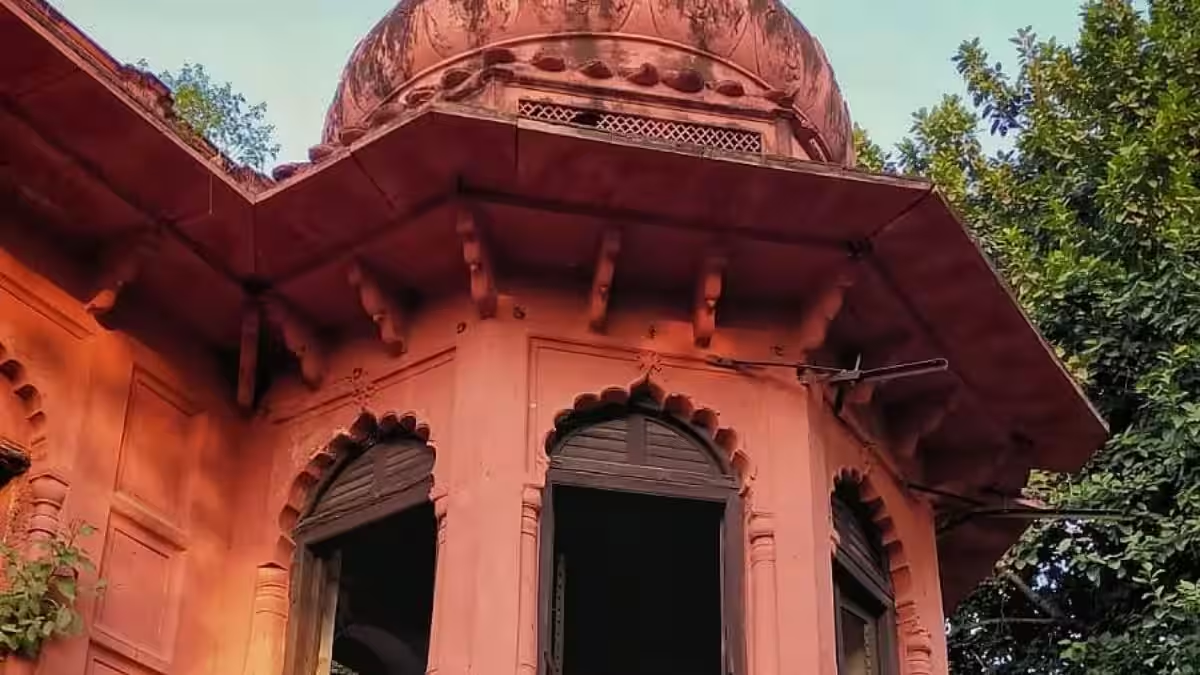
Muslim students at the University of Lucknow have formally requested the university administration to reopen the prayer hall at Lal Baradari or provide an alternative space for offering Namaz. This request addresses an unresolved issue that has persisted for over eight months, affecting the students' ability to practice their religious duties on campus.
- Muslim students seek reopening of Lal Baradari prayer hall or an alternative space.
- The issue has remained unresolved for eight months.
- Students urge university to hold discussions and resolve the matter within fifteen days.
- They cite Articles 14, 15, and 25 of the Indian Constitution regarding equality and religious freedom.
- Students emphasize the duty to promote harmony and brotherhood as per Article 51A(e).
Why are Muslim students asking for the reopening of Lal Baradari prayer site?
The Muslim student community at Lucknow University currently lacks a designated space to perform Namaz on campus. The Lal Baradari prayer hall, which previously served this purpose, has been closed for reasons not specified in the appeal. The students have expressed that this closure has hindered their ability to practice their religion freely and respectfully within the university premises.
What solution are the students proposing to the university administration?
The students have requested the university to either reopen the Lal Baradari prayer hall or identify and provide an alternative suitable location for offering Namaz. They have emphasized the importance of resolving this issue promptly and have asked for discussions with the administration to find a mutually agreeable solution within fifteen days.
Which constitutional provisions do the students refer to in their appeal?
The students have cited several articles from the Indian Constitution to support their request. Article 14 guarantees equality before the law, Article 15 prohibits discrimination on grounds of religion, and Article 25 ensures freedom of conscience and the right to freely profess, practice, and propagate religion. Additionally, they mention Article 51A(e), which outlines the duty of every citizen to promote harmony and the spirit of common brotherhood among all people of India, transcending religious and other diversities.
How do the students want the university to handle their request?
The students have urged the university to address their concerns through open discussions and to provide clear information regarding the rules and facilities related to religious activities on campus. They stress that the matter should be handled with respect for students' religious rights and in a manner that promotes inclusivity and harmony.
What significance does this appeal have for the university community?
This appeal highlights the importance of accommodating religious practices within educational institutions to foster an inclusive environment. By addressing the students' concerns, Lucknow University can demonstrate its commitment to upholding constitutional rights and promoting unity among its diverse student body.
Frequently Asked Questions
Q: Why is the Lal Baradari prayer hall important to Muslim students at Lucknow University?
A: The Lal Baradari prayer hall serves as a designated space for Muslim students to perform Namaz, an essential religious practice. Its closure has left students without a suitable place for worship on campus.
Q: What constitutional rights support the students' request?
A: The students' appeal is supported by Articles 14, 15, and 25 of the Indian Constitution, which guarantee equality, prohibit discrimination, and protect freedom of religion, respectively.
Q: How long have the students been waiting for a resolution?
A: The issue has remained unresolved for over eight months, prompting the students to seek a timely solution.
Q: What do the students expect from the university administration?
A: They expect the administration to engage in discussions, provide clear information on religious facilities, and either reopen the Lal Baradari prayer hall or offer an alternative space within fifteen days.