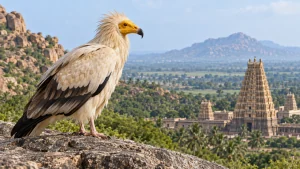
Recent observations have not confirmed the presence of a young Egyptian vulture at the Nemam grasslands near Chennai, despite earlier reports suggesting a possible sighting. Conservationists monitoring the species in southern India have expressed concern over a sharp decline in the resident breeding population of this endangered bird.
The Egyptian vulture, scientifically known as Neophron percnopterus, is listed as Endangered by the International Union for Conservation of Nature (IUCN). The subspecies found in the Indian subcontinent, Neophron percnopterus ginginianus, is noted for being the smallest among Egyptian vultures and characterized by a pale yellow bill.
Population Decline and Distribution in Southern India
As of October 26, 2026, no active breeding sites for Egyptian vultures have been confirmed in Tamil Nadu, and the species is considered locally extinct in the Nilgiris. Across Tamil Nadu and Karnataka combined, fewer than 150 resident Egyptian vultures are estimated to remain. Wintering migrants of this species continue to be recorded in locations such as Chennai, Tirunelveli, and the Koonthankulam Bird Sanctuary. Over the past decade, juvenile Egyptian vultures have been documented in several districts of South Tamil Nadu, prompting calls for further research into their status and habitat needs.
These sightings, though rare, have raised hopes among conservationists but have not yet been substantiated by official surveys at Nemam grasslands. The lack of confirmed breeding activity highlights the urgency of conservation efforts to protect the remaining populations in the region.
Threats Facing the Egyptian Vulture and Conservation Efforts
The Egyptian vulture faces multiple threats contributing to its decline. Toxic veterinary drugs, particularly non-steroidal anti-inflammatory drugs (NSAIDs) used in livestock, have been identified as a significant cause of vulture mortality. Rodenticide poisoning, collisions with power lines, electrocution, quarrying activities, disturbance of nesting cliffs, and the reduction of safe carcasses for feeding further endanger the species.
Conservationists have emphasized the need for coordinated action to address these threats. Proposals include the establishment of an Egyptian Vulture Conservation Breeding Programme in Tamil Nadu to help bolster the population. Protecting key habitats, regulating harmful veterinary drugs, and raising public awareness are also critical components of ongoing conservation strategies.
Notable Facts About the Indian Egyptian Vulture
- The Indian subspecies, Neophron percnopterus ginginianus, is distinguished by its smaller size and pale yellow bill.
- Egyptian vultures regularly consume faeces; carotenoids from ingested plant matter contribute to the bright yellow coloration of their facial skin.
- While temperate-region Egyptian vultures migrate south during winter, tropical populations tend to be more sedentary.
The unconfirmed sighting at Nemam grasslands underscores the critical need for continued monitoring and research to verify the presence of this endangered species and to inform effective conservation policies. With fewer than 150 resident birds remaining in southern India, every confirmed observation is vital to understanding and protecting the Egyptian vulture's future in the region.