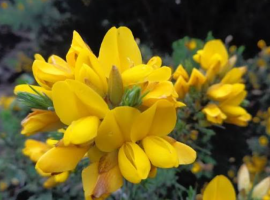
Wild sunflowers have burst into bloom along various roadsides in the Nilgiris district, captivating tourists and locals alike as of November 17, 2026. These bright yellow flowers have become a seasonal highlight, drawing people to scenic routes connecting key towns such as Udhagamandalam, Eppanadu, and Kallatti.
Seasonal Blooms in the Nilgiris
The Nilgiris, known for its rich biodiversity and pleasant climate, experiences a variety of floral displays throughout the year. The region’s gardens, forests, and tourist spots showcase different flowers depending on the season. Alongside the wild sunflowers, visitors can also find wild dahlias, everlasting flowers, cherry blossoms, and jacaranda blooms at various times. These flowers contribute to the Nilgiris’ reputation as a vibrant natural destination, although the current sunflower bloom is particularly prominent along the main roads rather than in areas like Anikorai.
Key Facts About Wild Sunflowers
- Sun-tracking behavior: Young sunflower buds exhibit heliotropism, meaning they track the sun’s movement across the sky. However, once mature, the flowering heads typically face east and stop this movement.
- Environmental benefits: The common sunflower, scientifically known as Helianthus annuus, has the ability to absorb heavy metals and other pollutants from the soil through its roots. These contaminants accumulate in the plant’s shoots and leaves, making sunflowers useful in phytoremediation efforts.
- Flower structure: The sunflower head consists of two types of florets: the outer ray florets, which are usually sterile and give the flower its characteristic yellow petals, and the central disc florets, which are fertile and develop into seeds.
- Flowering pattern: The disc florets open in a distinctive sequence, starting from the outer edge of the flower head and progressing inward in successive rings, creating a visually appealing pattern of blooming.
Why the Sunflower Bloom Matters to the Nilgiris
The annual sunflower bloom offers more than just a beautiful sight. It enhances local tourism by encouraging visitors to explore lesser-known routes and natural areas, benefiting small businesses and communities along the way. The flowers also highlight the ecological richness of the Nilgiris, reminding residents and tourists of the importance of preserving native plant species and their habitats. Additionally, the sunflower’s ability to absorb soil pollutants underscores the potential for using native flora in environmental conservation efforts within the region.
Frequently Asked Questions
Q: When do wild sunflowers bloom in the Nilgiris?
A: Wild sunflowers typically bloom in mid-November, with the 2026 bloom observed around November 17 along key roads in the district.
Q: Where are the best places to see these sunflowers?
A: The most notable displays are along roads connecting Udhagamandalam with Eppanadu and Kallatti, where visitors often stop to admire and photograph the flowers.
Q: Do sunflowers have any environmental benefits?
A: Yes, sunflowers can absorb heavy metals from the soil, helping to reduce pollution and improve soil health through a process called phytoremediation.