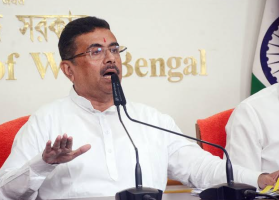
On November 23, 2026, the West Bengal Cabinet gave its approval to rename the state as "Paschim Banga." Chief Minister Suvendu Adhikari announced the decision following a meeting at Nabanna, the state secretariat located in Kolkata. This move marks a significant step in the state's ongoing discussions about its official name and identity.
History Behind the Name Change Proposal
The idea to rename West Bengal as Paschim Banga is not new. The term "Paschim Banga" translates directly to "West Bengal" in Bengali. The proposal first surfaced in 2011, when the state government suggested adopting this name officially. Later, in 2016, the State Legislative Assembly passed a resolution proposing a bilingual naming system: "Bengal" for English and "Bangla" for Bengali. However, this earlier proposal faced challenges, including concerns over phonetic similarity to the neighboring country Bangladesh, which led to the Centre rejecting the name "Bangla" in 2018.
Details of the Current Renaming Process
The current BJP-led government plans to introduce a resolution in the State Legislative Assembly on December 9, 2026, during the winter session scheduled from December 4 to 14. The session will span 11 days, during which the Assembly will debate the proposal to replace "West Bengal" with "Paschim Banga" in all official and administrative documents, including those in English.
- The Assembly resolution is a necessary but not sufficient step; the name change requires approval from the Central government and Parliament under Article 3 of the Indian Constitution.
- The 2018 rejection of the "Bangla" proposal by the Centre highlights the complexities involved in renaming states, especially when linguistic and geopolitical sensitivities are at play.
- The current proposal also reflects ideological and administrative considerations, such as emphasizing historical connections to the 1947 Partition of Bengal and potentially altering the state's alphabetical position in official listings.
What the Renaming Could Mean for West Bengal
Renaming a state is a significant administrative and symbolic act. For West Bengal, adopting "Paschim Banga" could reinforce regional identity by using the Bengali language name officially. It may also influence how the state is perceived nationally and internationally, especially given the historical and cultural weight the name carries.
However, the process involves multiple layers of approval, including the Central government and Parliament, which means the proposal could face political debate and scrutiny. The previous rejection of a similar proposal indicates that the government will need to navigate carefully to address concerns and build consensus.
Beyond symbolism, the renaming would require updating all government documents, signage, and official communications, which is a considerable administrative task. It could also affect everything from educational materials to legal documents, making the transition a complex process.
Frequently Asked Questions
Q: What is the significance of the name "Paschim Banga"?
A: "Paschim Banga" is the Bengali term for "West Bengal." It reflects the state's cultural and linguistic identity and has been proposed to replace the English name officially.
Q: Does the Assembly resolution immediately change the state's name?
A: No. While the Assembly resolution is essential, the name change requires approval from the Central government and Parliament under Article 3 of the Constitution before it becomes official.
Q: Why was the earlier proposal to rename the state "Bangla" rejected?
A: The Central government rejected the "Bangla" proposal in 2018 due to concerns over its phonetic similarity to "Bangladesh," which raised geopolitical sensitivities.