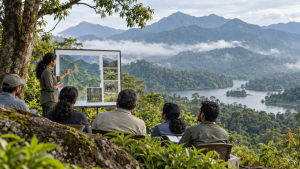
Wayanad in Kerala is set to host India’s first-ever Mountain Ecology Congress, named "Processual Mountains 2026," from December 10 to 12, 2026. This international event will take place at the Kerala Veterinary and Animal Sciences University campus in Pookode, drawing experts and stakeholders from across India and abroad.
What the Congress Will Cover
The three-day congress is organized jointly by the Hume Centre for Ecology and Wildlife Biology and the Kerala Veterinary and Animal Sciences University. It expects around 500 delegates representing mountain regions globally. The event will explore eight thematic areas including mountain evolution and rights, ecosystems and biodiversity, community cultures, livelihoods, climate resilience, and governance.
The program is designed to be immersive and diverse, featuring academic sessions called Dzumsa, experiential learning workshops known as Morung, a community exhibition and marketplace named Haat, cultural evenings under the title Gavari, and guided mountain and bird trails called Bayi. These activities aim to blend scientific discussion with cultural exchange and hands-on experiences.
Why Mountain Ecology Matters in Wayanad
Mountains play a crucial role in ecological balance and human livelihoods, but they face threats from climate change and environmental degradation. The congress seeks to unite researchers, policymakers, Indigenous communities, and practitioners to address these challenges. It will highlight the ecological importance of mountain regions like the Western Ghats, which experienced devastating floods and landslides in 2018.
International Mountain Day, observed on December 11, will fall during the congress, underscoring the global significance of mountain ecosystems. The event’s logo was unveiled by Bindu Krishna, Kerala’s Minister for Women and Child Development, Labour, Animal Husbandry, and Dairy Development, signaling strong government support.
Key Facts About Mountain Culture and Ecology
- Western Ghats Biodiversity Hotspot: Recognized as one of 36 global biodiversity hotspots, the Western Ghats–Sri Lanka region hosts over 1,500 endemic vascular plants but has lost 70% of its original habitat.
- Dzumsa Governance: In North Sikkim, Dzumsa is a traditional village governing body that manages local affairs through community consensus.
- Morung Learning Tradition: Among Naga tribes, Morung refers to communal youth houses where practical skills and cultural knowledge are passed down orally.
- Gavari Theatre: A ritual theatre form of Rajasthan’s Bhil people, Gavari combines dance, music, and drama, traditionally performed during the monsoon season.
Why This Congress Is Important for Mountain Communities
The Processual Mountains 2026 congress will provide a platform for dialogue on mountain conservation and sustainable development. By bringing together diverse voices, it aims to fill gaps in mountain governance and promote climate resilience strategies tailored to fragile mountain ecosystems.
For local communities, the event offers an opportunity to showcase their cultural heritage and traditional knowledge, which are vital for preserving mountain environments. It also raises awareness about the urgent need to protect these regions from environmental threats, ensuring their survival for future generations.
Frequently Asked Questions
Q: What is the main goal of the Mountain Ecology Congress in Wayanad?
A: The congress aims to unite experts, policymakers, and Indigenous communities to discuss mountain ecology, culture, and governance, focusing on conservation and climate resilience.
Q: Why is the Western Ghats region significant in this context?
A: The Western Ghats is a global biodiversity hotspot with many endemic species but faces environmental threats like habitat loss and natural disasters, making it a critical focus area.
Q: What cultural activities will be part of the congress?
A: The event will feature cultural evenings called Gavari, experiential learning sessions known as Morung, and community exhibitions, highlighting mountain traditions and knowledge.