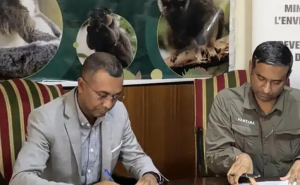
On November 24, 2026, Vantara, operated by the Greens Zoological Rescue and Rehabilitation Centre Society in Jamnagar, India, signed a 10-year Memorandum of Understanding (MoU) with Madagascar’s Ministry of Environment and Sustainable Development. This agreement aims to strengthen wildlife conservation and animal welfare efforts between the two countries. The pact fulfills a prior commitment Vantara made to India’s CITES Management Authority on August 19, 2026.
The MoU outlines collaborative efforts to protect Madagascar’s unique and threatened wildlife through rescue, rehabilitation, veterinary care, and scientific research. Vantara will play a key role in facilitating the safe repatriation of Malagasy animals seized abroad, ensuring their recovery and eventual return to their natural habitats.
Building Conservation Infrastructure in Madagascar
As part of the agreement, Vantara may assist in establishing a National Wildlife Rescue and Rehabilitation Centre in Madagascar. This centre is envisioned as a national hub for conservation activities, research, and training. It will remain under the ownership of the Republic of Madagascar and operate under the authority of the Ministry of Environment and Sustainable Development.
The partnership also includes training programs, internships, specialist exchanges, and applied research projects designed to build local conservation expertise. Vantara will provide field research support and conduct genetic profiling of animals to inform decisions about their release into the wild. However, all final decisions regarding animal release will rest with the Government of Madagascar, advised by its CITES Scientific Authority.
Madagascar’s Environment Minister, Nolave Luck Aristide Andriatsihala, emphasized the importance of cross-border cooperation in safeguarding the country’s natural heritage, stating that such partnerships are vital to protecting endangered species and ecosystems.
Urgent Conservation Needs for Madagascar’s Wildlife
Madagascar is home to some of the world’s most unique biodiversity, but many species face critical threats. According to the International Union for Conservation of Nature (IUCN) Red List, 90% of the island’s lemur species are threatened with extinction. Additionally, populations of the radiated tortoise have declined sharply due to habitat loss and illegal trade.
The MoU with Vantara aims to address these challenges by enhancing rescue operations, improving rehabilitation facilities, and supporting scientific research to inform conservation strategies.
Understanding CITES and Wildlife Protection
The agreement also aligns with the Convention on International Trade in Endangered Species of Wild Fauna and Flora (CITES), which regulates the international trade of listed wildlife species to prevent over-exploitation. CITES requires permits or certificates before any listed specimens can cross international borders, including non-commercial transactions where no money is exchanged.
Under CITES, national Management Authorities are responsible for administering permits, while Scientific Authorities provide advice on the impact of trade on species. Vantara’s collaboration with Madagascar supports these frameworks by ensuring that rescued animals are handled in compliance with international regulations.
This decade-long partnership marks a significant step toward strengthening wildlife conservation efforts between India and Madagascar, aiming to preserve biodiversity and promote sustainable practices for future generations.