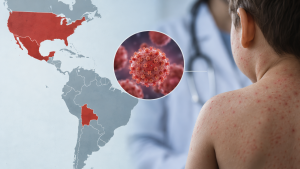
On November 17, 2026, the Pan American Health Organization (PAHO), a regional branch of the World Health Organization (WHO), declared that the United States, Mexico, and Bolivia have lost their measles elimination status. This decision came after a thorough review by PAHO’s Regional Monitoring and Re-Verification Commission for Measles, Rubella, and Congenital Rubella Syndrome Elimination, which convened from November 10 to 13.
Understanding Measles Elimination Status
Measles elimination status is granted to countries or regions that have interrupted endemic transmission of the measles virus for at least 12 consecutive months. The Americas were the first WHO region to be certified as having eliminated endemic measles transmission in 2016, marking a significant public health milestone. However, this status can be revoked if sustained transmission reoccurs.
In this case, the United States, Mexico, and Bolivia experienced continuous in-country transmission of the same measles virus genotype for over a year, from January 2025 through January 2026. This ongoing spread indicates that the virus is no longer under control in these countries, leading PAHO to withdraw their elimination status. Canada had similarly lost its status in 2025 after a prolonged outbreak.
Details of the Recent Measles Outbreaks
- By November 12, 2026, the U.S. Centers for Disease Control and Prevention (CDC) confirmed more than 5,400 measles cases nationwide, marking the worst outbreak since 1991.
- Ten deaths related to measles were reported in the United States during this outbreak.
- Mexico recorded over 13,800 cases, the highest since its 1989–90 epidemic, with children aged one to four years being the most affected group since the outbreak began in early 2025.
- Vaccination coverage in the U.S. has declined, with kindergarten MMR (measles, mumps, rubella) vaccination rates dropping from 95.2% in 2019–20 to 92.4% in 2025–26, falling below the 95% threshold needed for herd immunity.
- PAHO Director Jarbas Barbosa emphasized the urgent need for countries to strengthen vaccination efforts to control the outbreaks.
- Bolivia, Mexico, and the United States are expected to submit detailed plans to PAHO outlining measures to contain the outbreaks and regain their elimination status.
Why Losing Measles Elimination Status Matters
Losing measles elimination status signals a setback in public health efforts and highlights vulnerabilities in vaccination coverage and disease control. Measles is highly contagious and can cause serious complications, especially in young children. The decline in vaccination rates undermines community immunity, allowing the virus to spread more easily.
Measles infection also causes immune amnesia, which weakens the immune system's memory of other pathogens, increasing the risk of additional infections. This makes controlling measles outbreaks even more critical to protect overall public health.
The second dose of the MMR vaccine is essential because it helps immunize the small percentage of individuals who do not develop immunity after the first dose. Maintaining high vaccination coverage is vital to prevent future outbreaks and protect vulnerable populations.
PAHO’s governance structure, including its Pan American Sanitary Conference and Directing Council, plays a key role in monitoring and guiding regional health efforts. The loss of elimination status for these countries underscores the ongoing challenges in sustaining disease control and the importance of coordinated public health responses.
Frequently Asked Questions
Q: What does measles elimination status mean?
A: It means a country or region has stopped the continuous spread of the measles virus for at least 12 months, indicating that endemic transmission has been interrupted.
Q: Why did the U.S., Mexico, and Bolivia lose this status?
A: They experienced uninterrupted transmission of the same measles virus genotype for over a year, showing that the virus was still circulating within their borders.
Q: How can countries regain measles elimination status?
A: By controlling outbreaks through increased vaccination coverage, submitting corrective action plans to PAHO, and maintaining no endemic transmission for at least 12 months.