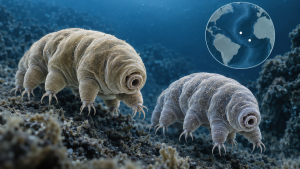
Marine scientists have discovered two previously unknown species of tardigrades on the Senghor Seamount, located in the Eastern Tropical Atlantic Ocean near Cape Verde. The discoveries, published in the journal ZooKeys in late 2026, highlight the rich and largely unexplored biodiversity of deep-sea seamount ecosystems.
The newly described species are named Megastygarctides hekatae and Parastygarctus potercha. Megastygarctides hekatae measures less than 200 micrometres in length and is notable for possessing rare spine-like structures near its genital opening, a feature previously documented in only one other tardigrade species worldwide. Parastygarctus potercha is smaller, measuring approximately 70 micrometres. These microscopic animals were identified from sediment samples collected during a 2009 research expedition aboard the German research vessel Meteor.
Details of the Discovery and Research Team
The research was led by Dr. Roman Trokhymchuk, affiliated with the Dutch Naturalis Biodiversity Center and the German Centre for Marine Biodiversity Research at Senckenberg am Meer. The team’s work involved detailed taxonomic analysis, including morphological descriptions and updated identification keys for the genera Megastygarctides and Parastygarctus. These keys will assist future researchers in distinguishing these and related species based on microscopic characteristics such as claw structure, cephalic cirri, and cuticular sculpturing rather than size alone.
Dr. Trokhymchuk emphasized the significance of the findings: "The discovery of these two new species not only expands our understanding of tardigrade diversity but also underscores the unique ecological conditions present on seamounts like Senghor, which act as biodiversity hotspots in the deep ocean."
Tardigrade Diversity on Senghor Seamount Compared to Deep-Sea Sites
The study documented a total of 20 tardigrade taxa on the summit of Senghor Seamount at depths between 100 and 130 metres. In contrast, a deep-sea site approximately 100 kilometres north of the seamount, situated at a depth near 3,300 metres, yielded only two tardigrade taxa. This stark difference highlights the seamount’s role in fostering greater species diversity due to its unique environmental conditions.
Seamounts like Senghor influence local ocean currents and generate internal waves, leading to enhanced vertical mixing of water layers. This process creates distinct habitats that differ significantly from the surrounding deep-sea plains, supporting a wider variety of marine life, including microscopic organisms like tardigrades.
Tardigrades, often called "water bears," are microscopic animals known for their resilience and ability to survive extreme environments. They are generally classified into groups such as heterotardigrades, which are distinguished by features like dorsal cuticular plates and sensory appendages. These traits were key in identifying the new species and differentiating them from other tardigrade lineages.
The discovery adds valuable information to marine biodiversity records and provides a foundation for further ecological and taxonomic studies in the Atlantic Ocean’s seamount ecosystems. It also highlights the importance of continued deep-sea exploration to uncover the hidden diversity of life in these remote habitats.