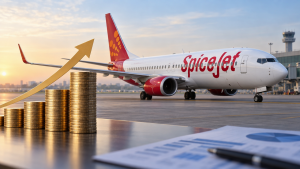
On November 18, 2026, SpiceJet’s Board of Directors gave the green light to a fundraising initiative aimed at securing up to ₹5,500 crore. This move is designed to bolster the airline’s financial health, rebuild its operational capacity, and support its ongoing revival efforts. Alongside this, the board approved increasing the company’s authorised share capital from ₹2,000 crore to ₹7,500 crore, pending shareholder and regulatory approvals.
Why SpiceJet Needs to Raise Funds Now
SpiceJet has faced a series of challenges in recent months that have strained its finances and operations. The airline has been dealing with aircraft groundings, which reduce the number of flights it can operate, and mounting payment pressures. Additionally, soaring aviation turbine fuel (ATF) prices have increased operating costs significantly. These factors have contributed to a sharp decline in SpiceJet’s domestic market share, which dropped from 1.2% in August 2026 to just 0.6% in September, according to data from the Directorate General of Civil Aviation (DGCA).
Financially, SpiceJet reported a net loss of ₹262 crore for the quarter from October to December 2025. Despite these setbacks, the airline’s shares surged by 5% on November 18 and have gained 30% over the previous six trading sessions, reflecting investor optimism about the company’s recovery plans.
Details of the Fundraising Plan
The proposed fundraising will likely involve a mix of equity and other permitted financial instruments. These could include preferential issues, qualified institutional placements (QIPs), rights issues, and private placements. However, SpiceJet has not yet disclosed the names of potential investors, pricing details, or a specific timeline for the fundraising process. The board has been updated on ongoing discussions with investors and has instructed the management team to expedite finalizing these deals.
- Qualified Institutional Placements (QIPs): These allow companies to raise capital from qualified institutional buyers without a public offering. QIPs can include equity shares and convertible securities but exclude warrants.
- Investor Eligibility: QIP securities are issued only to qualified institutional buyers who are not promoters or promoter-related persons of the issuer.
- Regulatory Oversight: A SEBI-registered merchant banker manages the QIP process, and placement documents are made public on the issuer’s and stock exchanges’ websites.
- Domestic Capital Focus: QIPs were introduced by SEBI to encourage Indian companies to raise funds domestically, reducing reliance on foreign capital.
What This Fundraising Means for SpiceJet’s Future
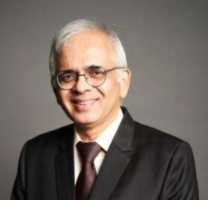
Chairman and Managing Director Ajay Singh emphasized that the fundraising will provide a critical opportunity to rebuild SpiceJet’s operations and restore its brand reputation. Strengthening the airline’s financial position is essential to overcoming current operational constraints and improving service reliability. The infusion of capital is expected to help SpiceJet address its aircraft maintenance issues, manage fuel costs more effectively, and stabilize its market presence.
In September 2026, the Indian government extended support by providing SpiceJet ₹150 crore under the Emergency Credit Line Guarantee Scheme, highlighting the strategic importance of the airline within the country’s aviation sector. The new fundraising round aims to build on this support and enable a sustainable turnaround.
Frequently Asked Questions
Q: What is the purpose of SpiceJet’s ₹5,500 crore fundraising?
A: The funds will be used to strengthen the airline’s finances, rebuild operational capacity, and support its revival amid financial and operational challenges.
Q: What types of financial instruments will SpiceJet use for this fundraising?
A: The fundraising may include equity shares, preferential issues, qualified institutional placements (QIPs), rights issues, and private placements.
Q: How has SpiceJet’s market share changed recently?
A: SpiceJet’s domestic market share dropped from 1.2% in August 2026 to 0.6% in September 2026, reflecting operational difficulties and competition.