On November 17, 2026, the first unit of the Rooppur Nuclear Power Plant successfully connected to Bangladesh’s national electricity grid on a trial basis. This event makes Bangladesh the 33rd country worldwide to generate nuclear power. At around 3:00 pm local time, the unit began supplying 350 megawatts of electricity, signaling a significant step forward in the nation’s energy infrastructure.
Understanding Rooppur Nuclear Power Plant
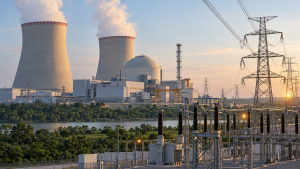
The Rooppur Nuclear Power Plant is located in Ishwardi, Pabna, approximately 160 kilometers from the capital city, Dhaka. It consists of two VVER-1200 reactors, each capable of producing 1,200 megawatts of electrical power, combining for a total capacity of 2,400 megawatts. These reactors are pressurized water reactors designed with advanced safety features and are built with technical and financial assistance from Russia. The entire project has an estimated cost of around US$12.65 billion.
The plant’s development is a landmark for Bangladesh, which has historically relied on fossil fuels and imported electricity. Nuclear power offers a cleaner and more sustainable energy source, helping the country meet growing electricity demands while reducing carbon emissions.
Trial Operation and Key Facts
The trial connection of Unit 1 is being conducted by the Nuclear Power Plant Company Bangladesh Limited in partnership with Russia’s state nuclear corporation, Rosatom. The trial involves supplying electricity for 8 to 10 hours to monitor system stability and conduct technical tests. After this initial phase, the unit will be disconnected for about 28 hours before reconnecting for another 4 to 6 hours of operational checks.
- Unit 1 reached criticality on October 11, 2026, meaning the nuclear chain reaction was successfully initiated.
- Full commercial operation at the plant’s complete capacity is expected in early 2027, following a 10-month trial period and approval from the Bangladesh Atomic Energy Regulatory Authority.
- Unit 2 is planned to become fully operational by 2028.
- The plant features layered safety systems with both active and passive components, providing two- to fourfold redundancy to ensure safe operation.
- Bangladesh and Russia have an agreement to return spent nuclear fuel to Russia for storage, reprocessing, and recycling, addressing concerns about nuclear waste management.
- The plant’s construction contract covers all aspects including equipment, initial fuel loading, staff training, and commissioning, ensuring comprehensive support.
- The reactors use water as both coolant and moderator, with a negative void coefficient that reduces reaction intensity if steam bubbles form, enhancing safety.
Why Rooppur’s Connection Matters for Bangladesh
Connecting Rooppur Unit 1 to the national grid is a milestone that could transform Bangladesh’s energy landscape. The country faces increasing electricity demand due to rapid industrial growth and urbanization. Nuclear power offers a reliable and large-scale source of electricity that can reduce dependence on fossil fuels and imported energy.
However, the project still faces challenges. Completing power ascension and trial operations requires careful management to ensure safety and efficiency. Strengthening regulatory frameworks and nuclear security is essential to maintain public trust and meet international standards. Additionally, securing civil liability coverage and preparing the national grid to handle nuclear-generated power are critical steps before full commercial operation.
Once fully operational, Rooppur is expected to provide a stable supply of electricity, supporting economic development and improving energy security. It also marks Bangladesh’s entry into the group of nations harnessing nuclear energy for peaceful purposes.
Frequently Asked Questions
Q: What is the significance of Rooppur Unit 1 connecting to the grid?
A: It marks Bangladesh’s first step in generating nuclear power, making it the 33rd country to do so, and helps diversify the nation’s energy sources.
Q: How much power does Rooppur Unit 1 supply during the trial?
A: During the trial, Unit 1 supplied 350 megawatts of electricity to the national grid.
Q: When will Rooppur Nuclear Power Plant be fully operational?
A: Unit 1 is expected to be fully operational in early 2027 after completing trials and regulatory approval, while Unit 2 is scheduled for 2028.