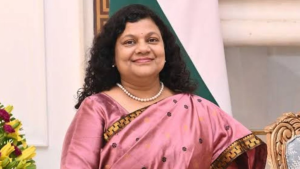
On November 23, 2026, India’s Ministry of External Affairs announced that Pratibha Parkar, who is serving as India’s Ambassador to Panama, has been concurrently accredited as the Ambassador to the Republic of Nicaragua. Parkar will maintain her residence in Panama while taking on the additional responsibility of representing India in Nicaragua.
Understanding India’s Diplomatic Relations with Nicaragua
India and Nicaragua officially established diplomatic relations in March 1983. Since then, the two countries have maintained a relationship characterized by regional cooperation and diplomatic dialogue. India’s embassy in Panama is responsible for managing diplomatic affairs with Nicaragua, reflecting a common practice where one embassy covers multiple countries in a region.
On the other side, Nicaragua’s diplomatic presence in India has evolved over time. Nicaragua closed its embassy in New Delhi in 1990, and its diplomatic accreditation to India is now managed through its mission in Tokyo. Additionally, Nicaragua maintains an honorary consulate general in New Delhi, marking a scaled-back but ongoing diplomatic engagement.
Key Facts About the Appointment and Diplomatic Setup
- Pratibha Parkar’s Background: She is a 2000-batch Indian Foreign Service officer and assumed her role as Ambassador to Panama on September 29, 2026, after being appointed in May of the same year.
- Concurrent Accreditation: Parkar’s new role as Ambassador to Nicaragua is concurrent, meaning she will serve both countries simultaneously while based in Panama.
- Consular Presence: India maintains an honorary consul general in Nicaragua, who operates under the authority of the Indian embassy in Panama City.
- Regional Cooperation: India and Nicaragua engage through multilateral forums such as the Central American Integration System, and there have been ministerial visits from Nicaragua to India to strengthen bilateral ties.
Why This Appointment Matters for India-Nicaragua Relations
Assigning Pratibha Parkar as Ambassador to Nicaragua while she remains in Panama reflects India’s strategic approach to managing diplomatic relations efficiently in Central America. This arrangement allows India to maintain and potentially deepen its engagement with Nicaragua without establishing a separate full embassy in Managua.
Such concurrent accreditations are common in diplomatic practice, especially when countries seek to optimize resources while ensuring representation. Parkar’s experience and recent appointment to Panama position her well to handle the nuances of relations with Nicaragua, a country with which India has maintained steady but limited diplomatic contact.
This move also signals India’s ongoing interest in expanding its presence and influence in Central America, an area of growing geopolitical and economic interest. By strengthening ties with Nicaragua, India can explore new avenues for cooperation in trade, culture, and regional diplomacy.
Frequently Asked Questions
Q: What does concurrent accreditation mean in diplomacy?
A: Concurrent accreditation means that a diplomat, such as an ambassador, is officially appointed to represent their country in more than one nation simultaneously, often residing in one country while covering others nearby.
Q: Why does India manage its diplomatic relations with Nicaragua through Panama?
A: India manages relations with Nicaragua through its embassy in Panama to efficiently cover multiple countries in the region without the need for separate embassies, which helps optimize diplomatic resources.
Q: How long has India had diplomatic relations with Nicaragua?
A: India and Nicaragua have maintained formal diplomatic relations since March 1983, engaging through various regional and bilateral channels over the decades.