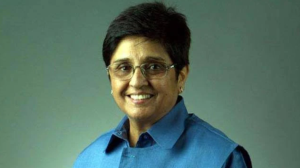
The National Council for Teacher Education (NCTE) appointed Kiran Bedi as a National Mentor under the Mentoring Initiative for Teaching, Research and Assessment (MITRA) on November 18, 2026. The induction took place during an online session at NCTE’s headquarters in New Delhi. Bedi, known as India’s first woman Indian Police Service (IPS) officer and former Lieutenant Governor of Puducherry, will provide guidance to in-service teachers nationwide.
Understanding MITRA and Its Goals
MITRA, formerly known as the National Mission for Mentoring, was renamed on August 17, 2026, coinciding with NCTE’s 32nd Foundation Day. The initiative is part of the broader National Education Policy (NEP) 2020 framework, which aims to enhance the quality of education through mentorship. MITRA’s objective is to build a national network of experienced educators, school principals, and professionals who can mentor teachers actively working in schools across India.
The program emphasizes structured online interactions designed to offer personalized support. This approach encourages teachers to become reflective practitioners and lifelong learners, helping them improve their teaching skills and adapt to evolving educational demands.
Key Details About the Appointment and MITRA
- Kiran Bedi’s first mentoring session for school teachers is scheduled for December 2026.
- The NCTE highlighted Bedi’s extensive administrative experience, leadership qualities, and public service background as valuable assets for guiding educators.
- On November 16, 2026, the Central Board of Secondary Education (CBSE) instructed its affiliated schools to register three to five experienced teachers as MITRA mentors, expanding the program’s reach.
- NCTE serves as a professional standard-setting body under the General Education Council, as designated by NEP 2020.
- Established as a statutory body through the National Council for Teacher Education Act of 1993, effective from 1995, NCTE replaced its earlier advisory role with regulatory authority.
- The NCTE Act empowers the council to grant or withdraw recognition for teacher education institutions based on compliance with prescribed standards.
- NEP 2020 sets a target year of 2030 for making a four-year integrated Bachelor of Education (B.Ed.) degree the minimum qualification for school teachers.
Why Kiran Bedi’s Role Matters for Indian Education
Kiran Bedi’s appointment as a National Mentor under MITRA represents a strategic effort to leverage her leadership and administrative expertise to uplift the teaching community. Her involvement is expected to inspire teachers and provide them with practical insights drawn from her diverse career in public service and governance.
The mentorship initiative aligns with NEP 2020’s vision of transforming education by focusing on teacher quality and professional development. By connecting experienced mentors like Bedi with frontline educators, MITRA aims to foster a culture of continuous learning and innovation in classrooms across India.
Moreover, the CBSE’s directive to involve seasoned teachers as mentors signals a growing institutional commitment to this mentorship model. This could lead to improved teaching standards and better learning outcomes for students nationwide.
Frequently Asked Questions
Q: What is the purpose of the MITRA initiative?
A: MITRA aims to create a national network of mentors to support in-service teachers through personalized guidance and professional development, enhancing teaching quality across India.
Q: Who is Kiran Bedi and why was she chosen as a mentor?
A: Kiran Bedi is India’s first woman IPS officer and former Lieutenant Governor of Puducherry. Her leadership experience and public service background make her well-suited to mentor teachers and guide educational improvements.
Q: How does NCTE regulate teacher education in India?
A: NCTE is a statutory body that sets professional standards, grants recognition to teacher education institutions, and ensures compliance with educational norms as mandated by the National Council for Teacher Education Act, 1993.