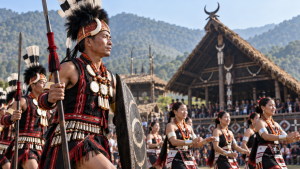
Nagaland is set to host the 27th edition of its renowned Hornbill Festival from December 1 to 10, 2026. The event will take place at the Naga Heritage Village in Kisama, located about 12 kilometers south of Kohima, the state capital. Often called the "Festival of Festivals," this annual celebration highlights Nagaland’s diverse cultural traditions, including indigenous art, music, dance, handicrafts, and cuisine, attracting visitors from across India and around the world.
What the Hornbill Festival Represents
The Hornbill Festival is named after the hornbill bird, a large and colorful species that holds significant cultural symbolism for many of Nagaland’s tribal communities. This festival serves as a platform to preserve and promote the unique customs and heritage of the state’s various ethnic groups. It brings together traditional performances, craft exhibitions, and local food stalls, creating an immersive experience that celebrates Nagaland’s identity and fosters unity among its people.
Since its inception, the festival has grown into a major cultural event, drawing thousands of tourists each year. It also provides an opportunity for local artisans and performers to showcase their talents and gain wider recognition.
Preparations and Highlights for 2026
Preparations for the 27th Hornbill Festival are well underway. On October 14, Chief Minister Neiphiu Rio led a meeting at Bamboo Hall in Kisama to coordinate efforts among government departments and community groups. A mass social work campaign took place statewide on November 13 to ensure the festival site and surrounding areas are well maintained.
- The 2026 festival will feature the Japanese performance group Drum TAO, known for their dynamic drumming and theatrical shows.
- Digital partnerships with platforms like Spotify and YouTube have been announced to broaden the festival’s reach globally.
- Toyota continues its sponsorship for the fifth year, with Miss Nagaland 2022, Hikali Achumi, appointed as the 2026 Toyota Hornbill Ambassador.
Political Developments Linked to Tourism
In a significant political move, the Nagaland Legislative Assembly unanimously passed a resolution urging the Indian central government to withdraw the Protected Area Permit (PAP) regime. This permit system restricts foreign tourists' access to certain regions, including Nagaland, limiting international tourism and economic growth opportunities in the state.
The PAP is governed by the Foreigners (Protected Areas) Order of 1958 and is distinct from the Inner Line Permit (ILP) required for Indian citizens, which is based on an older regulation from 1873. The assembly’s resolution reflects growing local demands for easing travel restrictions to boost tourism and development.
Frequently Asked Questions
Q: Why is the festival called the Hornbill Festival?
A: The festival is named after the hornbill bird, which is culturally significant to many of Nagaland’s tribes and features prominently in their folklore and traditions.
Q: What is the Protected Area Permit (PAP)?
A: The PAP is a special permit required for foreign nationals to enter certain protected regions in India, including Nagaland. It is intended to regulate and monitor foreign visitors for security and cultural preservation reasons.
Q: How does the Inner Line Permit differ from the PAP?
A: The Inner Line Permit applies to Indian citizens traveling to certain restricted areas and is based on the Bengal Eastern Frontier Regulation of 1873, whereas the PAP specifically applies to foreign nationals under a different legal framework.