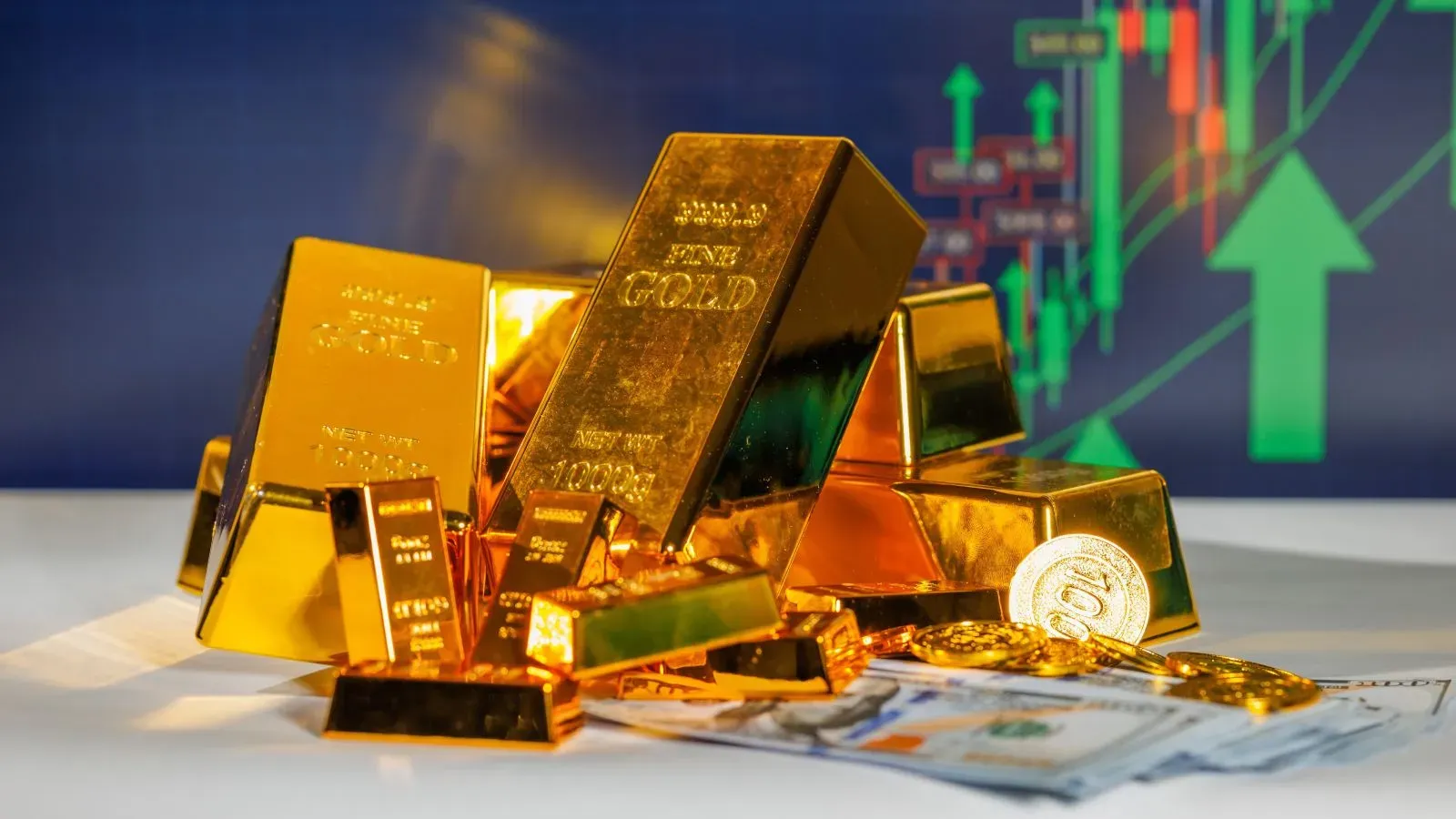
On November 26, COMEX gold and silver prices recovered and traded higher as investors focused on steady US Treasury yields and ongoing inflation concerns. This price movement followed the release of the latest US inflation data and occurred just before the Thanksgiving holiday in the United States.
- COMEX gold futures for December rose 1.3% to $3,582 per troy ounce on the evening of November 25.
- Silver prices also recovered amid similar market conditions.
- Investors are watching inflation data closely due to its impact on interest rates and market expectations.
- Thanksgiving holiday on November 26 led to lower trading volumes but did not halt electronic trading of gold futures.
Why Did COMEX Gold and Silver Prices Recover on November 26?
The recovery in gold and silver prices on November 26 was mainly due to steady US Treasury yields and persistent inflation concerns. The US Personal Consumption Expenditures (PCE) data, which is a key inflation indicator, showed that inflation remains sticky. This means that inflation has not decreased as much as some investors expected, which supports higher precious metal prices as a hedge against inflation.
How Did Inflation Data Affect Market Expectations?
The recent PCE inflation data suggested that inflation pressures in the US economy remain significant. This has led investors to anticipate that the Federal Reserve may continue to raise interest rates or keep them higher for longer. Higher interest rates can increase the appeal of gold and silver as safe-haven assets, leading to price gains.
What Was the Impact of the Thanksgiving Holiday on Trading?
Although the US markets were closed on November 26 for the Thanksgiving holiday, gold futures continued to trade electronically nearly 24 hours a day. However, trading volumes were lower than usual. Despite this, the prices of gold and silver showed a positive trend, reflecting ongoing investor interest and market dynamics.
What Are the Key Takeaways from This Price Movement?
- Gold and silver prices are sensitive to inflation data and interest rate expectations.
- Sticky inflation supports precious metals as investors seek protection against rising prices.
- Market holidays can reduce trading volumes but do not stop electronic trading of futures contracts.
- Investors should monitor inflation indicators and central bank policies for future price trends.
Frequently Asked Questions
Q: What does 'sticky inflation' mean?
A: Sticky inflation refers to inflation rates that remain persistently high or do not decrease as expected, indicating ongoing price pressures in the economy.
Q: Why do gold and silver prices rise when inflation is high?
A: Gold and silver are often seen as safe-haven assets that protect against the loss of purchasing power caused by inflation, so their prices tend to rise when inflation is high.
Q: How does the Thanksgiving holiday affect trading?
A: US markets close on Thanksgiving, leading to lower trading volumes, but electronic trading of futures like gold continues nearly 24 hours a day.
Q: What is the significance of US Treasury yields in this context?
A: Steady Treasury yields suggest stable borrowing costs, which can influence investor decisions and support precious metal prices amid inflation concerns.