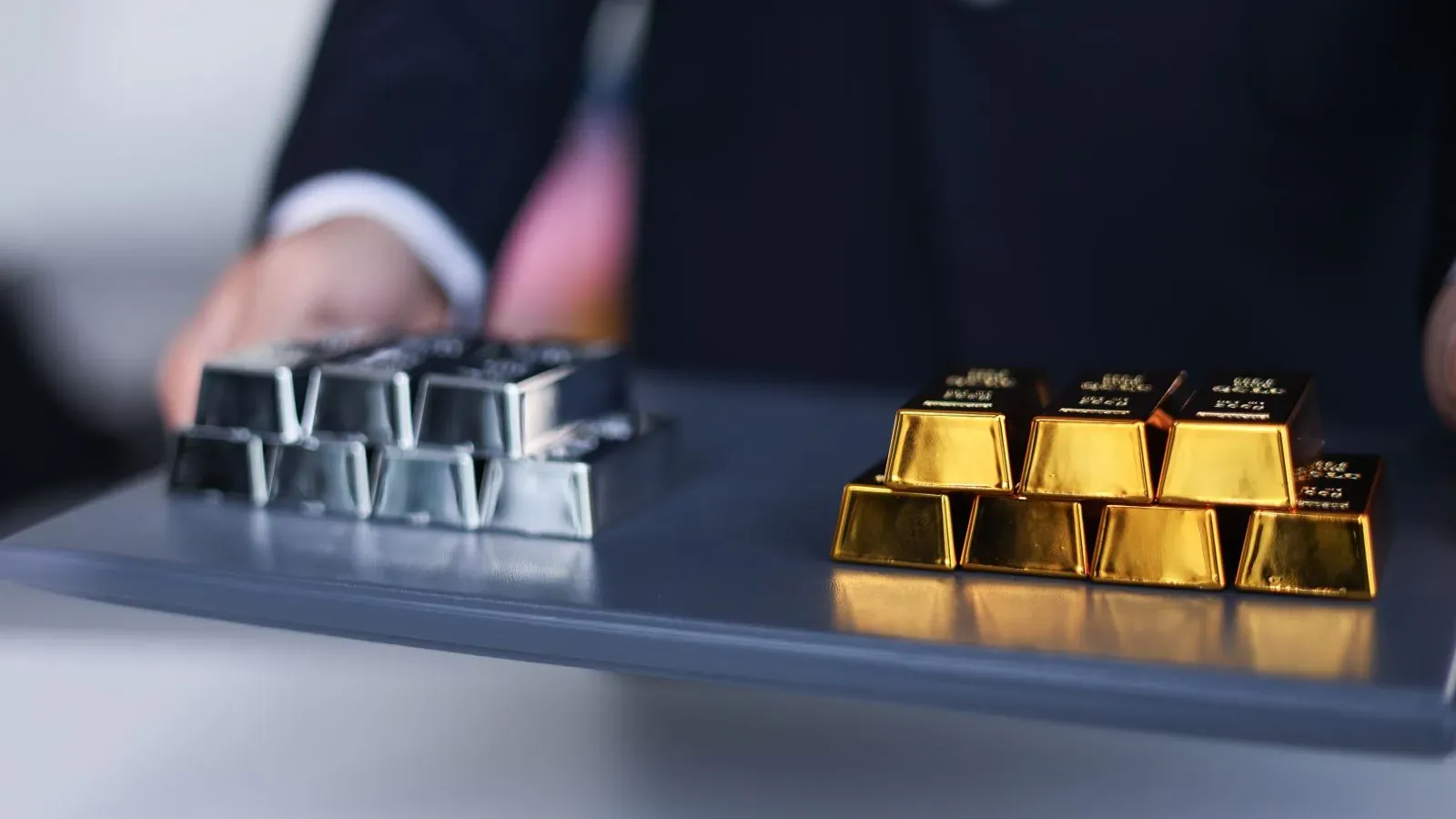
On November 25, 2026, gold and silver prices showed mixed trends as investors closely watched the US Personal Consumption Expenditures (PCE) inflation data. COMEX gold prices declined to approximately $3,551 per troy ounce, while silver prices increased by 0.79%, trading near $41.10 per troy ounce. These price changes highlight how inflation data and expectations of Federal Reserve interest rate hikes influence the precious metals market.
- COMEX gold prices fell by about 0.27% to $3,551 per ounce.
- COMEX silver prices rose by approximately 0.79% to $41.10 per ounce.
- US PCE inflation data is a key factor affecting precious metal prices.
- Silver's industrial uses contribute to its demand beyond being a precious metal.
Why Did COMEX Gold Prices Decline on November 25?
Gold prices on the COMEX market dropped by roughly 0.27% to $3,551 per troy ounce during early trading hours on November 25, 2026. This decline occurred as investors reacted to the latest US inflation data, particularly the PCE inflation report. Since gold does not yield interest, its price is sensitive to expectations about Federal Reserve interest rate changes. When inflation data suggests that the Fed might raise rates, gold prices often fall because higher rates increase the opportunity cost of holding non-yielding assets like gold.
What Caused Silver Prices to Rise?
Unlike gold, silver prices increased by about 0.79% to $41.10 per troy ounce on the same day. Silver’s price movement is influenced not only by its status as a precious metal but also by its industrial demand. Silver has high electrical and thermal conductivity, making it valuable in manufacturing electronics and industrial products. This dual role can sometimes cause silver prices to behave differently from gold.
How Does US PCE Inflation Data Affect Precious Metals?
The US Personal Consumption Expenditures (PCE) inflation data is a key economic indicator that measures changes in consumer spending and inflation. Investors closely monitor this data because it influences the Federal Reserve's decisions on interest rates. Higher inflation readings may lead the Fed to increase rates to control inflation, which can reduce the appeal of precious metals like gold and silver. Conversely, lower inflation may support higher precious metal prices.
What Are the Broader Implications for Investors?
Investors in precious metals must consider both economic data and market expectations. The mixed movement of gold and silver prices on November 25, 2026, illustrates how different factors can affect these metals. While gold is primarily seen as a safe haven against inflation and currency risks, silver’s industrial uses add another layer of demand. Understanding these dynamics helps investors make informed decisions.
Frequently Asked Questions
Q: Why do gold prices drop when interest rates rise?
A: Gold does not pay interest or dividends, so when interest rates rise, investors may prefer assets that generate income, leading to lower gold prices.
Q: What makes silver different from gold in terms of demand?
A: Silver is used both as a precious metal and in industrial applications due to its excellent electrical and thermal conductivity, which affects its price differently from gold.
Q: What is the significance of the US PCE inflation data?
A: The PCE inflation data reflects consumer price changes and influences Federal Reserve decisions on interest rates, impacting financial markets including precious metals.