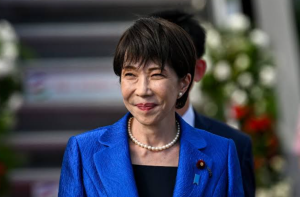
On November 17, 2026, Japanese Prime Minister Sanae Takaichi introduced a proposal for a voluntary Asia Oil Security Task Force during the Asia Zero Emission Community summit in Manila. This event coincided with the 49th Association of Southeast Asian Nations (ASEAN) Summit. The initiative aims to strengthen regional cooperation on oil stockpiling and emergency supply management to enhance energy security across Asia.
Why Asia Needs a Coordinated Oil Security Framework
Asia’s growing energy demands and geopolitical tensions have raised concerns about the stability of oil supplies. The recent conflict involving the US, Israel, and Iran, which began in February 2026, severely disrupted oil flows by effectively closing the Strait of Hormuz, a crucial passage for global oil shipments. This disruption highlighted the vulnerability of Asian countries heavily reliant on imported oil and underscored the need for a collective approach to managing oil reserves and responding to emergencies.
Japan’s proposal envisions a regional mechanism similar to the International Energy Agency (IEA), which was established after the 1973 oil crisis to coordinate emergency oil reserves among its members. However, unlike the IEA, which primarily includes OECD countries, this task force would focus on Asian nations, many of which currently lack sufficient emergency stockpiles.
Key Features of the Proposed Asia Oil Security Task Force
- The task force would facilitate coordinated oil stockpiling among member countries, ensuring that adequate reserves are maintained to manage supply shocks.
- It would enable Asian countries to access unused oil storage capacity in Japan, optimizing existing infrastructure for regional benefit.
- Coordination with a Philippine-led joint oil stockpiling scheme is planned to enhance collective preparedness.
- Japan proposes establishing a central hub for the task force in Tokyo, which would work alongside the International Energy Agency and the Economic Research Institute for ASEAN and East Asia (ERIA) based in Jakarta, potentially serving as the task force’s secretariat.
- In April 2026, Japan had already launched a $10 billion financial support framework to assist Asian countries with limited oil reserves, demonstrating its commitment to regional energy security.
What Japan’s Proposal Could Mean for Asia’s Energy Future
The creation of an Asia Oil Security Task Force could mark a significant step toward greater energy cooperation in a region facing increasing supply risks. By pooling resources and coordinating responses, member countries could reduce their vulnerability to geopolitical disruptions and price shocks. The initiative also reflects Japan’s leadership role in promoting regional stability and sustainable energy practices.
Moreover, the task force could serve as a platform for dialogue and joint action, fostering trust and collaboration among diverse Asian economies. Its alignment with established organizations like the IEA and ERIA may help integrate Asia’s energy strategies with global frameworks, enhancing transparency and efficiency.
However, the success of this proposal will depend on the willingness of Asian countries to participate voluntarily and share sensitive information about their oil reserves. Balancing national interests with collective security will be a key challenge as the task force develops.
Frequently Asked Questions
Q: What is the main goal of the Asia Oil Security Task Force?
A: The task force aims to coordinate oil stockpiling and emergency supply releases among Asian countries to improve regional energy security and manage disruptions effectively.
Q: How does this task force differ from the International Energy Agency?
A: While the IEA includes mostly OECD countries and requires members to hold emergency oil stocks equivalent to 90 days of imports, the Asia Oil Security Task Force would be a voluntary regional initiative focused on Asian nations, many of which currently lack such reserves.
Q: Why is Japan proposing this task force now?
A: The proposal follows recent disruptions in oil supply caused by geopolitical conflicts, notably the closure of the Strait of Hormuz in early 2026, which exposed Asia’s vulnerability to energy supply shocks.