The Indian Space Research Organisation (ISRO) announced that the first Polar Satellite Launch Vehicle (PSLV) constructed entirely by industry partners, named PSLV-N1, is set to launch in the first quarter of 2027. This development was revealed by ISRO Chairman V. Narayanan on November 24, 2026, during the India International Space Conclave held in New Delhi.
Industry Takes Lead in PSLV Production
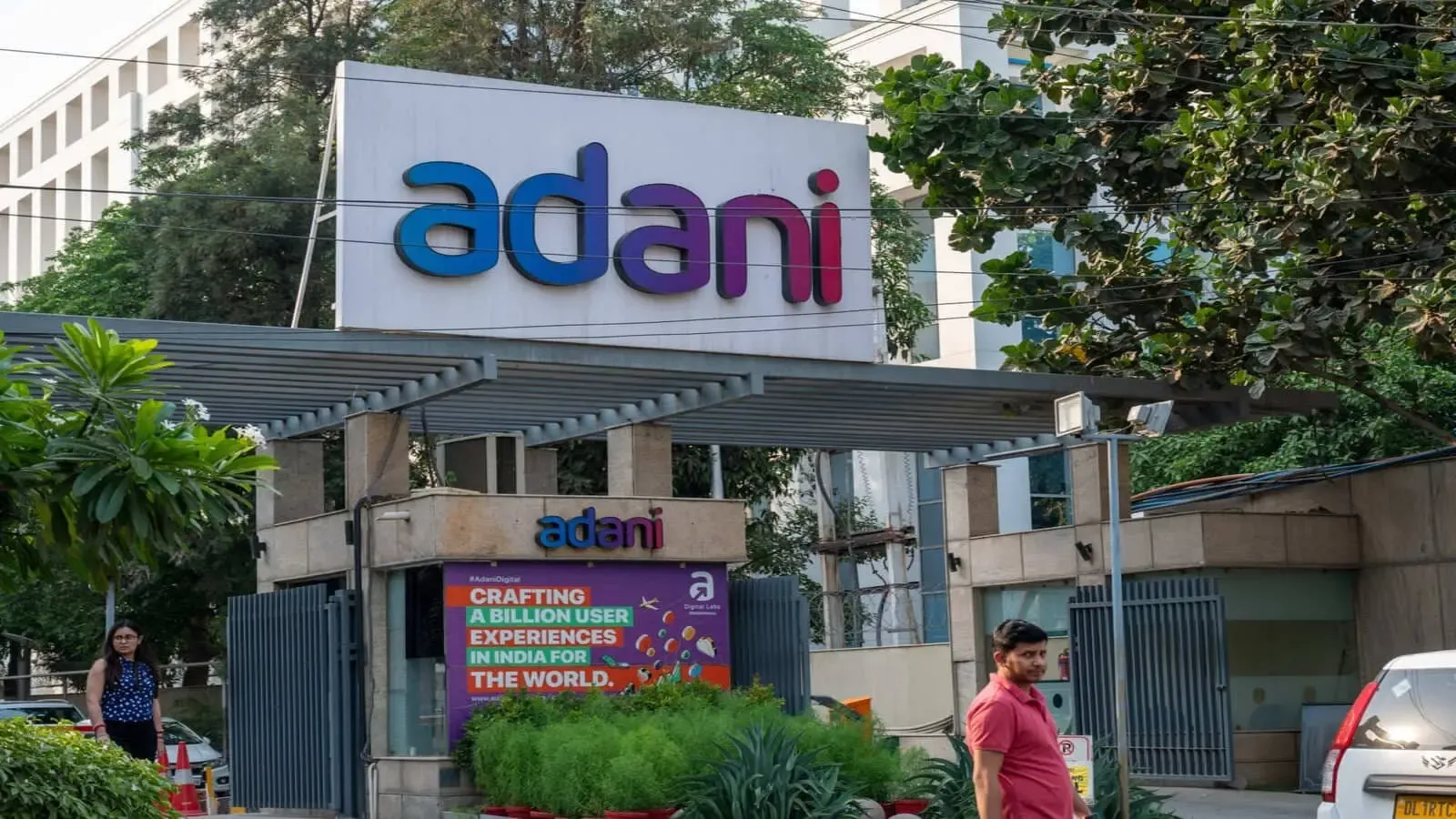
The PSLV-N1 represents a major shift in India's space launch capabilities, as it is the first PSLV to be built end-to-end by a consortium of industry players rather than ISRO alone. In September 2022, NewSpace India Limited (NSIL), a government-owned company responsible for commercial space launches, awarded a contract to a consortium comprising Hindustan Aeronautics Limited and Larsen and Toubro. This contract covers the design, manufacturing, assembly, integration, and delivery of five PSLV-XL launch vehicles.
Previously, the consortium's role was limited to supplying components, but with this contract, they have taken on full responsibility for the launch vehicles. The PSLV-N1 had earlier target launch dates in 2026, but delays occurred due to coordination challenges with the EOS-10 earth observation satellite (also known as Oceansat-3A), limited launch window availability, and changes in component suppliers following two consecutive PSLV mission failures.
Key Features of the PSLV Rocket
- Four-Stage Propulsion: The PSLV uses a combination of solid and liquid propulsion systems alternating across its four stages to optimize performance.
- Multiple Orbit Deployment: Its fourth stage can be reignited during flight, allowing the rocket to deploy satellites into different orbits within a single mission.
- Variants: The PSLV-CA variant operates without strap-on motors, while the PSLV-XL variant, which PSLV-N1 belongs to, features six extended strap-on motors, each carrying 12 tonnes of propellant for enhanced thrust.
Broader Developments in India’s Space Program
Alongside the PSLV-N1 update, ISRO Chairman V. Narayanan shared progress on other key projects. The Gaganyaan human spaceflight mission is in its final stages, with rocket components ready and ongoing work on the orbital module. ISRO has also collaborated with a semiconductor lab in Chandigarh to develop the Vikram series of processors, with the Vikram 16 currently in use and the more advanced Vikram 32 chips slated for future deployment.
India’s space sector continues to expand rapidly, with 56 active Indian space assets, over 440 startups involved in space technology, and partnerships with 64 countries worldwide. This growth reflects India’s increasing role in the global space community and its ambitions to enhance space technology and exploration capabilities.
Frequently Asked Questions
Q: What is the significance of the PSLV-N1 being industry-built?
A: PSLV-N1 marks the first time that Indian industry, rather than ISRO alone, will build and deliver a complete PSLV rocket, indicating a shift toward greater private sector involvement in space missions.
Q: Why was the PSLV-N1 launch delayed from 2026 to 2027?
A: Delays were caused by coordination issues with the EOS-10 satellite launch schedule, limited launch window availability, and changes in component suppliers following two previous PSLV mission failures.
Q: What are the main differences between PSLV variants?
A: The PSLV-CA variant flies without strap-on motors, while the PSLV-XL variant uses six extended strap-on motors for increased payload capacity and thrust.