India is set to host its first-ever National Tribal Olympiad (NTO) on December 13, 2026. This event aims to celebrate and promote the rich heritage, culture, and knowledge of the country’s tribal communities. The announcement came during a tribal convention organized by the Tata Steel Foundation in Jamshedpur, which concluded on November 19, 2026. The initiative is designed to engage tribal students and foster pride in their identity.
Understanding the National Tribal Olympiad
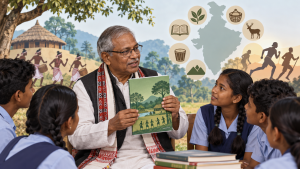
The National Tribal Olympiad is a knowledge competition exclusively for tribal students studying in classes VI through X. It focuses on a wide range of topics related to Adivasi (Indigenous) culture and history. The Olympiad is intended to encourage young tribal learners to deepen their understanding of their roots, traditions, and contributions to Indian society.
The syllabus for the Olympiad is comprehensive, covering areas such as Adivasi history, heritage, constitutional rights, literature, arts, Indigenous knowledge systems, environmental practices, traditional food, sports, self-governance, festivals, and notable tribal achievers. This broad scope reflects the diverse and rich cultural fabric of India’s tribal populations.
Key Details About the Olympiad
- The Olympiad is open only to tribal students in classes VI to X.
- Over 1,500 applications have been received so far, prompting an extension of the application deadline from October 30 to November 29, 2026.
- The study material includes a workbook titled "Rashtriya Adivasi Olympiad," which contains 626 questions and answers. This workbook was developed with contributions from adviser Mahadev Toppo.
- The idea for the Olympiad was first proposed by Ajay Kerketta of Team Dhumkudia, a community group in Ranchi dedicated to preserving Indigenous knowledge.
- The Olympiad highlights the achievements of prominent tribal figures such as athletes Animesh Kujur, Kranti Goud, Salima Tete, and writer Hansda Sowvendra Shekhar.
Why the National Tribal Olympiad Matters
The Olympiad is more than just a competition; it is a platform to build confidence and pride among tribal youth by connecting them with their cultural identity. By learning about their history and achievements, students can develop a stronger sense of self and community. This initiative also helps preserve Indigenous knowledge, which is often passed down orally and at risk of being lost.
Furthermore, the Olympiad aligns with broader efforts to recognize and empower Scheduled Tribes in India. It complements constitutional provisions such as Article 342, which defines Scheduled Tribes, and the Panchayats (Extension to Scheduled Areas) Act (PESA) of 1996, which supports tribal self-governance through Gram Sabhas. By educating young tribal students about their rights and heritage, the Olympiad contributes to sustaining their cultural legacy and promoting social inclusion.
Frequently Asked Questions
Q: Who can participate in the National Tribal Olympiad?
A: The Olympiad is open exclusively to tribal students enrolled in classes VI to X across India.
Q: What topics will the Olympiad cover?
A: The syllabus includes Adivasi history, culture, constitutional rights, literature, arts, Indigenous knowledge, environment, food traditions, sports, self-governance, festivals, and notable tribal achievers.
Q: How does the Olympiad support tribal communities?
A: It fosters pride in tribal identity, preserves Indigenous knowledge, and educates youth about their heritage and constitutional rights, helping empower tribal communities.