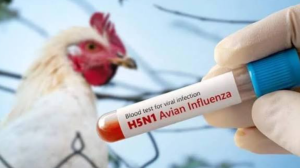
On November 13, 2026, Highly Pathogenic Avian Influenza (H5N1) was officially confirmed in a chicken carcass sample from a poultry farm located in Kattiyankuppam, Kurinjipadi taluk, Cuddalore district, Tamil Nadu. The sample, collected on November 5, was tested by the National Institute of High Security Animal Diseases (NIHSAD) in Bhopal. This confirmation follows reports of sudden bird deaths in the region, prompting swift action by local authorities.
Understanding H5N1 and Its Significance
H5N1 is a subtype of the influenza A virus, characterized by two key proteins on its surface: haemagglutinin type 5 (H5) and neuraminidase type 1 (N1). These proteins help define the virus subtype and influence how it infects host cells. The virus is classified as Highly Pathogenic Avian Influenza (HPAI) when it causes severe disease in domestic poultry, often leading to high mortality rates. However, the severity classification applies primarily to chickens and may not predict the virus's impact on other species.
Influenza viruses like H5N1 have segmented genomes, meaning their genetic material is divided into separate segments. This allows for genetic reassortment when a host is infected with two different influenza strains simultaneously. Such reassortment can create new virus variants with potentially altered characteristics, which is a concern for both animal and human health.
Details of the Outbreak and Response Measures
- Initial bird deaths were reported on October 30, 2026, at a farm in Thamanampatti village within Thiyagavalli panchayat.
- By November 13, a total of 35,647 bird deaths had been recorded in the affected area.
- Fifteen poultry farms were impacted; birds at ten farms had already died, while culling was planned for the remaining five.
- Nine Rapid Response Teams were deployed to contain the outbreak.
- So far, 1,550 birds have been culled as part of containment efforts.
- Culling targets all birds at the epicenter farm and within a one-kilometer radius, following 2021 Government of India guidelines.
- Culled birds are being buried in designated pits to prevent further spread.
- Authorities have imposed restrictions on bird movement, increased surveillance, and disinfected affected premises using VIRKON-S.
- Poultry restocking is banned in the affected zone for three months to ensure virus elimination.
- Separately, 50,000 chickens were culled in Kullanchavadi after positive H5N1 tests.
Earlier in 2026, H5N1 was detected in crows in Chennai and confirmed at Vandalur Zoo on October 2. Despite these incidents, Tamil Nadu’s Minister S. Kamali denied any major veterinary disease outbreaks in the state as recently as November 4.
Why This Outbreak Matters for Poultry and Public Health
The confirmation of H5N1 in Cuddalore highlights ongoing risks posed by avian influenza to poultry industries and potentially to human health. The virus can cause devastating losses in poultry farms, impacting livelihoods and food supply chains. Rapid detection and containment are crucial to prevent wider spread.
Strict biosecurity measures, including culling infected and exposed birds, movement restrictions, and disinfection, are essential to control outbreaks. The prohibition on restocking poultry in affected areas for several months helps break the virus transmission cycle.
While H5N1 primarily affects birds, there is concern about its ability to infect humans, especially those in close contact with infected poultry. Monitoring and controlling outbreaks reduce this risk and help safeguard public health.
Frequently Asked Questions
Q: What is H5N1 avian influenza?
A: H5N1 is a subtype of the influenza A virus that causes highly pathogenic avian influenza, leading to severe disease and high mortality in domestic poultry.
Q: How do authorities control an H5N1 outbreak?
A: Control measures include culling infected and exposed birds, restricting bird movement, disinfecting farms, and banning poultry restocking in affected areas for a set period.
Q: Can H5N1 infect humans?
A: While primarily a bird virus, H5N1 can occasionally infect humans, particularly those with close contact to infected birds, making outbreak containment important for public health.