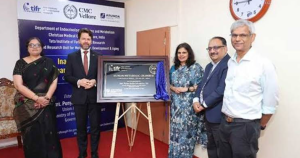
On November 23, 2026, Christian Medical College (CMC) in Vellore, Tamil Nadu, unveiled India’s first Human Metabolic Chamber. This pioneering facility was developed in collaboration with the Tata Institute of Fundamental Research’s Advanced Research Unit on Metabolism, Development and Aging (ARUMDA). The chamber was inaugurated by Union Health and Family Welfare Secretary Punya Salila Srivastava, marking a significant milestone in metabolic research in India.
Understanding the Human Metabolic Chamber
The Human Metabolic Chamber is a sealed, room-sized indirect calorimeter designed to accommodate volunteers for 24 hours or longer. Unlike traditional short-duration metabolic tests lasting 20 to 30 minutes, this chamber allows researchers to monitor a full daily cycle of metabolism. Participants live inside the chamber while eating, sleeping, resting, and performing routine activities. Meals are passed into the chamber through an airlock to maintain airtight conditions.
Inside, scientists measure oxygen consumption and carbon dioxide production to calculate energy expenditure accurately. These measurements help determine how the body uses different fuel sources, such as fats and carbohydrates, throughout the day. The chamber tracks changes in metabolic responses to diet, medication, physical activity, and sleep patterns, providing comprehensive data on human energy metabolism.
Research Goals and Institutional Collaboration
The chamber’s research will focus on generating India-specific data related to metabolism, nutrition, diabetes, and obesity. It will also contribute to studies on aging, malnutrition, and cancer care. The facility complements ongoing research at CMC, including the Vellore birth cohort study that has followed children since 2010–12. A recent joint study published in 2026 revealed that overweight and obesity rates nearly tripled between ages seven and nine, while about one in five children remained underweight.
The chamber is part of a broader research infrastructure supported by ARUMDA’s National Analytical Facility for Nutrition and Metabolism Research, established in 2025. Funding comes from the Department of Atomic Energy, with corporate social responsibility support from Hindustan Unilever Limited. The project benefits from expert guidance by NUTRIM at Maastricht University and network support from the Embassy of the Kingdom of the Netherlands in India.
How This Advances Metabolic Science in India
The introduction of the Human Metabolic Chamber represents a leap forward in understanding how metabolism operates in the Indian population under real-life conditions. By capturing detailed energy expenditure and substrate utilization over extended periods, researchers can better understand the complex interactions between diet, lifestyle, and metabolic health.
This facility enables precise measurement of resting energy expenditure (REE) and respiratory quotient (RQ), which indicate the body’s calorie needs and fuel usage, respectively. For example, an RQ value of 1 suggests carbohydrate-only metabolism, while 0.7 indicates fat-only metabolism. These insights are crucial for tailoring interventions to combat rising rates of obesity, diabetes, and related disorders in India.
Moreover, the chamber’s ability to monitor metabolic changes continuously offers new opportunities to evaluate the effectiveness of treatments and lifestyle modifications. It also supports public health efforts by providing robust scientific data that can inform nutrition guidelines and healthcare policies tailored to Indian populations.
Frequently Asked Questions
Q: What is a Human Metabolic Chamber?
A: It is a sealed room that measures oxygen consumption and carbon dioxide production to calculate a person’s energy expenditure and metabolic fuel use over extended periods.
Q: Why is this chamber important for India?
A: It provides detailed, India-specific data on metabolism and nutrition, helping researchers understand and address health issues like obesity, diabetes, and malnutrition in the Indian population.
Q: How does the chamber differ from other metabolic tests?
A: Unlike short tests lasting minutes, the chamber allows continuous monitoring over 24 hours or more, capturing a full daily metabolic cycle including sleep, activity, and eating patterns.