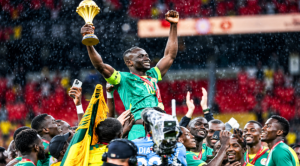
On November 24, 2026, the Court of Arbitration for Sport (CAS) reinstated Senegal as the champions of the 2025 Africa Cup of Nations, reversing a previous ruling by the Confederation of African Football (CAF) that had stripped Senegal of the title. The decision by CAS overturned the CAF Appeal Board’s March 17, 2026 verdict, which had awarded Morocco a 3–0 forfeit victory following a disputed incident in the final match.
Senegal had originally defeated the host nation Morocco 1–0 after extra time in the final held in Rabat on January 18, 2026. The match was marred by controversy in second-half stoppage time when Senegal’s players left the pitch for approximately 14 to 15 minutes in protest of a penalty awarded to Morocco by Congolese referee Jean-Jacques Ndala. After the interruption, play resumed, Morocco’s penalty was saved, and Senegal secured the win.
CAS Upholds Referee’s Authority and Match Outcome
CAS found that referee Ndala acted within his rights and "did not err in law" by restarting the match after the players’ temporary walkout. The court emphasized that the decision to resume or abandon a game rests solely with the referee under the "field of play" doctrine. According to CAS, the tournament regulations concerning teams refusing to play or forfeiting apply only if the referee permanently stops the match. Since the final was completed, the CAF Appeal Board’s decision to forfeit Senegal’s victory was overturned.
"The final was played to completion under the referee’s authority, and the temporary protest by Senegal’s players did not justify awarding a forfeit to Morocco," CAS stated in its ruling.
Reactions from CAF and Moroccan Football Authorities
The Confederation of African Football expressed respect for the CAS ruling and committed to implementing the award promptly. In contrast, the Royal Moroccan Football Federation voiced "astonishment" at the decision and announced plans to explore further legal avenues. The Moroccan federation indicated it might challenge the CAS ruling before the Swiss Federal Supreme Court, citing alleged procedural irregularities.
Specifically, Morocco alleged improper pre-verdict contact between CAS arbitrator Professor Dr. Ulrich Haas and Senegalese federation president Abdoulaye Fall. Both Haas and the Senegalese federation have denied these allegations, affirming the integrity of the arbitration process.
CAS Arbitration Framework and Oversight
The Court of Arbitration for Sport operates under the supervision of the International Council of Arbitration for Sport (ICAS), established by the 1994 Paris Agreement to safeguard CAS’s independence and administration. CAS is divided into Ordinary and Appeals Arbitration Divisions, with appeals permitted only when stipulated by sports regulations or arbitration agreements.
International CAS awards are seated in Switzerland and can be challenged before the Swiss Federal Supreme Court solely on limited statutory grounds, excluding reconsideration of the award’s merits. CAS arbitrators are bound by strict duties of independence and impartiality, with mandatory disclosure of any circumstances that might raise questions about their neutrality.