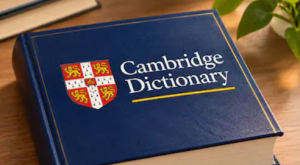
On November 18, 2026, the Cambridge Dictionary, published by Cambridge University Press, announced that "human" is its Word of the Year for 2026. This choice reflects ongoing worldwide discussions about the meaning of being human as artificial intelligence (AI) increasingly mimics human creativity and communication.
Why 'Human' Stands Out in 2026
The word "human" was chosen because it captures the complex qualities that distinguish people from gods, animals, or machines. According to the Cambridge Dictionary, "human" refers to possessing the traits, flaws, and emotions unique to people. In an era where AI technologies produce text, voices, and images that closely resemble human output, the term has gained renewed significance. It symbolizes a growing appreciation for genuine human creativity, connection, and authenticity in a world where machines are becoming more sophisticated.
Key Facts About the Word of the Year and AI Impact
- Selection Process: Cambridge Dictionary bases its Word of the Year on data showing which words users look up most frequently in its online dictionary.
- Human Authored Certification: The Authors Guild introduced a "Human Authored" kitemark for books to identify works created primarily by humans, allowing only minimal AI assistance like spell checks or research. This certification currently applies to books published in the United States.
- Regulations on Synthetic Content: The European Union’s AI Act requires that synthetic content be clearly labeled in a way that machines can read. Providers must disclose deepfakes and other AI-generated media, with special rules for artistic, satirical, or fictional works.
- Copyright and Human Authorship: In the US, copyright protection demands human authorship. Purely AI-generated content is not eligible for copyright, but works that involve creative human input, such as selection or modification, may qualify.
Why Recognizing 'Human' Matters in the Age of AI
The choice of "human" as Word of the Year highlights the cultural and ethical debates sparked by AI’s growing role in content creation. Prominent figures have weighed in on these issues: Bill Gates has called for reserving certain jobs for humans, Nobel laureate Geoffrey Hinton has expressed concerns about creating "alien beings," and Pope Leo XIV has contributed to the discussion. In 2026, actors Matthew McConaughey and Taylor Swift took steps to protect their voices and images by trademarking them, responding to fears about AI deepfakes and unauthorized use of human-generated content.
Lexicographer Colin McIntosh of Cambridge Dictionary noted that AI is reshaping how people think about what it means to be human. The word "human" is increasingly used to differentiate genuine human work from that produced by advanced computer systems. This distinction is becoming more important as AI-generated content becomes widespread in literature, media, and everyday communication.
Frequently Asked Questions
Q: How does Cambridge Dictionary choose its Word of the Year?
A: The dictionary analyzes search data from its online platform to identify the word that has seen a significant rise in lookups and cultural relevance during the year.
Q: What does the Authors Guild's "Human Authored" certification mean?
A: It is a mark given to books that are primarily written by humans, allowing only limited AI assistance such as spell checking or research, to help readers identify authentic human-created content.
Q: Why is human authorship important for copyright protection?
A: In the US, copyright law requires that a work be created by a human to qualify for protection. AI-generated content alone cannot be copyrighted unless there is significant human creative input involved.