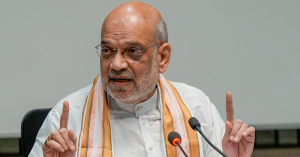
On November 17, 2026, Cabinet Secretary Dr. T.V. Somanathan officially launched the Karmayogi Sankalpa initiative during the closing session of NITI Aayog’s National Workshop on “Leadership as a Mission” held at Bharat Mandapam in New Delhi. This new program is hosted on the iGOT Karmayogi platform and aims to encourage civil servants across India to commit to specific leadership improvements in their roles.
Understanding Karmayogi Sankalpa and Its Purpose
Karmayogi Sankalpa is designed to translate leadership training into tangible actions within government service. Civil servants are invited to make personal commitments that outline where they will apply new leadership skills, which attributes they plan to develop, how citizens will benefit from these changes, and the concrete steps they will take. The initiative seeks to embed a culture of continuous improvement and accountability among public officials.
The program aligns with the broader Mission Karmayogi framework, which focuses on enhancing the capabilities of government employees through targeted learning and development. By setting measurable commitments, Karmayogi Sankalpa hopes to ensure that training leads to visible improvements in governance and public service delivery.
Details of the National Workshop and Participation
The launch event was part of the first of five National Workshops organized by NITI Aayog to commemorate Prime Minister Narendra Modi’s 25 years as Head of Government. These workshops will continue until October 2027, covering various themes related to governance and leadership.
The workshop featured discussions on significant topics such as the reconstruction of Kutch following the 2001 earthquake, India’s response to the COVID-19 pandemic, the Lakhpati Didi initiative aimed at women’s empowerment, and the development of the space economy. Approximately 900 participants attended, including 150 senior government officials such as Secretaries and District Collectors, alongside 25 students. Of these, 250 took part actively in the deliberations.
Key Facts About the Karmayogi Platform and Governance
- Platform Management: The iGOT Karmayogi platform is overseen by Karmayogi Bharat, a not-for-profit company established under the Department of Personnel and Training.
- Competency Framework: Mission Karmayogi uses a detailed Framework of Roles, Activities, and Competencies to align public service jobs with the skills and capabilities required, enabling personalized learning pathways.
- Capacity Building Commission: Established in 2021, this commission supports the creation of annual capacity-building plans and works to standardize training across civil service institutions nationwide.
- Governance Structure: NITI Aayog’s Governing Council, chaired by the Prime Minister, includes Chief Ministers of states and Lieutenant Governors of Union Territories, providing strategic oversight.
Why Karmayogi Sankalpa Matters for Public Service
Karmayogi Sankalpa represents a shift towards a more accountable and proactive civil service in India. By encouraging officials to publicly commit to leadership improvements, the initiative fosters a culture of responsibility and continuous learning. This approach aims to bridge the gap between training and real-world application, ensuring that government officers not only acquire new skills but also implement them effectively for the benefit of citizens.
The target of securing 25,000 commitments by December 25, 2026—Good Governance Day—underscores the government’s emphasis on measurable progress. If successful, this model could serve as a blueprint for enhancing leadership and governance standards across various levels of public administration.
Frequently Asked Questions
Q: What is the main goal of Karmayogi Sankalpa?
A: The initiative aims to encourage civil servants to make specific leadership commitments that translate training into practical improvements in governance and public service.
Q: Who manages the iGOT Karmayogi platform?
A: The platform is managed by Karmayogi Bharat, a not-for-profit company under the Department of Personnel and Training.
Q: How many commitments does the initiative aim to achieve?
A: The goal is to have 25,000 leadership commitments recorded by December 25, 2026, which is observed as Good Governance Day.