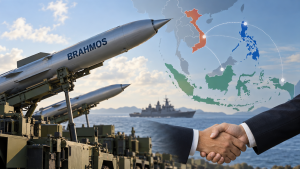
BrahMos Aerospace announced on November 13, 2026, that it has supplied BrahMos missiles to the Philippines and finalized a significant defense agreement with Vietnam. The Vietnam deal, signed in May 2026, involves an initial payment of about $100 million as part of a broader coastal defense and multi-platform package valued between $629 million and $700 million.
Indonesia also secured an initial order for shore-based BrahMos missiles in July 2026, worth between $200 million and $350 million. This order is part of a larger defense arrangement exceeding $600 million. Several other Southeast Asian nations have shown interest in acquiring the missile system, with negotiations progressing pending government approvals. BrahMos Aerospace CEO Jaiteerth R Joshi attributed this surge in demand to the missile’s proven performance during Operation Sindoor and highlighted the role of non-destructive testing in maintaining the reliability of missiles produced up to two decades ago.
Understanding the BrahMos Missile System
The BrahMos missile is a supersonic cruise missile developed jointly by India and Russia. It is known for its speed, precision, and versatility. The missile uses a two-stage propulsion system: a solid-propellant rocket booster provides initial acceleration, followed by a liquid-fueled ramjet engine that sustains supersonic cruise speeds. This combination allows the missile to strike targets quickly and accurately.
BrahMos can be launched from multiple platforms, including submarines, surface ships, fighter aircraft, and land-based transporter erector launchers. This flexibility enables deployment across various branches of the armed forces. The air-launched version of BrahMos features a smaller booster and additional tail fins to ensure stability when released from an aircraft.
Key Facts About Recent Deals and Events
- The Vietnam agreement signed in May 2026 includes an initial tranche of approximately $100 million within a broader package valued between $629 million and $700 million.
- Indonesia’s initial shore-based missile order, concluded in July 2026, is valued between $200 million and $350 million and is part of a defense deal exceeding $600 million.
- Other Southeast Asian countries are in advanced talks to acquire BrahMos missiles, pending government clearances.
- Non-destructive testing (NDT) techniques are used to ensure the reliability of BrahMos missiles, even those manufactured 10 to 20 years ago.
- The Indian Society for Non-Destructive Testing will host major conferences in Hyderabad from November 15 to 17, 2026, featuring over 2,000 participants and more than 100 international speakers.
- Defence Minister Rajnath Singh is scheduled to inaugurate these events, which are expected to generate business deals exceeding ₹3,000 crore and foster technology exchanges.
Why These Developments Matter for Regional Security
The supply of BrahMos missiles to the Philippines and the substantial deal with Vietnam underscore a growing trend of Southeast Asian countries enhancing their coastal defense capabilities amid regional security challenges. The BrahMos missile’s speed, precision, and adaptability make it a valuable asset for countries seeking to protect their maritime boundaries and deter potential threats.
These deals also reflect India’s expanding role as a defense supplier in the region, strengthening strategic ties with neighboring countries. The use of advanced non-destructive testing methods ensures that the missile systems remain reliable and effective over long periods, which is crucial for maintaining operational readiness.
Furthermore, the upcoming conferences on non-destructive testing and aerospace technologies in Hyderabad highlight ongoing efforts to advance defense technology and foster international collaboration. These events provide a platform for knowledge exchange, business partnerships, and the development of cutting-edge solutions that can enhance defense capabilities globally.
Frequently Asked Questions
Q: What is the BrahMos missile?
A: BrahMos is a supersonic cruise missile developed jointly by India and Russia, capable of being launched from land, sea, air, and underwater platforms. It is known for its high speed and precision targeting.
Q: Which countries have recently acquired BrahMos missiles?
A: The Philippines has received BrahMos missiles, while Vietnam and Indonesia have signed significant deals to acquire the missile system as part of broader defense packages.
Q: How does non-destructive testing contribute to BrahMos missile reliability?
A: Non-destructive testing methods allow for the inspection and verification of missile components without causing damage, ensuring that missiles manufactured years ago remain safe and operationally reliable.