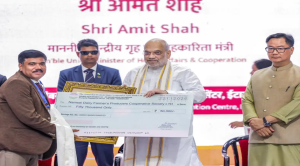
On November 22, 2026, Union Home and Cooperation Minister Amit Shah introduced the Arunachal Pradesh Cooperative Vision 2047 during the Sahakarita Samaroh conference in Itanagar. The event drew key leaders including Chief Minister Pema Khandu, Union Minister Kiren Rijiju, and Deputy Chief Minister Chowna Mein. This ambitious plan aims to transform the cooperative sector into a powerhouse for rural development and economic independence by the year 2047.
Understanding Arunachal Pradesh’s Cooperative Vision 2047
The Cooperative Vision 2047 is designed to harness the potential of cooperatives to drive rural prosperity, generate employment, and promote economic self-reliance in Arunachal Pradesh. The plan focuses on achieving self-sufficiency in essential food products such as milk, eggs, meat, and fish. It sets a target to economically empower at least 32,000 families through dairy, fisheries, and other cooperative ventures. This vision aligns with the broader goal of strengthening grassroots economic structures and improving livelihoods in the state’s rural areas.
Currently, the cooperative movement in Arunachal Pradesh involves over 56,000 people. The state supports 185 Primary Agricultural Credit Societies, 52 dairy cooperatives, and 43 fisheries cooperatives, which form the backbone of this initiative. Financial backing for these cooperatives and women’s Self-Help Groups will come from the National Cooperative Development Corporation (NCDC) and the National Bank for Agriculture and Rural Development (NABARD), both of which play critical roles in funding and oversight.
Major Projects Announced Alongside the Vision
Along with unveiling the vision, Amit Shah launched development projects worth ₹5,610 crore, with some reports highlighting ₹4,000 crore allocated specifically for road and power infrastructure. These projects include the second phase of Mission Shikshit Arunachal, which focuses on education, as well as power and rural road improvements. Additionally, 199 projects under the Vibrant Villages Programme are underway across 11 border districts.
The Vibrant Villages Programme has already made a significant impact by halting migration in 40 border villages. Improved access to electricity, education, healthcare, drinking water, and employment opportunities has encouraged residents to return and settle in these areas. Shah also flagged off solar-powered mobile medical vans to serve the border districts and inaugurated the SARAS Mela, a marketplace designed to support local cooperatives and Self-Help Groups.
Why Cooperative Vision 2047 Matters for Arunachal Pradesh
This vision represents a strategic effort to build a sustainable rural economy by empowering local communities through cooperatives. By focusing on self-reliance in food production and economic activities, the plan aims to reduce dependency on external sources and create stable livelihoods. The involvement of financial institutions like NCDC and NABARD ensures that cooperatives receive the necessary funding and supervision to thrive.
Moreover, the integration of infrastructure projects with cooperative development addresses multiple challenges simultaneously—improving connectivity, power supply, education, and healthcare alongside economic empowerment. The success of the Vibrant Villages Programme demonstrates how targeted government initiatives can reverse migration trends and revitalize border communities, which are often neglected.
Overall, Cooperative Vision 2047 is a comprehensive roadmap that could transform Arunachal Pradesh’s rural landscape by 2047, fostering inclusive growth and resilience.
Frequently Asked Questions
Q: What is the main goal of the Cooperative Vision 2047?
A: The vision aims to make cooperatives the driving force behind rural prosperity, employment, and economic self-reliance in Arunachal Pradesh by 2047.
Q: Which organizations will support the cooperatives financially?
A: The National Cooperative Development Corporation (NCDC) and the National Bank for Agriculture and Rural Development (NABARD) will provide financial assistance to cooperative societies and women’s Self-Help Groups.
Q: What impact has the Vibrant Villages Programme had so far?
A: The programme has stopped migration in 40 border villages by improving access to electricity, education, healthcare, drinking water, and employment, encouraging residents to return.