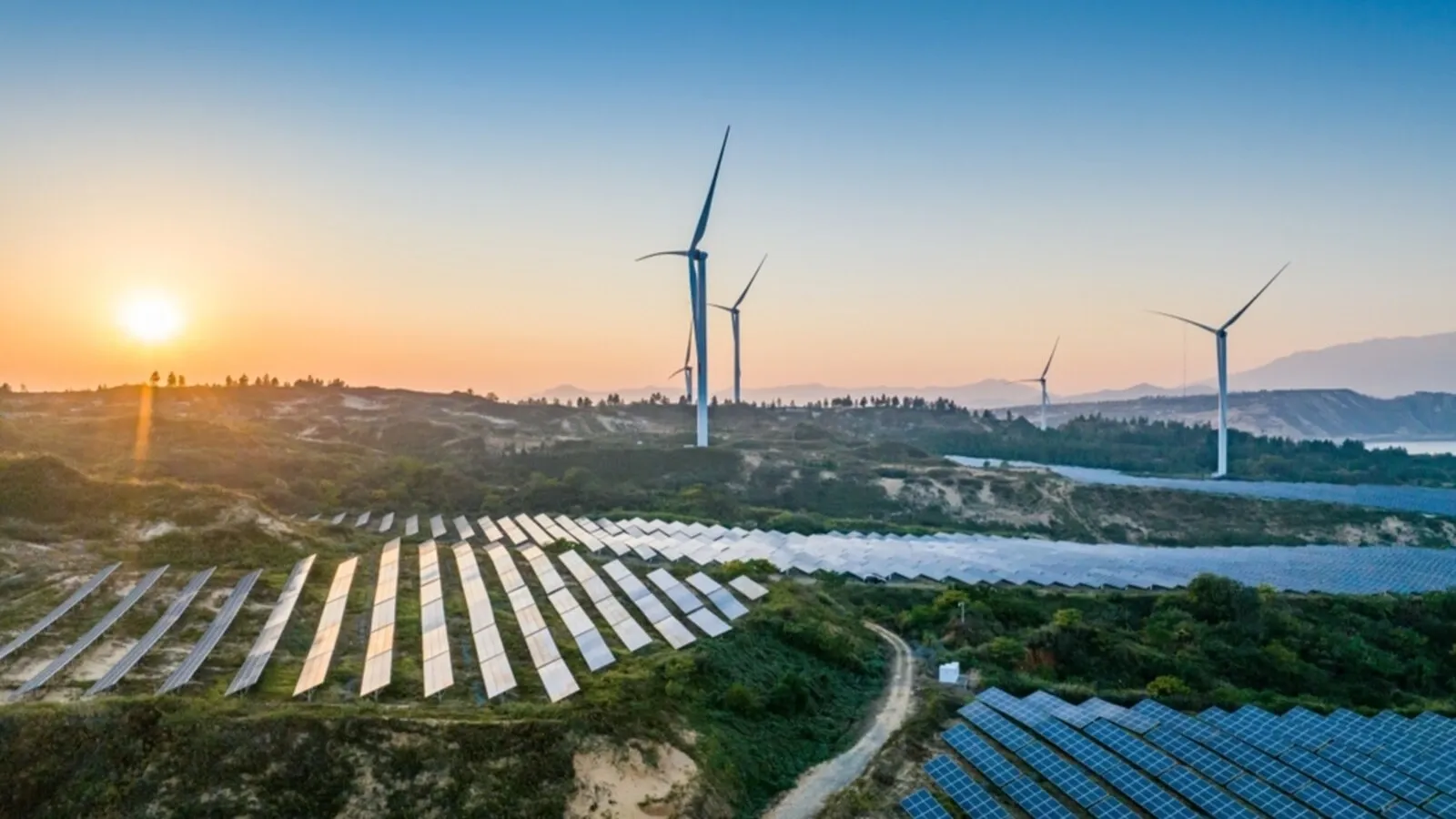
SBI has financed 60 gigawatts (GW) of renewable energy capacity so far, with its renewable energy loan book standing at ₹1.24 lakh crore. This information was shared by Ashwini Tewari, Managing Director of SBI, who emphasized that battery energy storage is the biggest challenge facing India's power sector today. Adequate storage and transmission infrastructure are essential to support the growing renewable energy capacity.
- SBI has funded 60 GW of renewable energy out of 250 GW installed capacity.
- The renewable energy loan book of SBI is ₹1.24 lakh crore.
- Battery energy storage is critical for supporting renewable energy generation.
- Transmission infrastructure needs to catch up with renewable energy expansion.
- SBI is working with Power Grid to monetize transmission assets through InvITs.
Why is battery energy storage important for India's power sector?
Battery energy storage is vital because solar and wind energy, the main sources of renewable power, are intermittent. They cannot provide continuous baseload power without proper storage. This limits their contribution to actual electricity generation despite their significant share in installed capacity. Ashwini Tewari pointed out that storage is the "single most important thing in power" and called for a movement in battery storage similar to the one seen in solar energy.
How does storage affect renewable energy generation?
The lack of adequate storage causes a mismatch between installed renewable energy capacity and actual power generation. Although renewable and fossil fuel sources have roughly equal shares in installed capacity, fossil fuels still generate 70-80% of electricity. This disparity is due to the intermittent nature of renewables and insufficient storage solutions.
Is funding a problem for transmission infrastructure?
According to Tewari, funding is not a constraint for transmission projects. Banks are willing to finance these projects, but transmission infrastructure has not kept pace with the rapid expansion of solar installations. Bridging this gap will take two to three years, and efforts are underway to accelerate this process.
What steps is SBI taking to support transmission infrastructure?
SBI is collaborating with Power Grid and other entities to facilitate the monetization of transmission assets through Infrastructure Investment Trusts (InvITs). Pension funds and long-term institutional investors are interested in assets that provide regular yields over long durations, making transmission infrastructure a suitable candidate for monetization.
What are the alternatives to battery energy storage?
Other options like nuclear power and pumped storage hydro exist but take much longer to develop. Nuclear projects may require 15-20 years, while pumped storage hydro projects might take four to five years. Until these alternatives become viable, battery storage remains the primary solution to support renewable energy growth.
What about electric vehicles in India?
Tewari also mentioned the need to accelerate the adoption of electric trucks. While electric two-wheelers, three-wheelers, and passenger vehicles have seen some progress, the electric truck segment is still in its early stages and requires more focus to support the energy transition.