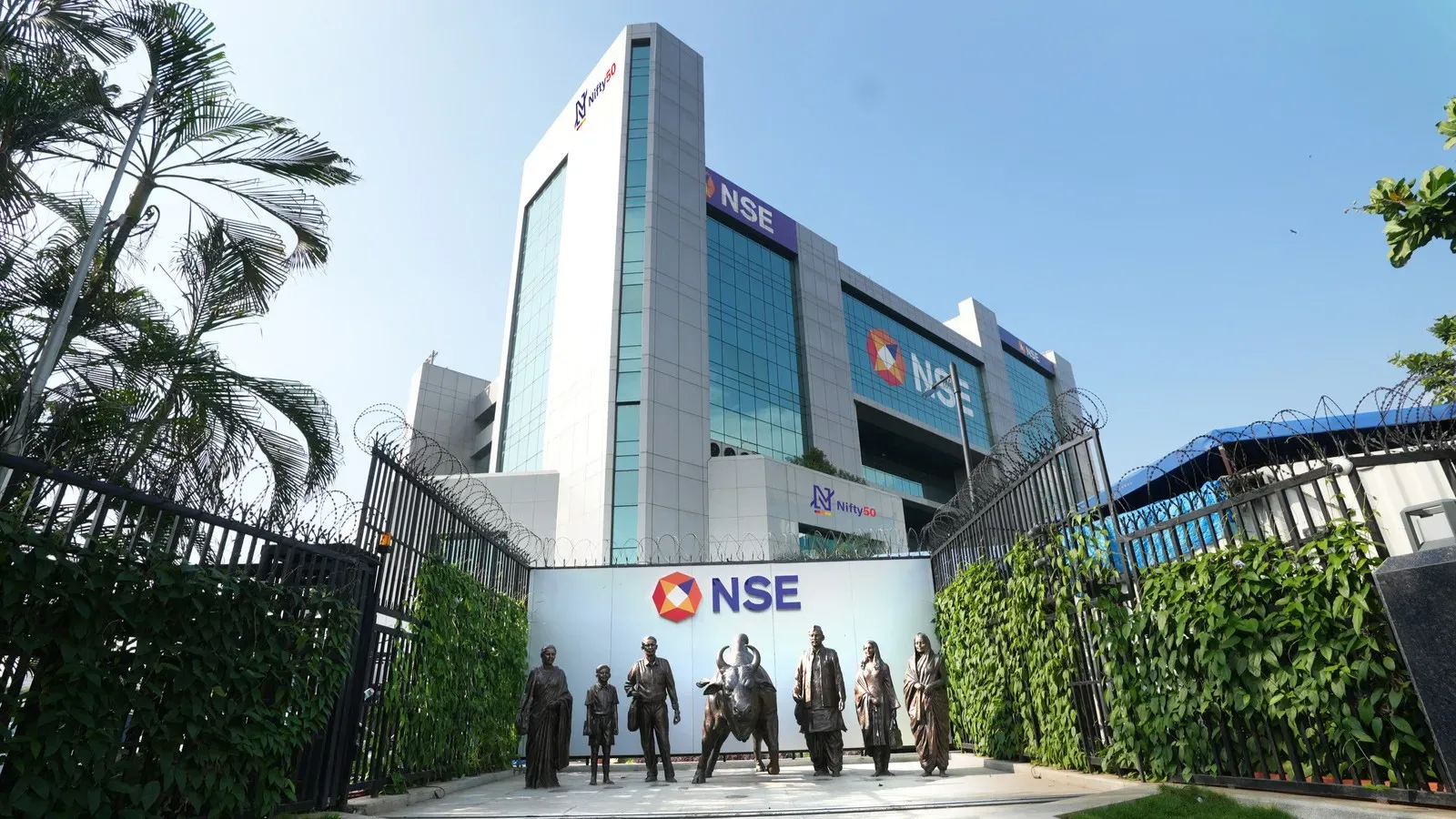
The National Stock Exchange of India (NSE) has received approval from the Reserve Bank of India (RBI) to introduce futures contracts based on corporate bond indices. This new development aims to provide investors with a transparent and standardized tool to manage risks related to corporate bond valuations, including changes due to interest rates and credit spreads.
- What are Corporate Bond Index Futures?
- How will these futures help investors?
- What is the significance of RBI and SEBI approvals?
- When will trading begin?
What are Corporate Bond Index Futures?
Corporate Bond Index Futures are exchange-traded contracts that allow investors to hedge or take positions on the overall movement of corporate bond markets. These contracts track indices that represent a basket of corporate bonds, enabling investors to manage portfolio-level risks efficiently.
How will these futures help investors?
These futures provide a transparent and standardized instrument for managing exposure to corporate bond valuations. They help investors hedge against fluctuations caused by interest rates and credit spreads. Additionally, they support directional trading views on the corporate bond market and improve portfolio management. The product complements existing fixed-income exchange-traded funds (ETFs) and passive debt investment options.
What is the significance of RBI and SEBI approvals?
The introduction of these futures contracts required regulatory approval to ensure they meet prescribed frameworks for investor protection and market integrity. The Securities and Exchange Board of India (SEBI) provided a No Objection Certificate (NOC), followed by the Reserve Bank of India (RBI) granting final approval. These clearances allow NSE to launch the contracts with full regulatory compliance.
When will trading begin?
The NSE has stated that details about contract specifications and the start date for trading will be announced separately. The exchange is currently preparing operationally to introduce these contracts in line with regulatory requirements.
What are experts saying about this development?
Sriram Krishnan, Chief Business Development Officer at NSE, commented that India's corporate bond market has grown significantly, creating opportunities for innovative products. He emphasized that the introduction of Corporate Bond Index Futures is an important step toward building a comprehensive fixed-income ecosystem accessible to both institutional and retail investors. This product aims to bridge the gap between the expanding bond market and the availability of efficient exchange-traded investment and risk-management tools.
How does this fit into NSE's broader initiatives?
Earlier in the month, NSE Indices launched two new indices, Nifty 1000 and Nifty 1000 Equal Weight, which cover a broad range of 1,000 stocks. These indices extend beyond the Nifty Total Market index to include a wider spectrum of the Indian equity market. In September, NSE Indices also introduced the Nifty High Dividend Yield 15, tracking the top 15 firms by dividend yield within the Nifty Total Market. These initiatives show NSE's commitment to expanding investment options and market coverage.
Overall, the introduction of Corporate Bond Index Futures is expected to enhance transparency, increase market participation, and improve efficiency in India's corporate bond market.