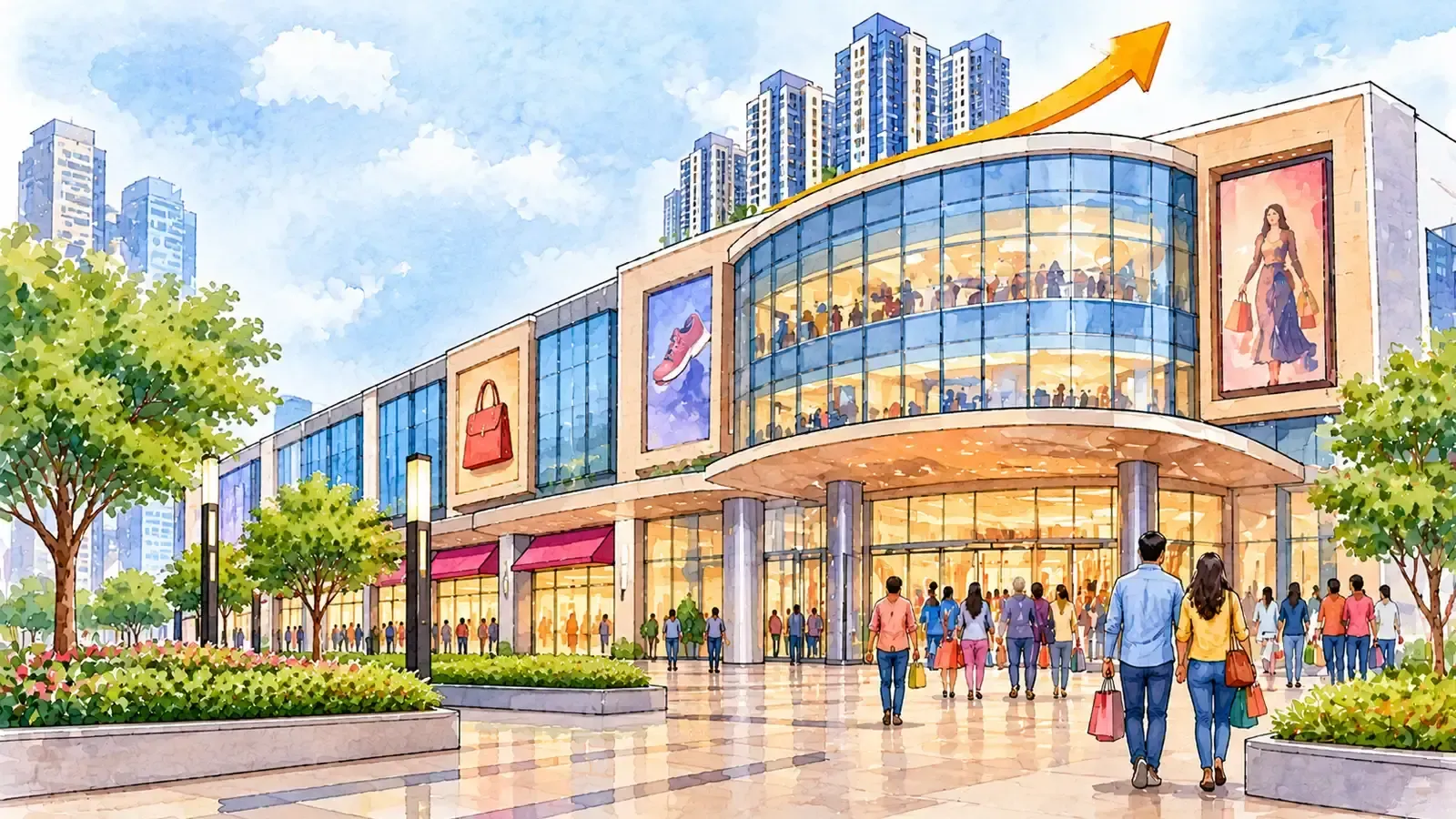
India's malls are currently the hottest assets in retail real estate, attracting more shoppers and retailers than ever before. In 2026, footfalls and spending in malls have increased significantly, making them key destinations for shopping and entertainment.
- Malls offer diverse experiences under one roof, including shopping, dining, entertainment, and socializing.
- Retail leasing in top cities reached a four-year high, with malls accounting for a growing share.
- Limited availability of Grade A mall space is driving occupancy rates and rental growth.
- Developers focus on curated store mixes and live events to keep shoppers engaged.
- Redeveloping underperforming malls presents opportunities for growth.
Why are malls attracting more shoppers despite challenges?
Even with crowded parking lots and busy food courts, malls remain popular because they provide a variety of activities in one place. People visit malls not only to shop but also to eat, watch movies, entertain children, meet friends and family, or escape the heat. This mix of retail and social experiences makes malls attractive weekend destinations.
How is retail leasing performing in India's top cities?
In the first half of 2026, retail leasing in the seven largest cities reached 6.27 million square feet, a 10.5% increase from the previous year. Malls accounted for 43.1% of this leasing, up from 38.9% the year before, showing a 22.4% growth in mall leasing volume. This reflects strong demand from retailers seeking quality space.
What role does Grade A mall space play in this growth?
Grade A malls are the best-located and managed retail centers. They currently have very low vacancy rates, around 4.8%, compared to higher vacancies in lower-grade malls. However, new Grade A mall space has been scarce, with no new additions in recent quarters. This limited supply combined with strong demand is pushing up occupancy and rents.
How are mall developers enhancing shopper experiences?
To compete with online shopping and instant delivery, mall developers are offering more than just stores. They host live music concerts, food festivals, art exhibitions, and cultural events. Large-scale interactive installations and pop-up shops also attract visitors. These efforts help maintain high footfalls and increase shopper spending.
What challenges do lower-grade malls face?
Many Grade B and C malls suffer from high vacancies, weak tenant curation, aging infrastructure, and declining shopper interest. India has about 74 'ghost malls' with vacancy rates above 40%. Redeveloping these malls through re-zoning and introducing experiential retail could revitalize them and create new opportunities.
How are rental incomes and leasing trends evolving?
Rental incomes for established mall operators are rising. For example, Phoenix Mills reported a 15% increase in retail rental income in the September quarter, while DLF saw a 9% rise. Lease renewals often come with rent increases of around 20-25%. This trend is expected to continue as leases expire and new agreements are signed.
What is the outlook for new mall developments?
Developers plan to add approximately 51.1 million square feet of new mall space over the next five years, increasing the total stock to 143.2 million square feet by 2031. Most of this new space is already pre-leased, so occupancy rates are expected to remain high. Revenue growth for mall operators is projected to accelerate, reaching 14-16% in fiscal year 2028.
What must developers focus on to sustain growth?
While expanding mall portfolios, developers need to prioritize quality over quantity. Creating high-quality, experiential retail environments with the right tenant mix is essential to attract shoppers and avoid high vacancy rates. Successful malls combine shopping with unique experiences that online platforms cannot offer.
In summary, India's malls are thriving due to strong shopper demand, limited quality retail space, and innovative developer strategies. Maintaining this momentum will require continued focus on enhancing the mall experience and carefully managing retail space.