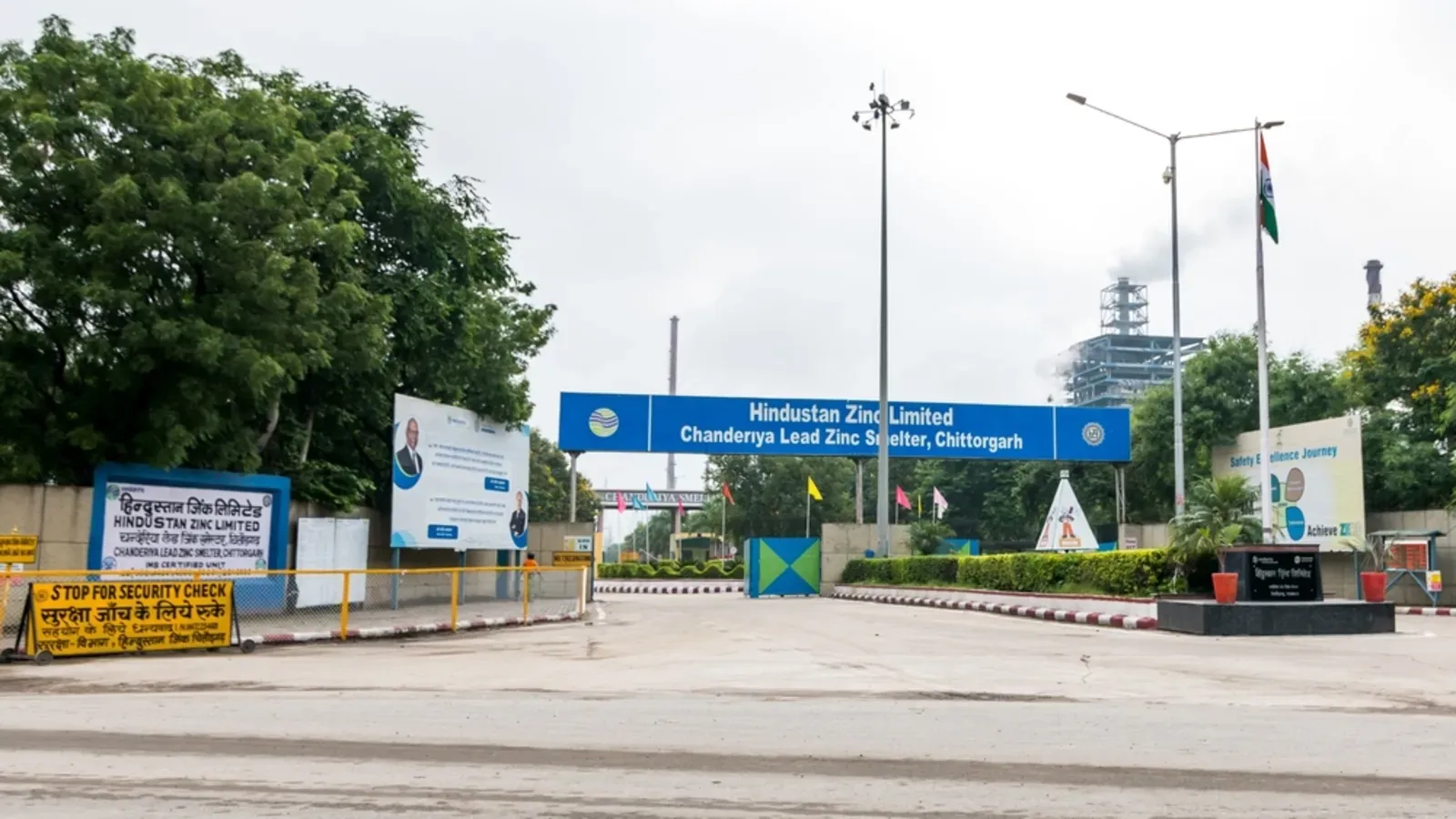
Hindustan Zinc, the world’s largest integrated zinc producer, partnered with the Indian Institute of Technology Madras (IIT Madras) to unveil an electric three-wheeler prototype. This vehicle features a dual-battery system, including a zinc-air battery that contributes about 10% of the total energy requirements. The zinc-air battery acts as a range extender, supporting electric mobility applications.
- Hindustan Zinc is part of the Vedanta Group and leads in zinc production globally.
- The electric three-wheeler uses a dual-battery configuration to improve range and efficiency.
- The zinc-air battery provides approximately 10% of the vehicle's energy needs.
- This collaboration highlights innovation in sustainable electric vehicle technology.
What is the significance of the zinc-air battery in the prototype?
The zinc-air battery in the electric three-wheeler prototype serves as a range extender. It contributes around 10% of the vehicle's total energy requirements, helping to increase the driving range without adding significant weight or cost. Zinc-air batteries are known for their high energy density and environmental friendliness, making them a promising option for electric mobility.
How does the dual-battery system work in the electric vehicle?
The prototype uses two types of batteries: a primary battery that powers the vehicle and a zinc-air battery that acts as a supplementary energy source. This dual-battery configuration allows the vehicle to maintain longer driving distances by efficiently managing power supply and reducing reliance on frequent charging.
Why is this collaboration between Hindustan Zinc and IIT Madras important?
This partnership combines industrial expertise with academic research to develop innovative solutions for electric vehicles. Hindustan Zinc brings its knowledge of zinc production, while IIT Madras contributes research capabilities in battery technology. Together, they aim to advance sustainable transportation and promote the use of zinc-based batteries in electric mobility.
What impact could this prototype have on electric mobility?
The electric three-wheeler prototype demonstrates the potential of zinc-air batteries to improve electric vehicle range and efficiency. If adopted widely, this technology could reduce dependence on traditional lithium-ion batteries, lower costs, and support cleaner transportation options. It represents a step forward in making electric vehicles more practical and sustainable.
Frequently Asked Questions
Q: What is a zinc-air battery?
A: A zinc-air battery generates electricity by oxidizing zinc with oxygen from the air. It offers high energy density and is environmentally friendly, making it suitable for electric vehicle applications.
Q: How much did Hindustan Zinc's shares increase after the announcement?
A: Shares of Hindustan Zinc rose over 3% following the unveiling of the electric three-wheeler prototype.
Q: What role does IIT Madras play in this project?
A: IIT Madras collaborated with Hindustan Zinc to develop the zinc-air battery and integrate it into the electric three-wheeler prototype, contributing research and technical expertise.
Q: Can zinc-air batteries replace lithium-ion batteries in electric vehicles?
A: Zinc-air batteries have advantages like higher energy density and lower cost, but they currently serve as range extenders rather than full replacements. Ongoing research aims to improve their performance for broader use.