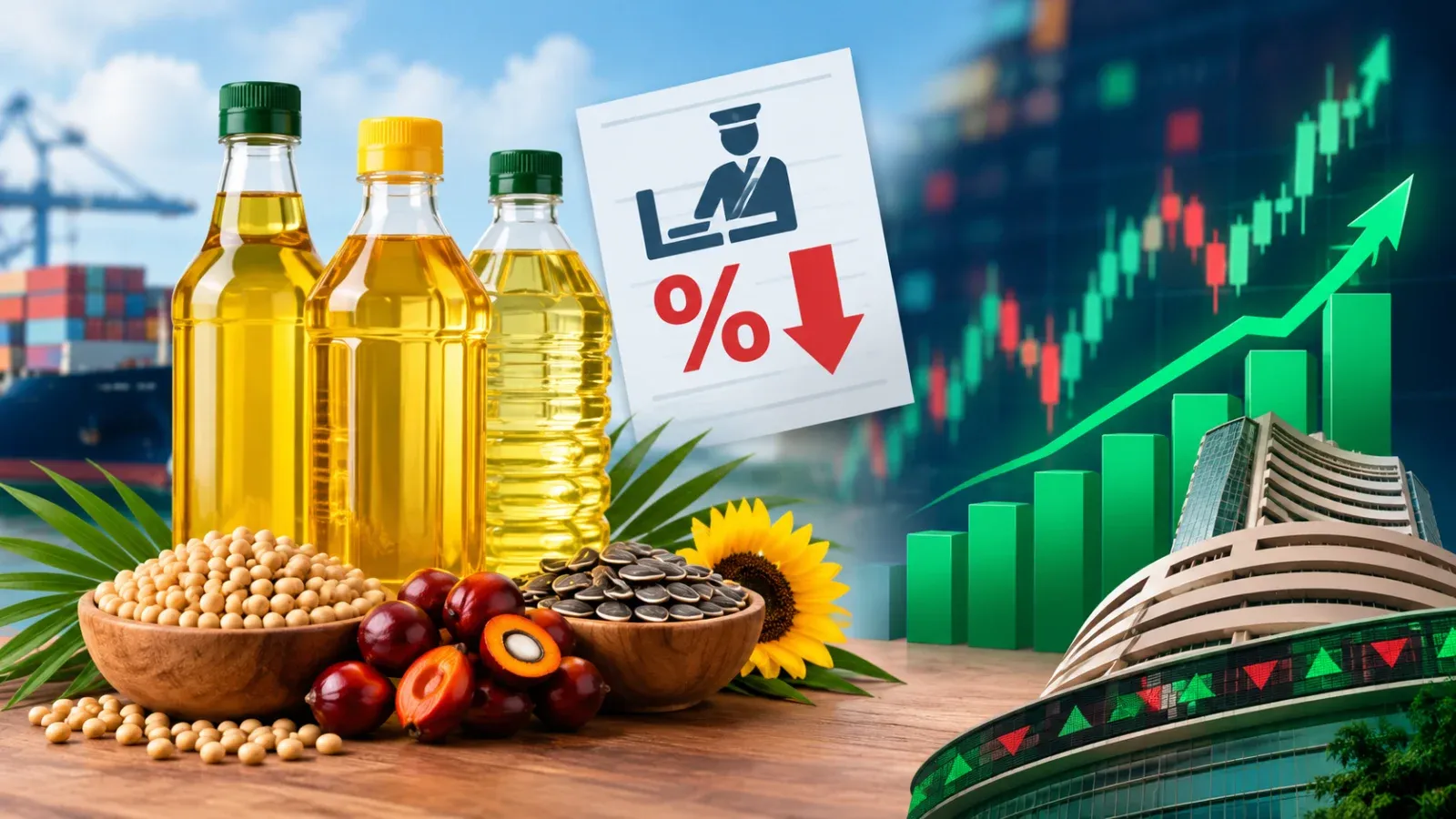
The Nifty FMCG index has risen sharply by more than 17% in just one month, driven by several positive developments in the sector. Key factors include a significant drop in global palm oil prices, a decline in crude oil costs, strategic price increases by FMCG companies, and signs of demand recovery, especially in rural areas. This rally has brought major consumer goods companies such as Hindustan Unilever (HUL), Dabur India, Godrej Consumer Products, ITC, Marico, and Britannia Industries back into focus after a period of underperformance.
- Global palm oil prices have fallen due to rising inventories in Malaysia and weaker export demand.
- Crude oil prices have softened from recent highs, reducing input costs for FMCG firms.
- Companies have raised product prices to protect their profit margins.
- Consumption trends, particularly in rural markets, are improving.
- FMCG companies are benefiting from cost savings and better pricing strategies.
- Investor interest is returning to FMCG stocks amid expectations of margin recovery.
- Strong quarterly earnings support optimism about the sector's future performance.
Why Have Global Palm Oil Prices Fallen?
Global palm oil prices have dropped sharply due to a build-up of inventories in Malaysia, the world's second-largest palm oil producer. Increased production and weaker export demand have caused a supply glut. For example, Malaysia's palm oil stocks rose by 3.15% month-on-month to 3.62 million tonnes in October 2026, with crude palm oil stocks increasing by 7.46% during the same period. This oversupply has pushed prices down by about 18% since September.
How Does This Affect Indian FMCG Companies?
India imports a large amount of palm oil, which is a key raw material for many FMCG products such as edible goods, soaps, and personal care items. Companies like HUL and Godrej Consumer Products use palm oil and its derivatives extensively. Lower palm oil prices reduce procurement costs, which can improve gross margins. However, the actual benefit depends on contracts, inventory cycles, and whether cost savings are passed on to consumers.
What Role Do Crude Oil Prices Play?
Crude oil is important not only as an energy source but also as a feedstock for petrochemicals used in FMCG products. These include surfactants, solvents, and plastic packaging materials. A decline in crude oil prices lowers raw material costs for FMCG companies, especially those with large home and personal care segments. Brent crude prices fell below $88 per barrel in late November 2026 before rebounding to around $94, indicating some relief in input costs.
How Are FMCG Companies Managing Costs Through Pricing?
To offset rising raw material costs, many FMCG companies have increased product prices. For instance, HUL raised prices on detergent brands like Surf Excel and Rin by up to 11%. Dabur India is considering similar calibrated price hikes. ITC also increased cigarette prices by about 8% recently. These price adjustments help protect profit margins even as commodity prices begin to ease.
Is Consumer Demand Improving?
Consumption trends are showing positive signs, especially in rural areas. According to a report from October 2026, India's FMCG market grew by 14.1% year-on-year, with rural markets leading at 16.1% growth. Factors contributing to this include festive demand, better retail execution, wider product availability, and price increases. Volume growth is also recovering after several months of stagnation, which is crucial for sustaining revenue growth.
Why Are Investors Returning to FMCG Stocks?
FMCG companies are viewed as defensive investments because they provide everyday essentials that consumers buy regularly. After a period of weak performance due to high commodity prices and margin pressures, investors are now optimistic about earnings recovery. Foreign investor inflows into Indian equities have also increased, boosting demand for large-cap FMCG stocks.
What Do Recent Earnings Reports Indicate?
FMCG companies reported strong revenue growth in the September 2026 quarter, driven by higher sales volumes and price hikes. Despite input cost pressures, many firms achieved double-digit profit growth through effective cost management. However, ITC's profits declined due to falling cigarette sales, which affected the overall sector results. Excluding ITC, the sector showed healthy earnings momentum.
What Are the Challenges Ahead?
The sustainability of the FMCG rally depends on whether favorable factors translate into continued earnings growth. Investors will watch global palm oil and crude oil prices, raw material costs, and the ability of companies to maintain price increases without hurting demand. Volume growth will be critical, as higher prices could reduce consumer purchases. The upcoming quarterly earnings will provide more clarity on the sector's outlook.
Note: This article is for informational purposes only and does not constitute investment advice. Readers should consult a financial advisor before making investment decisions.