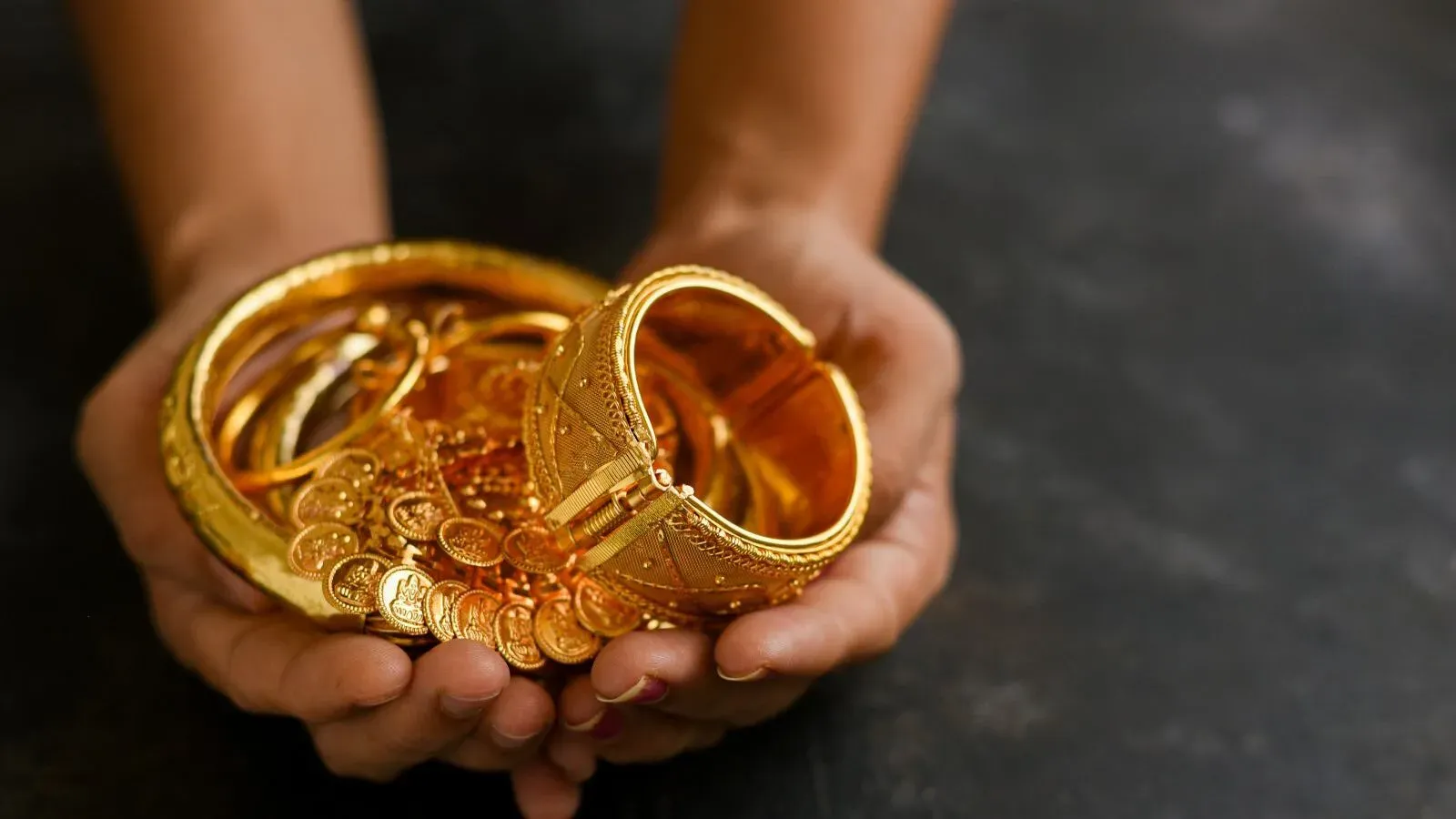
Gold and silver prices dropped significantly on November 25, 2026, continuing their downward trend after a brief pause earlier in the week. Gold fell by more than 2%, while silver experienced a sharper decline of nearly 6%. These changes reflect both global market conditions and domestic factors influencing the precious metals market.
- Gold prices in Delhi were ₹12,473 per gram for 24 karat, ₹11,435 for 22 karat, and ₹9,359 for 18 karat.
- Silver prices fell by 5.71% to ₹1,65,000 per kilogram.
- Global factors such as a stronger US dollar and higher US Treasury yields contributed to the decline.
- Domestic profit booking after recent price gains also influenced the fall.
- Upcoming US economic data and India's wedding season may affect future prices.
Why Did Gold and Silver Prices Fall on November 25?
The decline in gold and silver prices on November 25 was influenced by several global and domestic factors. Internationally, a stronger US dollar and rising US Treasury yields made non-yielding assets like gold and silver less attractive to investors. Additionally, hawkish signals from Federal Reserve officials suggested possible future interest rate hikes, increasing the opportunity cost of holding precious metals.
Domestically, investors likely booked profits after gold prices had risen over the previous two days. This profit-taking contributed to the downward pressure on prices in the Indian market.
What Are the Current Prices of Gold and Silver in India?
In Delhi, the price of 24 karat gold stood at ₹12,473 per gram, 22 karat gold at ₹11,435 per gram, and 18 karat gold at ₹9,359 per gram. Cities in Gujarat, such as Vadodara and Ahmedabad, reported slightly higher prices, with 24 karat gold at ₹12,463 per gram, 22 karat at ₹11,425, and 18 karat at ₹9,349 per gram.
Other major cities including Mumbai, Kolkata, Bangalore, Hyderabad, and Kerala had gold prices slightly lower than Delhi and Gujarat. For example, 24 karat gold prices hovered around ₹12,458 per gram, 22 karat at ₹11,420, and 18 karat at ₹9,344 per gram.
Silver prices dropped by 5.71% to ₹1,65,000 per kilogram after remaining stable for five days.
What Global Events Could Affect Future Prices?
The week ahead is important for gold and silver prices due to upcoming US economic data releases. The US Bureau of Economic Analysis is scheduled to release the October Personal Consumption Expenditures (PCE) inflation report, which is a key inflation indicator. A higher-than-expected reading could increase expectations of further Federal Reserve rate hikes, which typically lowers demand for gold and silver.
Additionally, the US Q3 2026 GDP figures are expected to be revised upward from the initial 3.4% estimate. Strong economic data may keep the US dollar and Treasury yields high, further reducing the appeal of precious metals to investors worldwide.
How Does the Domestic Market Influence Prices?
In India, the ongoing winter wedding season usually supports steady demand for physical gold and silver. This demand can help cushion sharp price declines despite global pressures. However, actual prices can vary depending on local jewellers, investor sentiment, and supply-demand dynamics in different cities.
Frequently Asked Questions
Q: Why do gold and silver prices fall when the US dollar strengthens?
A: A stronger US dollar makes gold and silver more expensive in other currencies, reducing demand. It also increases the opportunity cost of holding non-yielding assets like precious metals.
Q: How do US Treasury yields affect gold and silver prices?
A: Higher Treasury yields offer better returns on government bonds, making gold and silver less attractive since they do not pay interest or dividends.
Q: Can domestic events in India impact gold prices?
A: Yes, events like the wedding season increase physical demand for gold, which can support prices even when global factors push prices down.