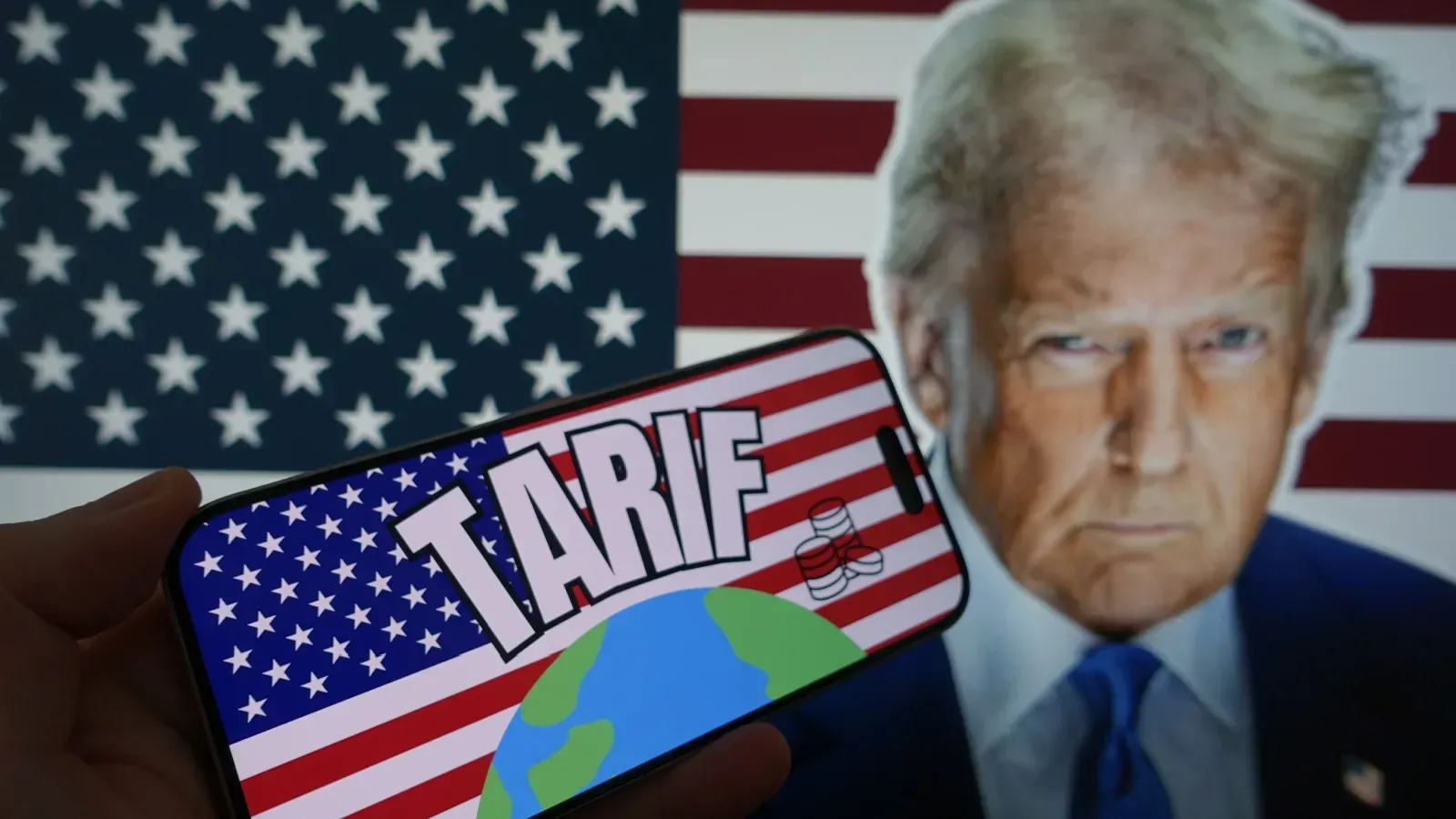
The United States is preparing to increase tariffs on China, India, and 14 other countries following an investigation into unfair trade practices. The US Trade Representative (USTR), Jamieson Greer, will soon announce the results of this probe, which was launched on March 11 under Section 301 of the 1974 trade law. This law allows the US president to impose tariffs if unfair trade practices are found.
- The US is targeting 16 economies for tariff hikes due to excess industrial production.
- The investigation found that government subsidies led to overproduction, harming US companies.
- Tariffs will be added on top of existing rates, but exact amounts are not yet confirmed.
- India and the US are currently negotiating a bilateral trade agreement amid these developments.
What is the reason behind the US tariff increase?
The US government believes that certain countries, including India and China, have supported excessive industrial production through subsidies and other government aid. This overproduction has allowed these countries to export large volumes of cheaper goods, which undermines American manufacturers and businesses.
What is Section 301 of the 1974 trade law?
Section 301 is a provision in US trade law that permits the president to impose tariffs or other trade restrictions if investigations find that foreign countries are engaging in unfair trade practices. The current investigation under this section focuses on 16 economies suspected of such practices.
Which countries are affected by this investigation?
The investigation targets 16 countries, including major economies like India and China. The full list has not been publicly detailed, but these countries are believed to have benefited from government subsidies that led to excess manufacturing capacity.
How will these tariffs affect India-US trade relations?
India and the US are in discussions to negotiate an interim bilateral trade agreement. Earlier, a framework was finalized in February but was sent back for further talks after the US Supreme Court struck down certain tariffs imposed under the International Emergency Economic Powers Act last year. India is seeking lower tariff rates compared to other competing countries such as Bangladesh, Vietnam, and Cambodia.
What about the forced labor investigation?
In July, the USTR completed a separate investigation into forced labor in foreign supply chains. This investigation justified imposing tariffs between 10 and 12.5 percent on many trading partners, including all 16 countries involved in the excess manufacturing capacity probe. These tariffs are expected to be in addition to the new tariff hikes.
What are the next steps?
The USTR will officially announce the findings and tariff plans soon. While the exact tariff rates have not been disclosed, they will be added on top of current tariffs. The US government aims to protect domestic industries from unfair competition caused by subsidized overproduction abroad.