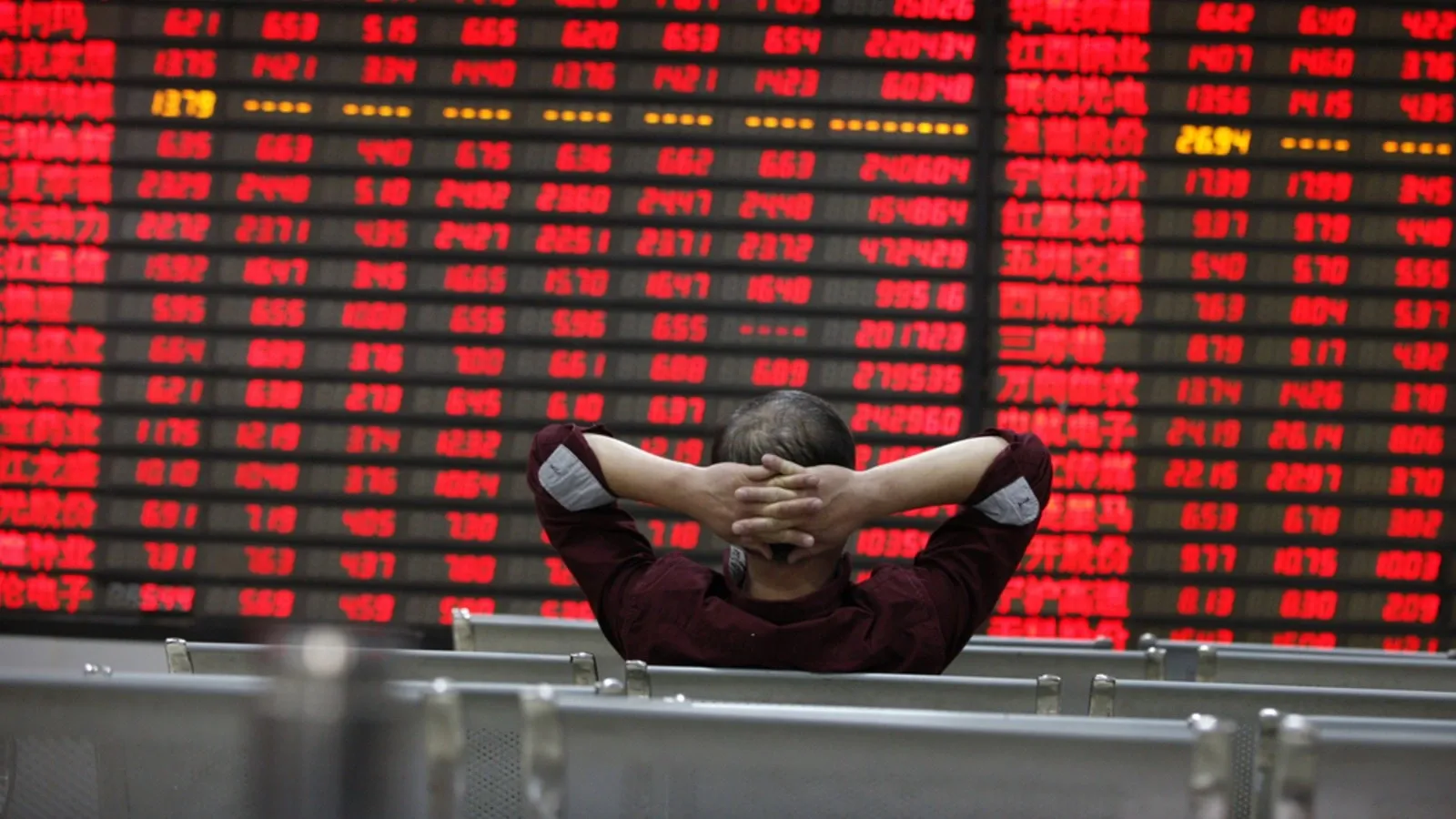
US stock markets opened lower on Tuesday, reversing the partial gains made on Monday. The NASDAQ 100 dropped more than 2%, the S&P 500 opened 1.3% lower, and the Dow Jones fell by 400 points. This decline was driven by investor concerns over possible tariff increases and profit-taking after recent strong rallies in tech stocks.
- NASDAQ 100 fell over 2%.
- Nvidia shares dropped 6% after a recent 32% surge.
- President Trump's tariff threat on China and other countries affected investor sentiment.
- Anthropic shares fell 8%, trading below their issue price.
- Other chipmakers like AMD, Micron, Broadcom, and Intel also declined up to 9%.
Why did US stock markets reverse gains on Tuesday?
Markets reversed gains due to profit-taking by investors after a strong bounce back on Monday. Additionally, media reports suggested that President Trump might raise tariffs on China and a dozen other countries. This news increased concerns about trade tensions, which negatively affected investor sentiment.
How did Nvidia shares perform and why?
Nvidia shares fell 6% on Tuesday after rising 32% on Monday. The initial optimism around Nvidia's stock faded as investors took profits. Furthermore, the company is under scrutiny by the Securities and Exchange Commission (SEC), which added to investor caution. Nvidia's founder and president, Jensen Huang, rejoined the company on Monday, a move supported by the board of directors as beneficial for stakeholders.
What happened to Anthropic shares after their listing?
Anthropic shares dropped 8% to trade at $80 per share, erasing all the post-listing premium. The shares were initially listed at $100 per share, above the issue price of $83 per share. This decline reflects investor uncertainty about the stock's valuation after the initial public offering.
How did other chipmakers fare during the market decline?
Shares of other chipmakers such as AMD, Micron Technology, Broadcom, and Intel Corporation fell up to 9%. These declines were linked to renewed concerns about the sustainability of the artificial intelligence (AI) theme, which had previously driven strong gains in technology stocks.
What are the key factors influencing investor sentiment?
Investor sentiment was influenced by several factors including the threat of increased tariffs by President Trump, profit-taking after recent stock rallies, and regulatory scrutiny of major tech companies. These elements combined to create a cautious market environment on Tuesday.
Frequently Asked Questions
Q: What caused the NASDAQ 100 to drop over 2%?
A: The drop was caused by profit-taking after recent gains and concerns about potential tariff increases by the US government.
Q: Why did Nvidia shares fall despite recent gains?
A: Nvidia shares fell due to profit-taking and ongoing regulatory scrutiny by the SEC, which made investors cautious.
Q: What is the significance of Jensen Huang rejoining Nvidia?
A: Jensen Huang's return as founder and president was seen as positive by Nvidia's board, aiming to strengthen leadership and reassure investors.
Q: How did trade tensions affect the stock market?
A: Reports of possible tariff increases raised concerns about global trade, leading to negative investor sentiment and market declines.