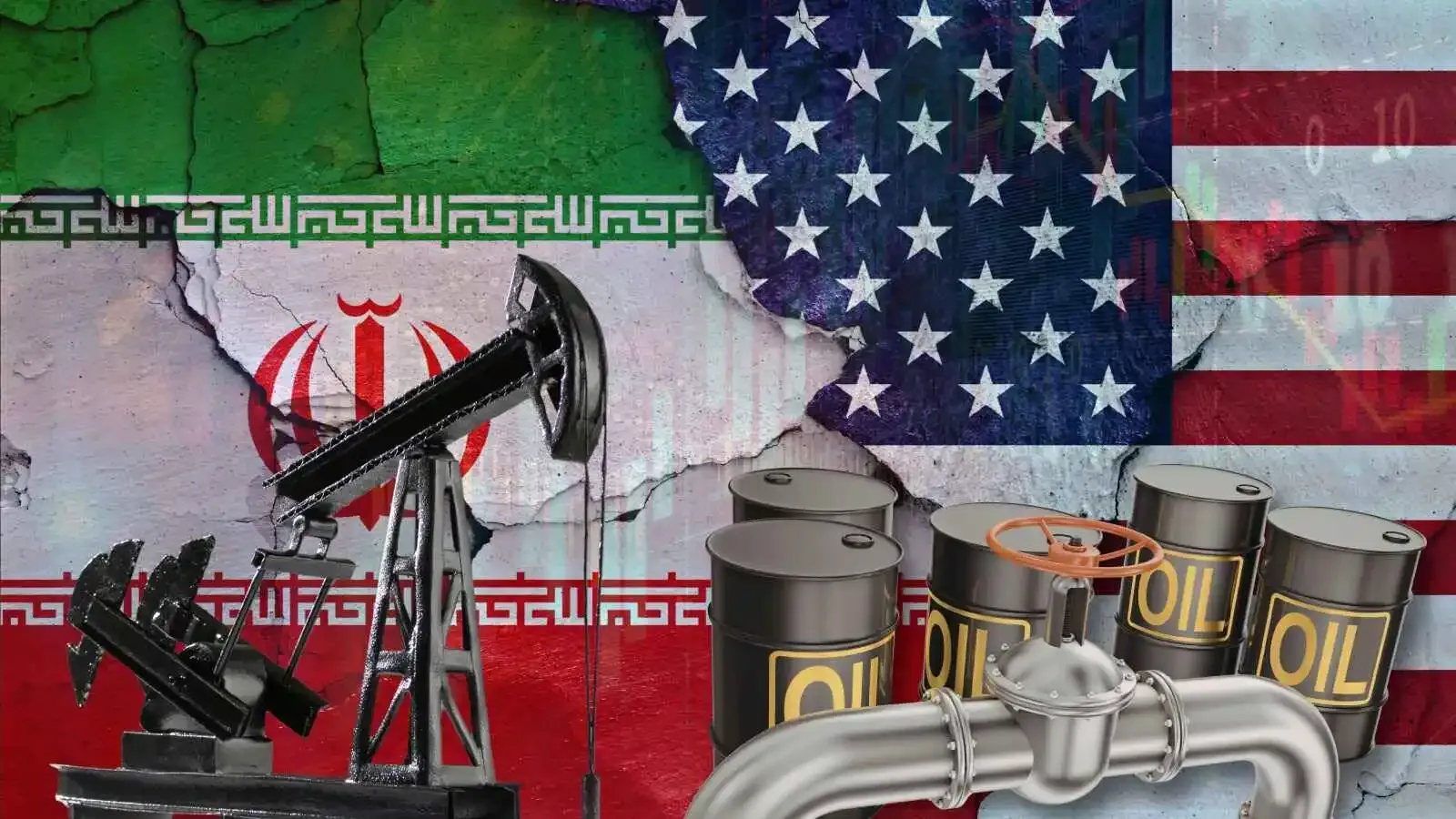
Crude oil prices fell sharply in November, dropping 23% and marking their worst monthly decline since March 2020. Brent crude prices fell 3% on Tuesday evening, trading near $86 per barrel, while West Texas Intermediate (WTI) crude dipped below $80 per barrel for the first time in three months. This decline reflects growing concerns about a potential oversupply in the market despite ongoing geopolitical tensions in the Middle East.
- Crude oil prices dropped 23% in November, the largest monthly fall since March 2020.
- Brent crude prices fell 3% to near $86 per barrel on Tuesday.
- WTI crude prices fell below $80 per barrel for the first time in three months.
- Supply glut worries increased due to expected production rises from OPEC and record imports from Russia by India and China.
- Geopolitical tensions persist, including attacks on oil tankers and conflicts in the Middle East.
Why did crude oil prices drop so significantly in November?
The main reason for the sharp decline in crude oil prices is the growing concern over a supply glut. Despite tensions in the Middle East, such as attacks on oil tankers near the Strait of Hormuz and ongoing conflicts involving Houthi rebels in Yemen, oil production in the OPEC region is expected to increase by the end of the year. This increase in supply is putting downward pressure on prices.
How have geopolitical events affected crude oil supply?
Geopolitical tensions continue to influence crude oil markets. Iran’s Revolutionary Guard reported that three illegal oil tankers caught fire after hitting mines, and attacks by Houthi rebels on Saudi Arabia persist. However, these disruptions have not been enough to offset the rising production levels in the region. The supply from the Strait of Hormuz remains under pressure, but overall production has already surpassed pre-war levels.
What role do India and China play in the crude oil market?
India and China are major importers of crude oil and have increased their imports from Russia due to sanctions waivers. In 2026, both countries are on track to import record amounts of Russian oil. Seaborne shipments to these two countries averaged 3.4 million barrels per day through mid-November, which is 530,000 barrels per day higher than the same period last year. India alone imported 1.99 million barrels per day through early November, up significantly from the previous year.
What is the outlook for crude oil prices moving forward?
Investors and traders are closely watching diplomatic efforts between the United States and Iran. Any positive developments could ease tensions in the Middle East and increase oil supply, which would likely put further downward pressure on prices. Additionally, while Russian oil imports have increased this year, they are expected to decrease in 2027 if Middle Eastern supply returns to full capacity. At the Multi Commodity Exchange (MCX), crude oil prices closed 1.62% lower at ₹7,570 per barrel on Tuesday, reflecting these market concerns.
Frequently Asked Questions
Q: What caused the 23% drop in crude oil prices in November?
A: The drop was mainly due to concerns about a supply glut as OPEC production is expected to rise and record imports from Russia by India and China increased overall supply, outweighing geopolitical tensions.
Q: How did geopolitical tensions affect oil prices?
A: Attacks on oil tankers and conflicts in the Middle East created supply concerns, but increased production in the region limited their impact on prices.
Q: Why are India and China importing more Russian oil?
A: Sanctions waivers allowed India and China to increase imports from Russia, helping fill the supply gap caused by Middle East tensions.
Q: What might happen to oil prices in 2027?
A: Oil prices may face further pressure if Middle Eastern supply returns to normal and Russian imports decrease, depending on diplomatic developments.