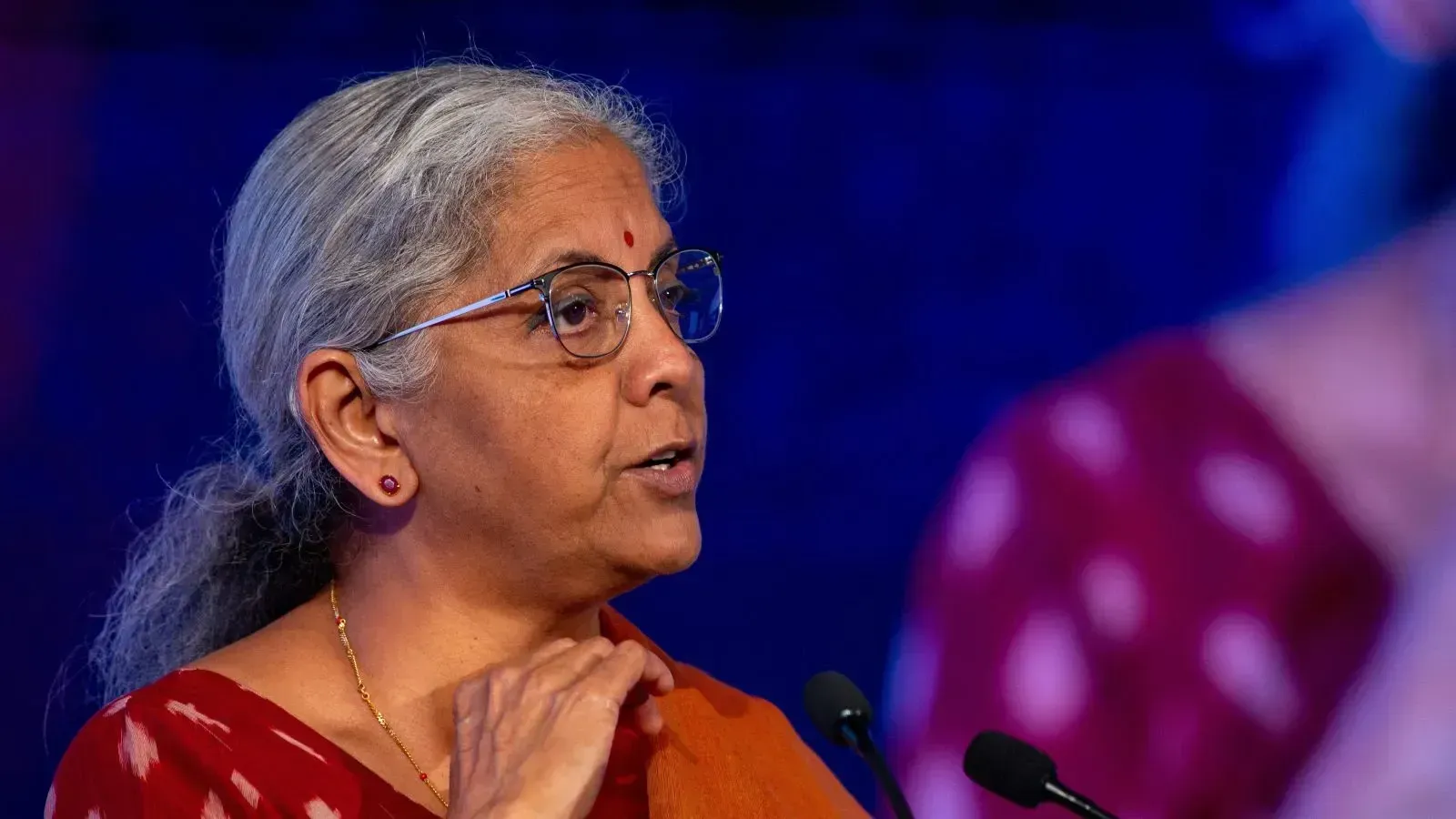
India has successfully reduced poverty by shifting its focus from cash transfers to improving access to basic services. Finance Minister Nirmala Sitharaman explained that providing essential services such as housing, sanitation, drinking water, and healthcare has helped nearly 50 crore people move out of poverty over the past decade.
- Nearly 496 million Indians moved out of poverty between 2011 and 2023.
- The poverty rate fell from 57.7% to 16.1% at the $4.20-a-day income level.
- Extreme poverty dropped from 27.1% to 2.6% at the $3-a-day level.
- Government programs like Swachh Bharat Mission and Jal Jeevan Mission improved access to toilets and tap water.
- Financial inclusion through Jan Dhan accounts and Mudra loans supported entrepreneurship.
How did India reduce poverty over the past decade?
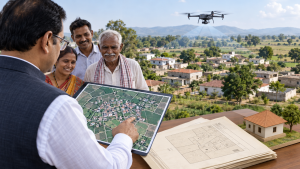
India's approach focused on addressing basic deprivations rather than only providing cash. The government targeted issues like lack of housing, sanitation, clean cooking fuel, drinking water, and healthcare. This strategy helped reduce household expenses and prevented vulnerable families from falling back into poverty.
What role did government programs play in poverty reduction?
Several government initiatives contributed significantly. The Swachh Bharat Mission increased access to toilets, which helped reduce infant mortality. The Jal Jeevan Mission expanded rural tap water connections from 3 crore households in 2019 to nearly 16 crore. The Ujjwala Yojana provided clean cooking fuel, and the PM Awas Yojana helped provide pucca houses. Ayushman Bharat offered financial protection against hospitalization costs.
How did financial inclusion support poverty reduction?
Financial inclusion played a key role by enabling direct benefit transfers and access to credit. Over 59 crore Jan Dhan accounts allowed government benefits to reach recipients without intermediaries. The Pradhan Mantri Mudra Yojana sanctioned 60 crore loans, with about two-thirds going to women entrepreneurs. These loans helped many restart and expand businesses, creating jobs and increasing incomes.
What does the World Bank report say about poverty trends?
The World Bank's October 2026 Poverty and Equity Brief reported that the share of Indians living below the $4.20-a-day poverty line dropped from 57.7% in 2011 to 16.1% in 2023. Extreme poverty at the $3-a-day level fell from 27.1% to 2.6%. The report highlighted that poverty remains higher in rural areas (19.3%) compared to urban areas (8.6%). A region from Uttar Pradesh to West Bengal accounts for about 57% of the poor population.
What are the next steps for poverty reduction in India?
Finance Minister Sitharaman emphasized that future efforts will focus on helping those who have escaped poverty to continue progressing and avoid falling back. She stressed the importance of expanding access to finance, markets, and the digital economy to support sustainable growth and livelihoods.
Frequently Asked Questions
Q: How many people moved out of poverty in India between 2011 and 2023?
A: Approximately 496 million people moved out of poverty during this period.
Q: Which government programs helped improve basic services?
A: Programs like Swachh Bharat Mission, Jal Jeevan Mission, Ujjwala Yojana, PM Awas Yojana, and Ayushman Bharat played key roles.
Q: How did financial inclusion help reduce poverty?
A: Financial inclusion through Jan Dhan accounts and Mudra loans enabled direct benefit transfers and supported entrepreneurship, especially among women.
Q: What challenges remain in reducing poverty further?
A: Poverty remains concentrated among households with lower education, fewer assets, and limited access to stable employment, especially in rural areas.