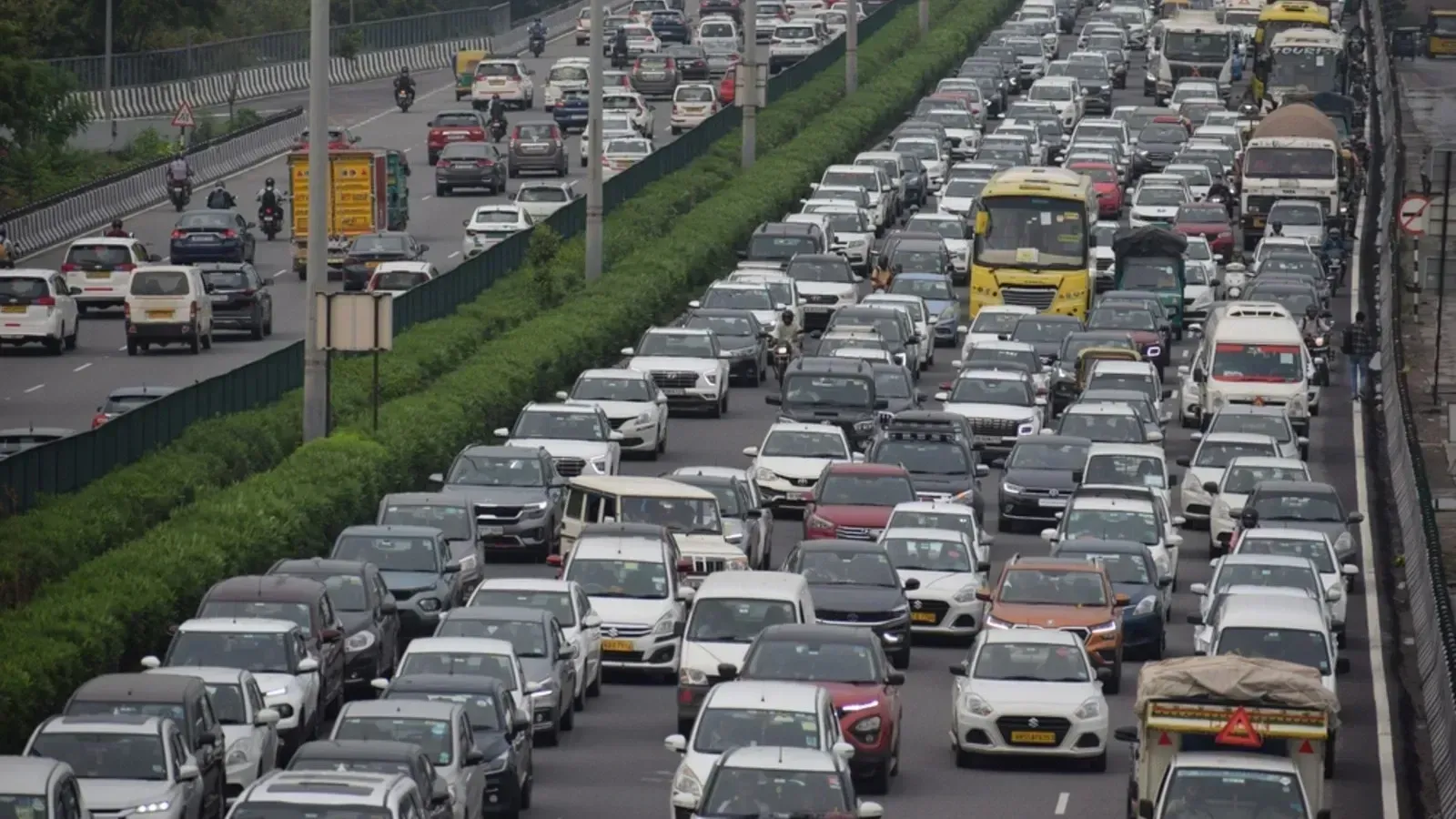
India's automobile retail sales hit a record high of 55.25 lakh units during the 42-day festive season from October 11 to November 21, 2026. This growth was driven by a significant surge in electric vehicle (EV) sales, which crossed the five-lakh mark for the first time. The Federation of Automobile Dealers Associations (FADA) reported these figures, highlighting a 2.21% increase compared to the previous year despite a strong base in 2025.
- Overall vehicle retail sales reached 55,25,490 units, up from 54,05,956 units in the same period last year.
- Electric vehicle sales surged 52.62% to 5,09,667 units.
- Electric two-wheelers rose 61.1% to 3,30,846 units.
- Electric passenger vehicles increased 72.91% to 52,104 units.
- Electric commercial vehicles more than doubled, growing 154.56% to 6,387 units.
- Passenger vehicle sales declined 7.16% to 7.49 lakh units compared to last year.
Why Did Auto Retail Sales Reach a Record High?
The 2026 festive season saw a record in auto retail sales due to sustained demand and government reforms. FADA President Sai Giridhar noted that the demand boost from the Government's GST 2.0 reforms not only held steady but deepened. Compared to the 2024 festive season, vehicle retail sales increased by nearly 24%, showing strong growth over two years.
How Did Electric Vehicle Sales Perform During the Festive Season?
Electric vehicle sales were the standout performers, crossing five lakh units for the first time during the festive period. The total EV sales rose by 52.62% year-on-year to 5,09,667 units. Electric two-wheelers led the growth with a 61.1% increase, followed by electric passenger vehicles at 72.91%. Electric commercial vehicles more than doubled, rising 154.56%, while electric three-wheelers grew by 25.45%.
What Happened to Other Vehicle Segments?
Two-wheeler retail sales increased by 3.67% to 43.13 lakh units, and commercial vehicle sales rose 7.13% to 1.56 lakh units. Three-wheeler sales grew by 5.32% to 1.94 lakh units, and tractor sales were up 2.24% at 1.04 lakh units. However, passenger vehicle sales declined by 7.16% to 7.49 lakh units compared to the previous year, which had seen an exceptional GST-driven surge. Despite this, passenger vehicle sales were still 16.43% higher than in the 2024 festive season.
How Did the Festive Season Progress?
The festive season began slowly during Navratri, with passenger vehicle sales down more than 18%. However, demand picked up significantly around Dhanteras and Diwali, reducing the deficit by more than half by the end of the period. Giridhar emphasized that India's festive spirit played a key role in driving sales when it mattered most.
What Period Does the Festive Season Cover?
FADA considers the festive period from the first day of Navratri to 15 days after Dhanteras. This extended period accounts for the time lag in vehicle registrations, providing a comprehensive view of festive season sales.
Source: Federation of Automobile Dealers Associations (FADA) data released November 23, 2026.