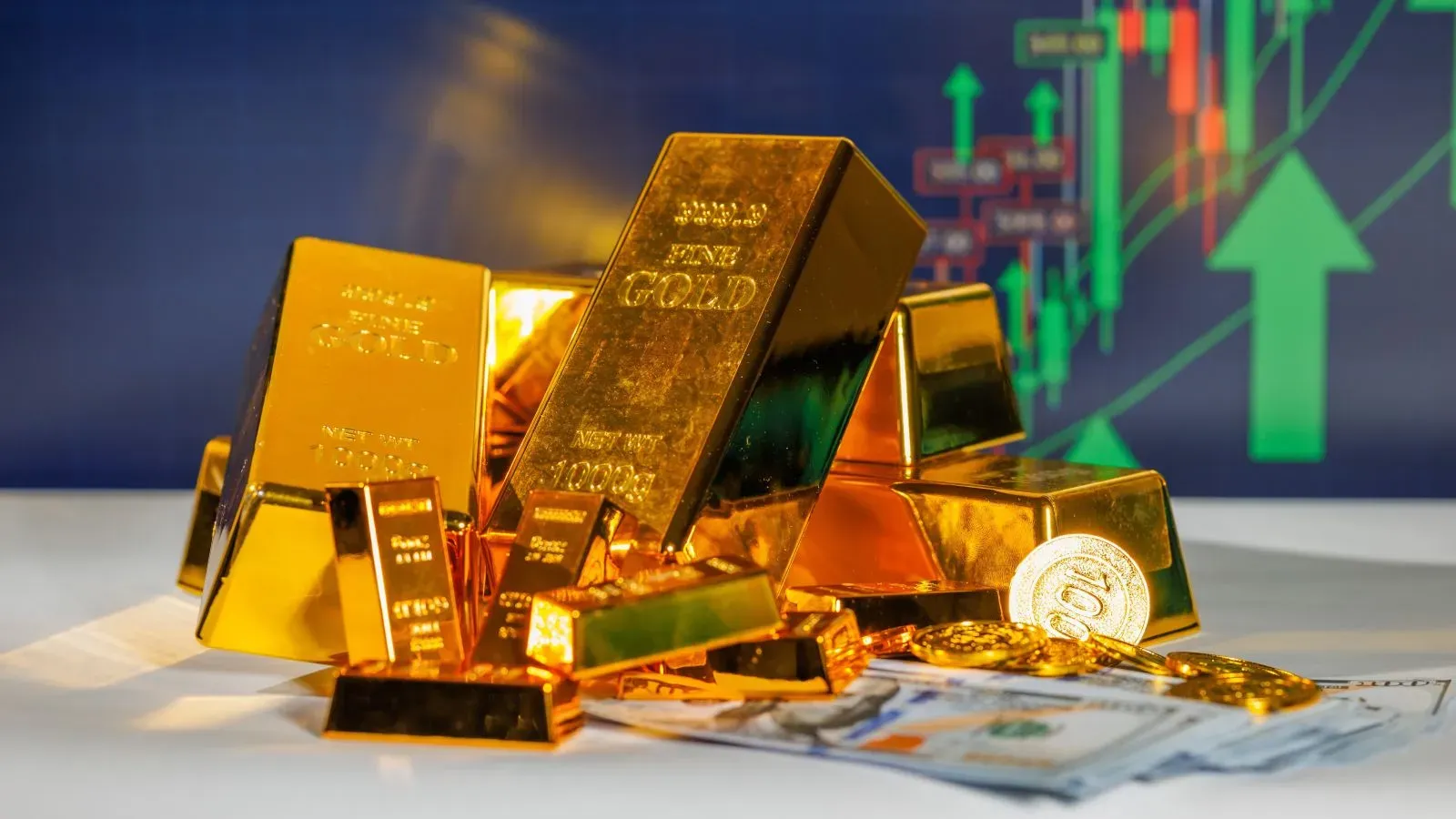
Gold and silver prices on the Multi-Commodity Exchange (MCX) rose significantly on November 23, ending their recent losing streaks. Gold futures for December delivery increased by 2.5%, reaching an intraday high of ₹1,24,894 per 10 grams. Silver futures also surged by 2.6%, hitting an intraday high of ₹1,51,669 per kilogram. This rise was influenced by several key market factors, including a pullback in the US dollar and US Treasury yields, as well as selling pressure in equity markets.
- Gold prices rose 2.5% to ₹1,24,894 per 10 grams on November 23.
- Silver prices increased 2.6% to ₹1,51,669 per kilogram on the same day.
- The US dollar and Treasury yields weakened, boosting demand for precious metals.
- Equity market selling pressure encouraged investors to move towards gold and silver.
Why did gold prices rise after a five-day losing streak?
Gold prices on MCX had been falling for five consecutive days before November 23. The rise on this day was mainly due to a weaker US dollar and lower US Treasury yields. When the dollar weakens, gold becomes cheaper for holders of other currencies, increasing demand. Additionally, selling pressure in equity markets made investors seek safer assets like gold, which is often considered a hedge against market uncertainty.
What caused the increase in silver prices?
Silver prices also reversed their four-day losing trend on November 23. Similar to gold, the decline in the US dollar and Treasury yields made silver more attractive. Investors booked profits from equity markets and shifted their focus to precious metals, which are seen as safer investments during times of market volatility.
How much did gold and silver prices change on November 23?
Gold futures for December delivery rose by ₹3,116 per 10 grams, a 2.5% increase, reaching ₹1,24,894 intraday. Silver futures increased by ₹3,856 per kilogram, a 2.6% rise, reaching ₹1,51,669 intraday. These gains marked a strong recovery after several days of price declines.
What are the key factors influencing precious metal prices?
Precious metal prices are influenced by multiple factors including currency strength, interest rates, and stock market performance. A weaker US dollar makes gold and silver cheaper for international buyers. Lower US Treasury yields reduce the opportunity cost of holding non-yielding assets like gold. Additionally, when equity markets face selling pressure, investors often move their money into safer assets such as gold and silver.
Frequently Asked Questions
Q: Why do gold and silver prices rise when the US dollar weakens?
A: When the US dollar weakens, gold and silver become cheaper for buyers using other currencies, increasing demand and pushing prices up.
Q: How do equity markets affect precious metal prices?
A: When equity markets decline, investors often seek safer investments like gold and silver, increasing their prices.
Q: What does a rise in US Treasury yields mean for gold prices?
A: Higher Treasury yields increase the opportunity cost of holding gold, which does not pay interest, often leading to lower gold prices. Conversely, lower yields tend to support higher gold prices.