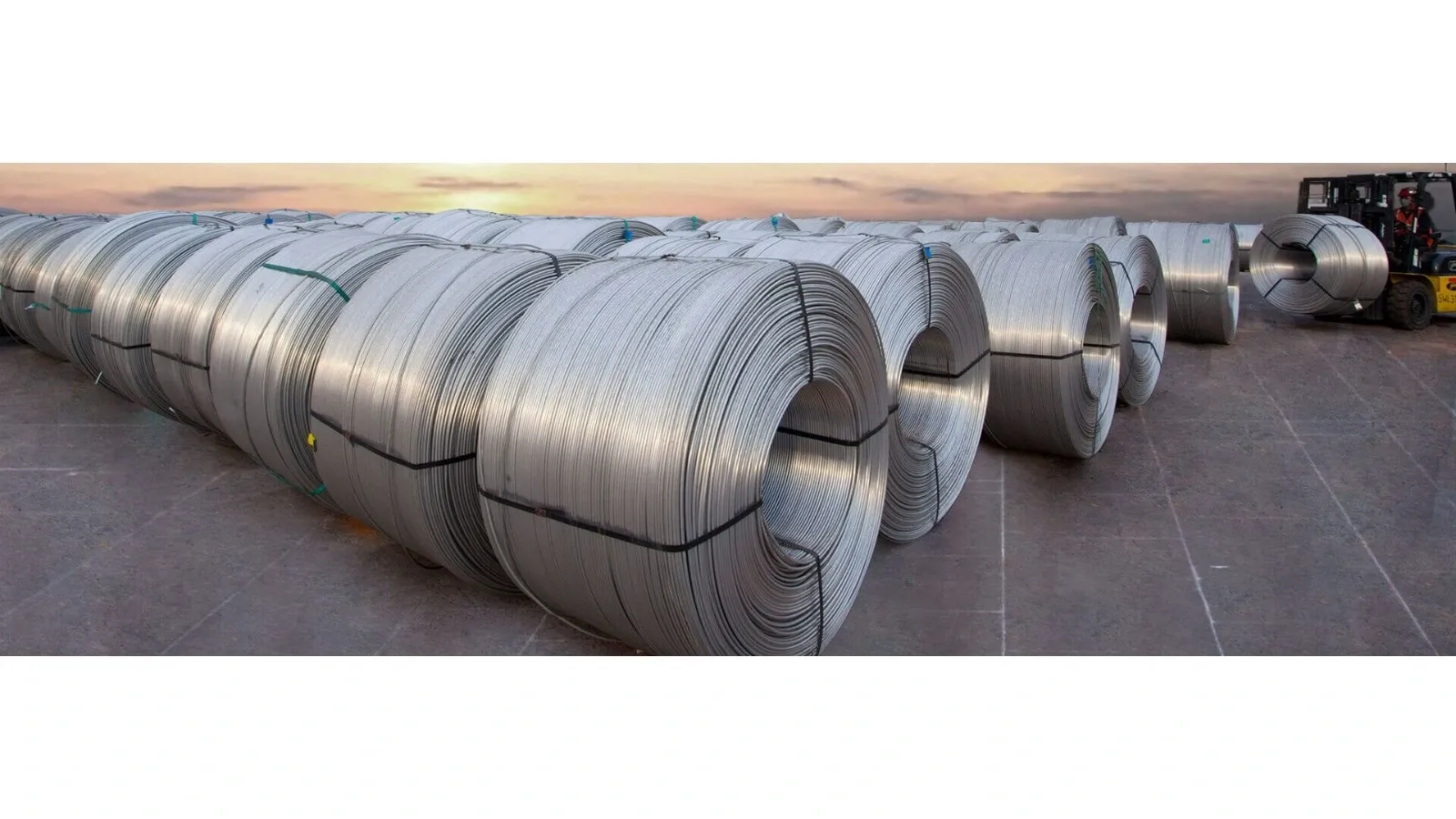
The Aluminium Extrusion Manufacturers Association of India (ALEMAI) has requested the Finance Minister to reduce the basic customs duty on primary aluminium from 7.5% to zero. This request comes as the aluminium industry prepares for the Union Budget 2027-28, hoping for measures that will support domestic manufacturers.
- ALEMAI seeks removal of the 7.5% customs duty on primary aluminium imports.
- Current duties increase costs for downstream manufacturers, especially MSMEs.
- Removing the duty could enhance competitiveness and boost aluminium consumption.
- Domestic producers like Hindalco, Vedanta, and NALCO may face increased competition.
- Downstream manufacturers could benefit from lower raw material costs.
Why does ALEMAI want to remove the import duty on primary aluminium?
ALEMAI argues that the existing basic customs duty, which effectively amounts to 8.25% including the social welfare surcharge, raises raw material costs for downstream aluminium manufacturers. Many of these manufacturers are micro, small, and medium enterprises (MSMEs) that face structural cost disadvantages due to this levy. Removing the duty would help lower input costs, improve competitiveness, and encourage greater value addition within the domestic industry.
How does the import duty affect domestic aluminium prices?
Domestic primary aluminium prices are influenced by international market prices and import-parity pricing. The customs duty on imported aluminium forms a significant part of the domestic price benchmark. This means that the current duty increases the cost of raw materials for downstream manufacturers, making it harder for them to compete, especially against imported finished aluminium products that enter India under preferential or zero-duty free trade agreements.
What impact could removing the duty have on different companies?
Downstream manufacturers such as Maan Aluminium, Manaksia Aluminium, and Century Extrusions could benefit from lower raw material costs, potentially improving their profit margins and competitiveness. However, primary aluminium producers like Hindalco Industries, Vedanta, and National Aluminium Company (NALCO) might face increased competition from imported aluminium if the duty is removed. The overall impact will depend on government decisions, global aluminium prices, and domestic demand.
What does the Ministry of Mines say about the aluminium sector?
The Ministry of Mines’ Vision Document on the Aluminium Sector 2025 highlights that India’s downstream aluminium industry paid approximately $470 million more than necessary to domestic primary aluminium producers in 2022 due to import-parity pricing. This additional cost has hindered growth and investment in the downstream sector.
What challenges do Indian aluminium manufacturers face?
Indian manufacturers face an inverted duty structure where they pay higher costs for raw materials due to import duties, while competing with imported finished and semi-finished aluminium products that enter the country at lower or zero tariffs through free trade agreements. This situation puts domestic manufacturers at a competitive disadvantage.
What are the next steps for the aluminium industry?
The industry’s request to remove the import duty will be closely watched as the government prepares the Union Budget for 2027-28. The decision will have significant implications for the aluminium value chain, affecting both primary producers and downstream manufacturers.