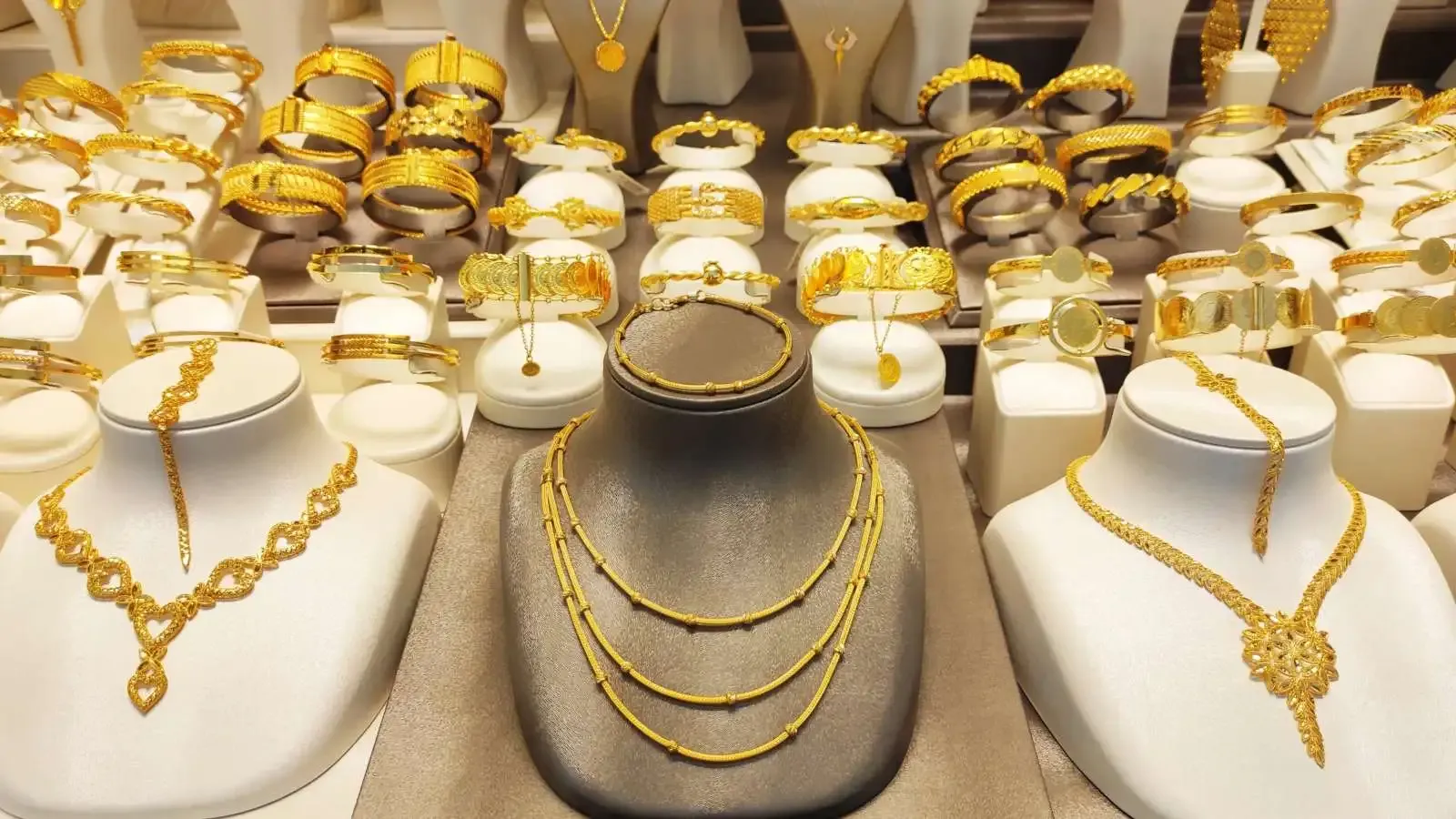
Gold prices have been falling steadily, reaching a one-year low in India by November 20, 2026. This decline is linked to important upcoming US economic events that could decide gold's future price direction. Investors and buyers are closely watching three key dates: November 25, December 4, and December 9. These dates correspond to major US reports and decisions that affect inflation, employment, and monetary policy.
- Gold prices in India dropped by ₹5,200 to ₹1,29,300 per 10 grams on November 20, continuing a nine-day losing streak.
- International gold prices fell to about $3,514 an ounce on November 20.
- Upcoming US events include the Personal Consumption Expenditures (PCE) inflation report on November 25, the employment report on December 4, and the Federal Reserve's policy decision on December 9.
- Stronger US dollar and higher Treasury yields have pressured gold prices.
- These events will influence whether gold prices continue to fall or begin to recover.
Why have gold prices fallen sharply in 2026?
Gold prices have dropped nearly 30% from their January record highs. In India, the price of 99.9% pure gold fell by ₹53,700 since January, reaching ₹1,29,300 per 10 grams by November 20. This decline is due to several factors: a stronger US dollar, rising US Treasury bond yields, and expectations of further interest rate hikes by the Federal Reserve. Higher interest rates make non-yielding assets like gold less attractive to investors.
What is the significance of the November 25 PCE inflation report?
The Personal Consumption Expenditures (PCE) price index is the Federal Reserve's preferred inflation measure. It covers a broad range of consumer spending and adjusts for changes in consumption patterns. Investors will watch both the headline and core PCE inflation figures. The core excludes food and energy prices to show underlying inflation trends. If inflation is higher than expected, it may lead to further interest rate hikes, pushing bond yields and the dollar up, which usually lowers gold prices. A lower-than-expected inflation reading could ease rate hike fears and help gold prices recover.
How will the December 4 US employment report affect gold?
The employment report provides data on job creation, unemployment, and wage growth. A strong report with robust wage growth suggests the economy is resilient, possibly leading the Federal Reserve to keep interest rates high. This would likely continue pressure on gold prices. Conversely, signs of a weakening labor market could increase hopes for monetary easing, potentially supporting gold prices.
Why is the Federal Reserve's December 9 policy decision important for gold?
The Federal Open Market Committee (FOMC) meets to decide on interest rates and monetary policy. Markets expect a 25-basis-point rate hike. If the Fed raises rates and signals that rates will stay high, gold prices may fall further. However, if the Fed hints that rate hikes might end soon or adopts a more cautious approach, gold could rebound. The Fed's forward guidance will be closely analyzed for clues about future monetary policy.
What does this mean for gold buyers in India?
Domestic gold prices in India are influenced by international gold rates, the rupee-dollar exchange rate, import duties, and taxes. The recent appreciation of the rupee against the US dollar has added to the price decline, making gold imports cheaper. This could provide relief to jewelry buyers after earlier price increases. However, investors in gold-linked financial products should expect volatility as markets respond to economic data and interest rate changes.
In summary, the period from late November to early December 2026 is crucial for gold prices. The outcomes of the US inflation report, employment data, and Federal Reserve policy decision will shape the near-term trend of gold prices both internationally and in India.
Disclaimer: This article is for informational purposes only and does not constitute investment advice. Readers should consult a financial advisor before making investment decisions.