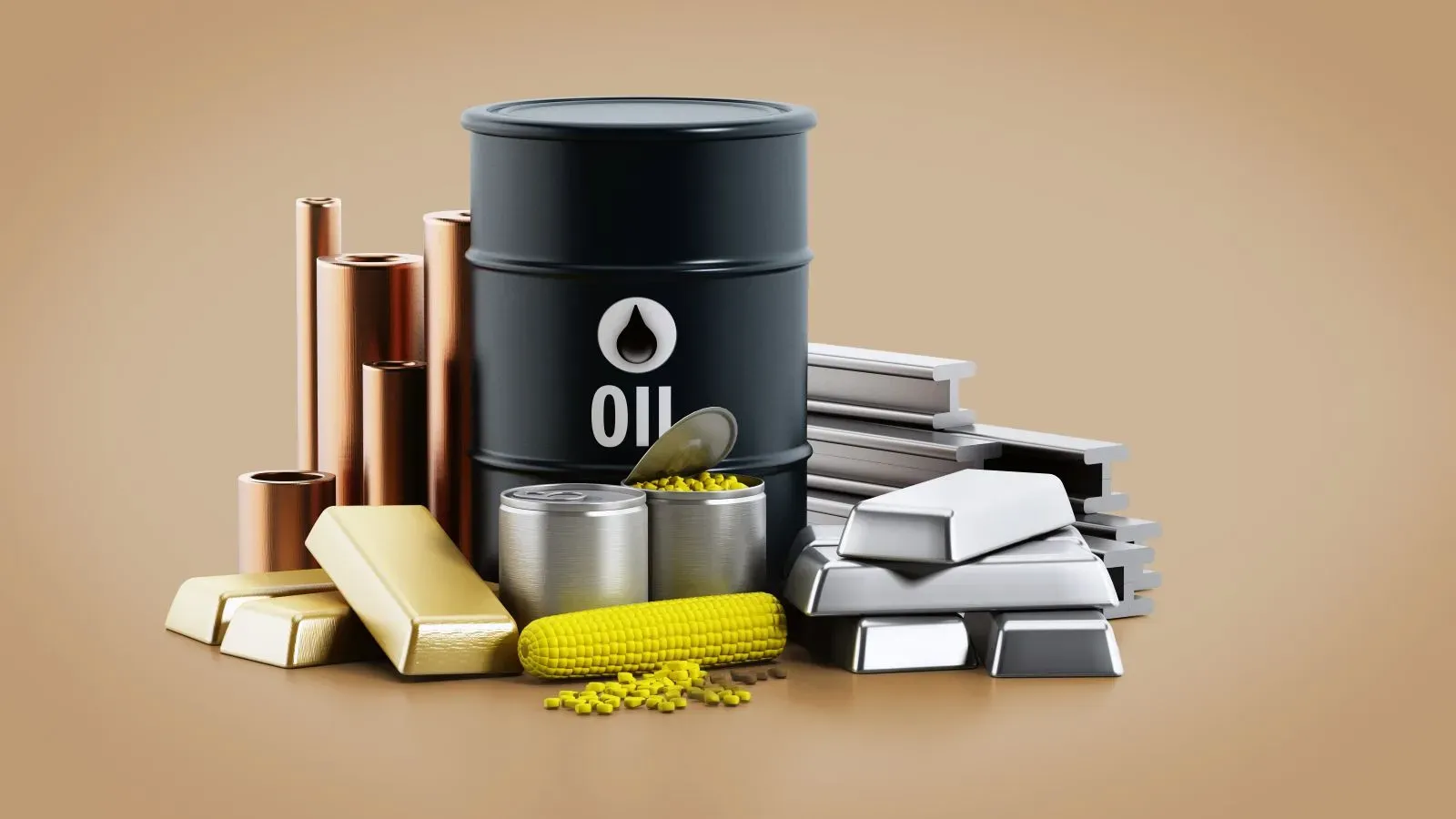
Crude oil prices fell by more than 3% over the past week, while aluminium and silver also experienced significant declines. These changes were influenced by global economic factors such as a stronger US dollar, expectations of US Federal Reserve interest rate hikes, and increased oil exports from the Middle East. Understanding these factors helps explain the recent movements in commodity markets.
- Crude oil prices dropped over 3% globally despite geopolitical tensions.
- Aluminium prices fell 6% due to improved supply and a strong US dollar.
- Silver prices declined 16%, affected by a hawkish US Federal Reserve outlook.
- US Federal Reserve's expected interest rate hike influenced commodity prices.
- Increased oil exports from the Middle East offset geopolitical concerns.
Why did crude oil prices fall despite geopolitical tensions?
Brent crude oil futures for January delivery declined by more than 3% over the week, marking the third consecutive weekly fall. This happened even though there were attacks on Saudi Arabia's capital, Riyadh, and tanker disruptions in the Strait of Hormuz. The main reason was strong global oil exports from the Middle East, which helped maintain supply levels. US Energy Secretary Chris Wright noted that oil flows through the Strait of Hormuz reached record levels, indicating a recovery in supply.
West Texas Intermediate (WTI) crude oil also fell by 6% during the week but closed slightly higher on the last trading day. Domestically, crude oil contracts on the Multi-Commodity Exchange (MCX) for January expiry dropped 7% over the week.
How did aluminium and other base metals perform?
Aluminium futures on the London Metal Exchange (LME) lost 6% during the week, hitting their lowest level in 2026. On the MCX, aluminium contracts for January expiry fell 5%. The decline was influenced by expectations of improving global supply, a strong US dollar, and anticipation of a US Federal Reserve rate hike in December.
Copper futures also dropped to around $5.50 per pound, their lowest in over seven months, falling 10% over the week. Domestic copper contracts for January expiry declined 12.5% over the month. Zinc futures sank 6%, reaching their lowest level since July.
These base metals are linked to artificial intelligence infrastructure development. The US Democratic Party's control of Congress raised concerns about tighter regulations and changes to technology tax incentives, which negatively affected demand expectations.
What caused the sharp decline in silver and gold prices?
Precious metals like silver and gold fell significantly due to a hawkish outlook from the US Federal Reserve and a stronger US dollar. Globally, the COMEX gold contract for December expiry dropped 9%, while on the MCX, gold futures fell 11% over the week.
Silver futures declined even more sharply. The COMEX silver contract for December delivery fell 16%, and on the MCX, silver futures dropped 16.2% over the week and 17.5% during November so far. Inflation concerns and the Federal Reserve's plans to maintain restrictive monetary policy to bring inflation closer to its 2% target contributed to the pressure on precious metals.
How did the US dollar and Federal Reserve policies influence commodity prices?
The US dollar strengthened significantly, reaching its highest level in over 19 months. A stronger dollar makes commodities priced in dollars more expensive for holders of other currencies, reducing demand and lowering prices.
Market participants expect a 25-basis-points interest rate hike by the US Federal Reserve in December, with an 88.6% probability. Several Fed officials support maintaining a restrictive monetary policy to control inflation. This outlook has contributed to the decline in commodity prices, especially precious and base metals.
What recent international agreements affect oil supply?
During a trilateral meeting between the United States, Russia, and China, the countries agreed to increase production and supply of petroleum products. This commitment supports global oil supply and helps explain why oil prices fell despite regional conflicts.
Additionally, US President Donald Trump expressed a desire for a long-term agreement with Iran to end ongoing conflicts, which could further stabilize oil markets.