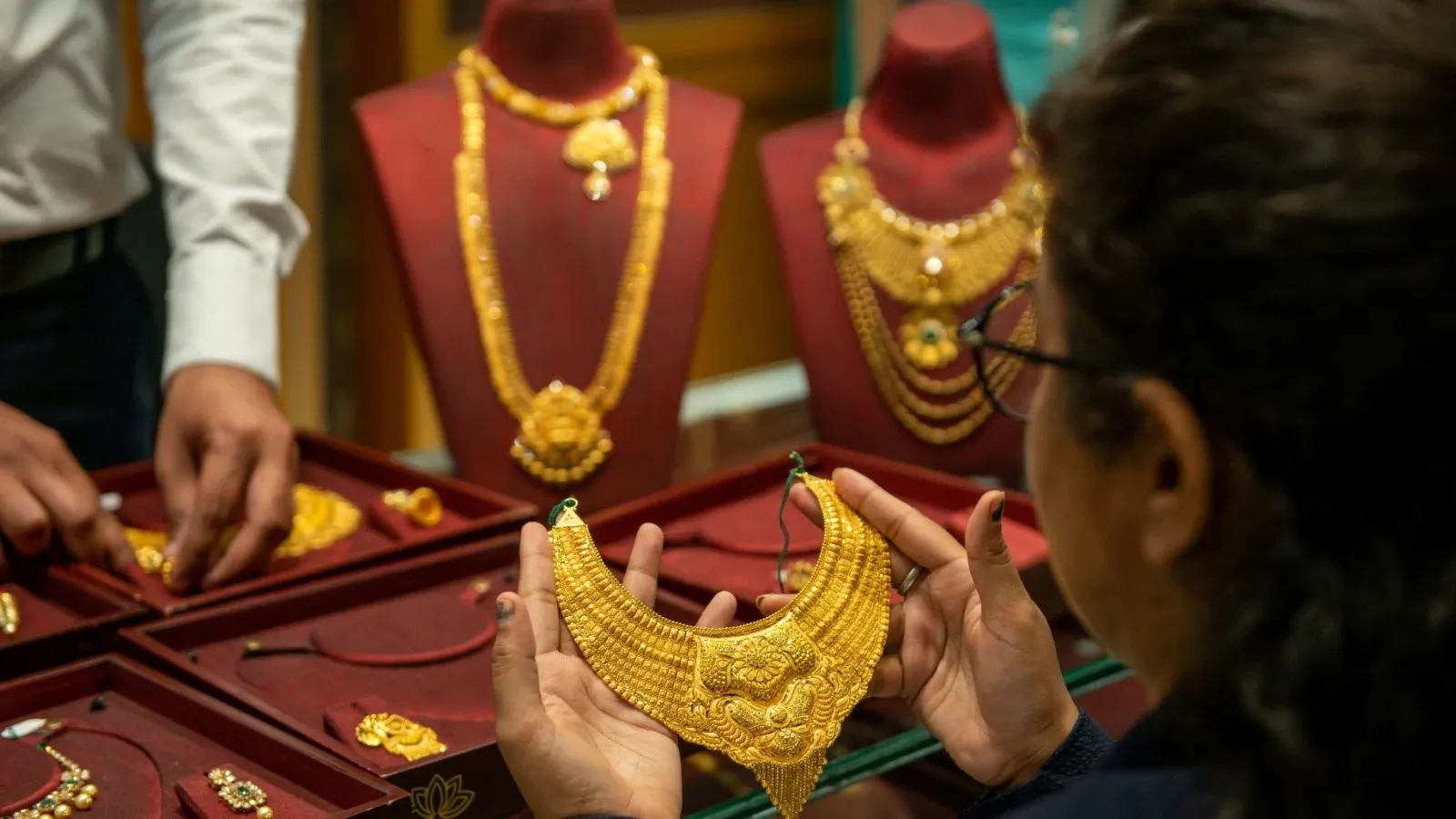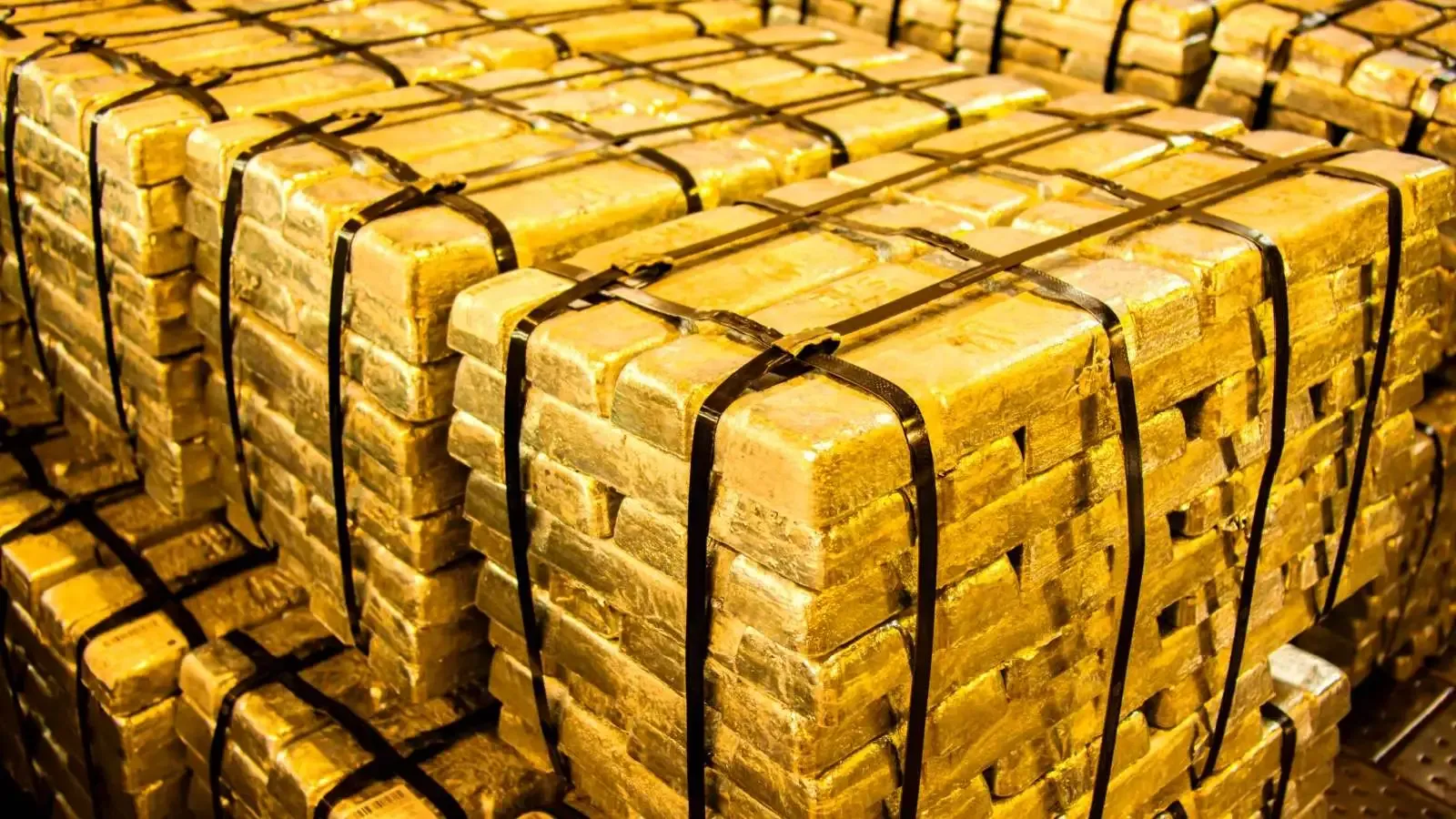
DSP Mutual Fund is changing its investment strategy for the DSP Multi Asset Omni Fund of Funds (FoF) by increasing its allocation to gold and silver. This decision comes as prices for these precious metals have dropped significantly in 2026, prompting the fund to move from an underweight stance to systematically accumulating gold and silver.
- Gold prices have fallen nearly 30% from their 2026 highs.
- Silver prices have dropped over 57% from record highs.
- The fund is using a rules-based buying approach at specific price levels.
- Gold is currently trading at a 15% discount to fair value; silver at 28% discount.
- Purchases will be funded by reducing debt and trimming equity exposure.
Why is DSP increasing gold and silver allocation now?
Gold and silver prices reached record highs earlier in 2026 but have since declined sharply. Physical gold is trading at ₹12,557 per gram, about 30% lower than its peak of ₹17,885 per gram. Silver prices have fallen over 57% from their highs, now at ₹175,000 per kilogram. These price drops have created attractive buying opportunities according to DSP Mutual Fund's valuation and macroeconomic framework.
How did DSP's previous position on precious metals compare to peers?
Since its inception, the DSP Multi Asset Omni FoF maintained a 50% underweight position in gold and silver compared to its benchmark, which includes the Nifty 500 Total Returns Index, Nifty Composite Debt Index, and domestic gold and silver prices. While peer funds were neutral or overweight on precious metals, DSP held roughly 10% in gold ETFs and minimal exposure to silver ETFs.
What is the new buying strategy for gold and silver?
DSP is adopting a rules-based buying strategy to increase exposure gradually. For gold, the fund adds 0.5% of the portfolio near $3,850 per ounce and plans additional 0.5% increments for every $100 drop to $3,800, $3,700, $3,600, and lower. For silver, it started buying 0.5% below $47 per ounce, adding 0.5% for every $2 decline. If silver falls below $42 per ounce, purchases accelerate to 1% with a one-time 0.5% addition, potentially reaching a 5% allocation if prices drop from $47 to $37.
What factors support this change in strategy?
The fund's five-point valuation and macroeconomic framework shows gold trading at a 15% discount and silver at a 28% discount to fair value. Central bank demand remains steady, though jewelry demand is currently muted but expected to recover. The strengthening US Dollar Index may cause short-term price drops, creating more buying opportunities. Additionally, the Gold-Silver Ratio is above its 21st-century average, indicating silver is undervalued relative to gold. Low speculative activity also suggests favorable risk-reward conditions.
How will the fund finance increased precious metal purchases?
To build gold and silver holdings toward neutral or overweight levels, DSP plans to reduce its debt allocation and trim exposure in selected equity sectors. This rebalancing aims to optimize the portfolio while taking advantage of the current precious metals market conditions.