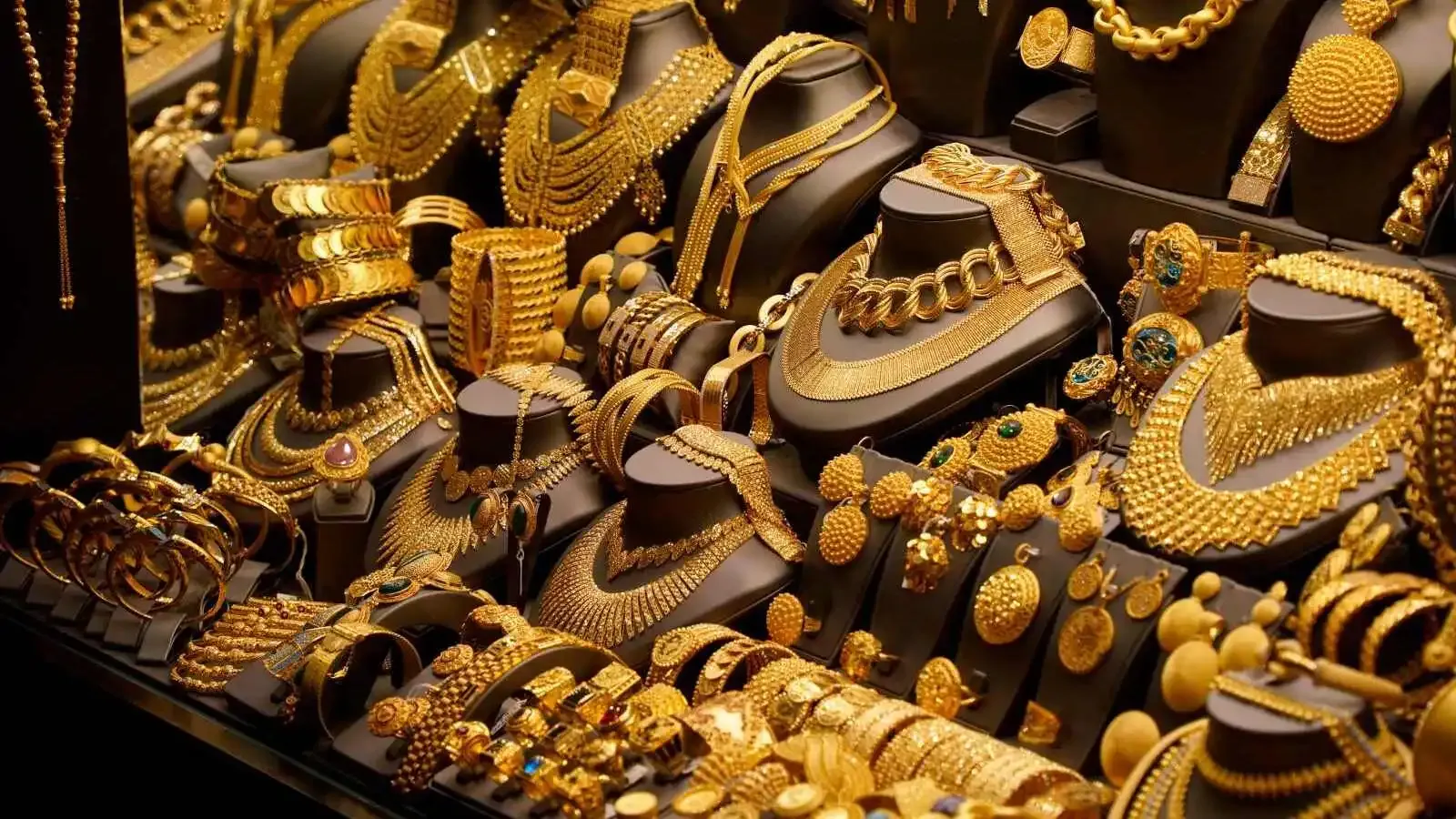
Gold prices have fallen sharply since the start of the year, dropping over 30% from their January peak. This decline is mainly due to a stronger US dollar and expectations that the US Federal Reserve will raise interest rates again soon. These factors have put pressure on international gold prices and affected related markets, including jewellery stocks.
- Gold prices fell for eight consecutive sessions, losing ₹12,400 per 10 grams since November 9.
- Silver prices also declined, dropping ₹2,500 per kilogram recently.
- Jewellery stocks, such as Titan Company and Kalyan Jewellers, fell up to 10% in five trading sessions.
- The rupee’s slight appreciation has not prevented the fall in domestic bullion prices.
- Technical indicators suggest that gold and silver prices may continue to face downward pressure.
Why Are Gold Prices Falling?
Gold prices are influenced by several factors, including the strength of the US dollar and interest rate policies set by the Federal Reserve. When the US dollar is strong, gold becomes more expensive for holders of other currencies, reducing demand. Additionally, higher interest rates increase the opportunity cost of holding non-yielding assets like gold, causing prices to drop.
Recently, the US dollar has remained resilient, and the Federal Reserve is expected to increase rates again in December. These conditions have led to a decline in international bullion prices, which in turn affects domestic gold prices.
How Have Domestic Gold and Silver Prices Changed?
In India, gold prices have fallen consistently over the past eight sessions. On November 19, gold of 99.9% purity was priced at ₹1,34,500 per 10 grams, down ₹1,300 from the previous day and ₹12,400 from November 9. Silver prices also dropped by ₹2,500 to ₹1,62,000 per kilogram.
The rupee’s slight increase against the dollar has not been enough to offset the downward trend in gold and silver prices.
What Is the Outlook for Gold and Silver Prices?
Analysts expect the near-term outlook for both gold and silver to remain weak. Technical analysis shows that gold needs to recover above ₹1,30,700 per 10 grams to stabilize. If it falls below ₹1,26,300, prices could decline further towards ₹1,22,800. Similarly, silver must rise above ₹1,66,000 per kilogram to improve its outlook; otherwise, it may drop to ₹1,52,000.
Indicators like the Relative Strength Index (RSI) suggest that gold and silver are oversold, but bearish momentum is still strong.
How Are Jewellery Stocks Affected?
The sharp fall in gold prices has coincided with a decline in jewellery stocks. Companies such as Titan Company, Kalyan Jewellers, and PC Jeweller have seen their shares drop by up to 10% over five trading sessions. This reflects cautious investor sentiment due to price volatility and uncertainty in bullion markets.
However, lower gold prices can also make jewellery more affordable, potentially boosting consumer demand in the future. Investors will watch how these price changes affect jewellery companies’ inventory values, sales, and profit margins in upcoming quarters.