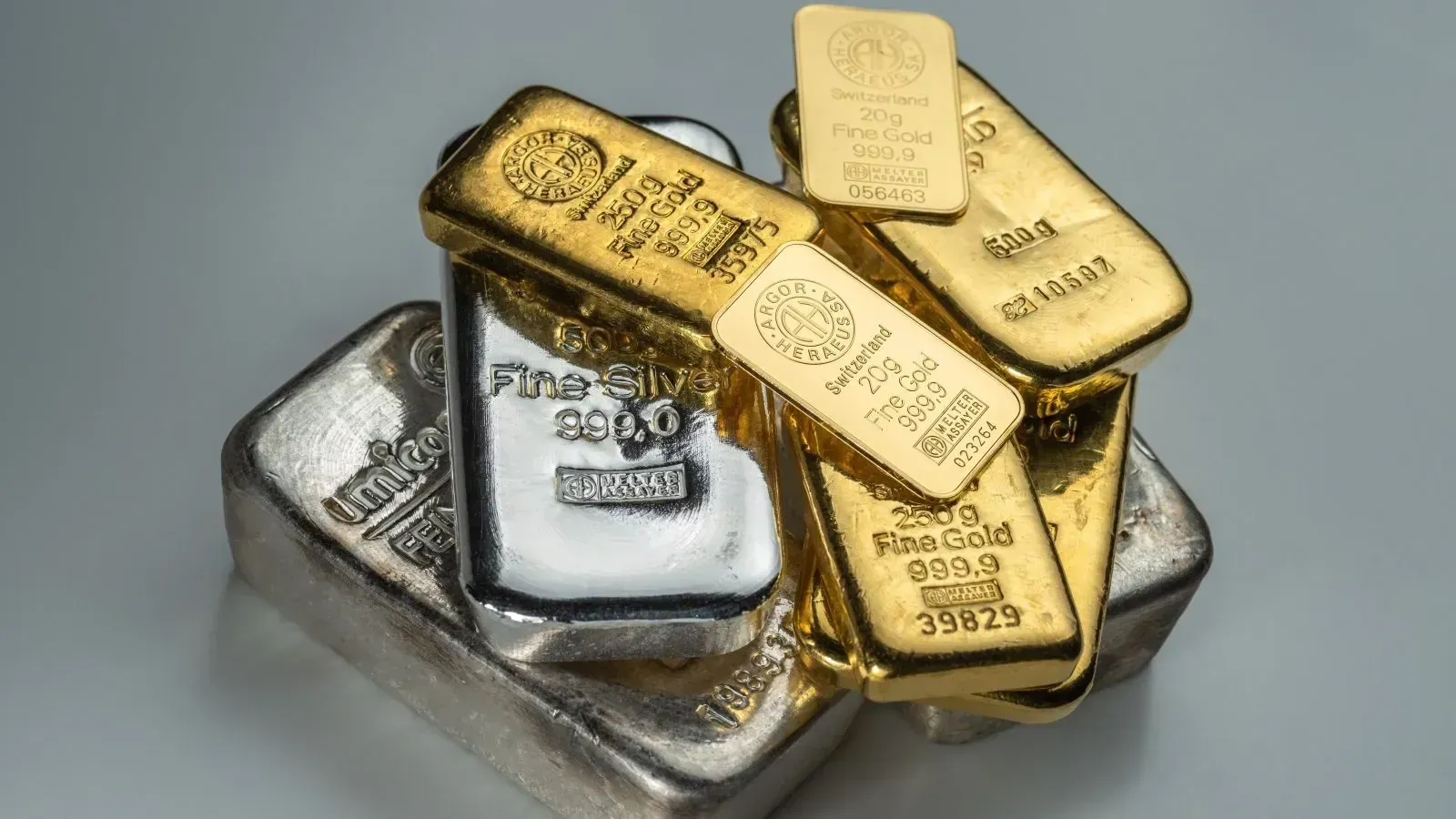
Gold and silver prices have fallen sharply in 2026, with gold dropping over 33.5% and silver plunging more than 60% from record highs reached earlier this year. On November 19, 2026, gold futures traded lower on the Multi Commodity Exchange (MCX) at ₹1,29,650 per 10 grams, while silver futures edged 1% higher to ₹1,61,661 per kilogram. These price movements reflect ongoing economic challenges and changes in global market conditions.
- Gold prices have declined over 33.5% in 2026 from January's record highs.
- Silver prices have dropped more than 60% from their peak this year.
- Gold futures traded at ₹1,29,650 per 10 grams on November 19.
- Silver futures rose 0.5% to ₹1,61,661 per kilogram on the same day.
- Strengthening US dollar and inflation concerns influenced price changes.
Why Did Gold Prices Fall in 2026?
Gold prices reached record highs in January 2026 but have since fallen by over one-third. This decline is mainly due to a stronger US dollar and rising interest rates. When the US dollar strengthens, gold becomes more expensive for holders of other currencies, reducing demand. Additionally, the Federal Reserve has been tightening monetary policy to combat inflation, which increases interest rates and lowers the appeal of non-yielding assets like gold.
How Did Silver Prices Change This Year?
Silver prices have experienced an even steeper decline than gold, dropping more than 60% from their record highs earlier in the year. Silver is used both as a precious metal and an industrial metal, so its price is affected by industrial demand as well as investment demand. Concerns about slowing industrial demand, combined with a strong US dollar, have contributed to silver's price decline. However, on November 19, silver futures rose slightly by 0.5%, showing some recovery after a recent drop.
What Were the Market Prices on November 19, 2026?
On November 19, 2026, the December futures contract for gold traded at ₹1,29,650 per 10 grams, down 0.13% from the previous close of ₹1,29,814. Silver December futures traded at ₹1,61,661 per kilogram, up 0.5% from ₹1,60,734 the day before. These prices reflect ongoing volatility in precious metals markets amid global economic uncertainties.
How Do Inflation and Federal Reserve Policies Affect Precious Metals?
The US Federal Reserve's recent meeting minutes highlighted concerns about persistent inflation and indicated plans for gradual monetary tightening. Higher interest rates tend to reduce the attractiveness of gold and silver because they do not pay interest or dividends. As the Fed raises rates to control inflation, investors often move funds into interest-bearing assets, leading to lower demand for precious metals.
What Is the Outlook for Gold and Silver?
Gold and silver prices may continue to face pressure if inflation remains high and the Federal Reserve maintains its tightening policy. However, precious metals often serve as a hedge against inflation and economic uncertainty, so prices could stabilize or rise if economic conditions worsen. Investors should monitor global economic indicators and central bank policies closely.
Frequently Asked Questions
Q: Why did gold prices drop so much in 2026?
A: Gold prices fell due to a stronger US dollar, rising interest rates, and tightening monetary policy aimed at controlling inflation.
Q: How does the US dollar affect gold and silver prices?
A: A stronger US dollar makes gold and silver more expensive for buyers using other currencies, reducing demand and lowering prices.
Q: Why is silver more affected by industrial demand than gold?
A: Silver is used in many industrial applications, so changes in industrial activity directly impact its price, unlike gold, which is mainly used for investment and jewelry.
Q: What are futures contracts for gold and silver?
A: Futures contracts are agreements to buy or sell gold or silver at a set price on a future date, allowing investors to speculate on or hedge against price changes.