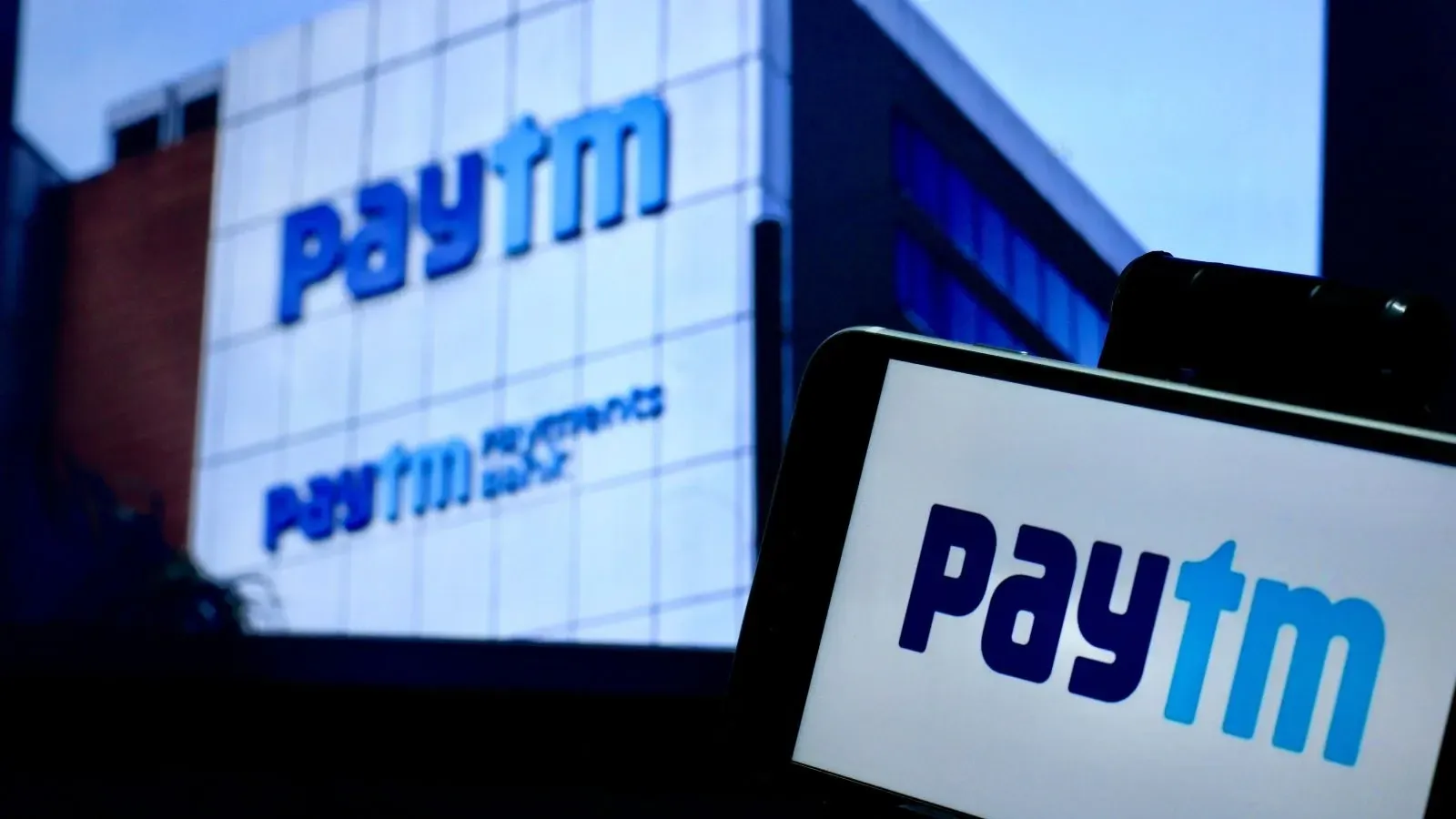
Paytm's shares dropped about 7% after news emerged that the rollout of the Merchant Discount Rate (MDR) on certain Unified Payments Interface (UPI) transactions may be delayed until after the 2027 Assembly elections. This delay has caused worry among investors because the MDR was expected to provide Paytm with an important new source of revenue from its merchant payments business.
- Paytm shares fell as much as 6.87% to ₹1,760 on the NSE.
- The MDR rollout was originally planned for October 15, 2026, but has been postponed multiple times.
- The government is considering delaying implementation until after the 2027 Assembly elections due to merchant opposition.
- The MDR would charge 0.4% on eligible UPI merchant transactions above ₹2,000, exempting smaller transactions and person-to-person transfers.
- Paytm expects the MDR to increase its payments processing margin and overall revenue.
- Payment companies are seeking clarity on the MDR timeline amid rising costs and delayed government incentives.
What is the Merchant Discount Rate (MDR) and why does it matter for Paytm?
The Merchant Discount Rate (MDR) is a fee charged on certain UPI transactions made by merchants. It is set at 0.4% for eligible transactions above ₹2,000. This fee is paid by merchants and is not passed on to consumers. For Paytm, which operates a large merchant payments ecosystem, the MDR represents a new way to earn revenue from transactions that were previously free.
Before the MDR, Paytm and other payment companies relied on other income sources like device subscriptions and financial services. The MDR could improve Paytm's payments processing margin by about 2.5 basis points according to the company's estimates, potentially increasing profitability.
Why is the MDR rollout being delayed?
The MDR rollout was initially scheduled for October 15, 2026, but the National Payments Corporation of India (NPCI) delayed it until after Diwali 2026. Now, reports suggest the government may push it further until after the 2027 Assembly elections in five states. This is mainly due to concerns about opposition from merchants and trade associations who are worried about the additional charges.
The government, Reserve Bank of India (RBI), and NPCI have not yet agreed on a new implementation date. This ongoing uncertainty has affected investor confidence in Paytm.
How does the delay affect Paytm and the payments industry?
For Paytm, the delay means postponing the expected revenue boost from MDR charges. The company had planned to monetize a significant portion of its merchant payments through this fee. Investors were counting on this new revenue stream to improve Paytm's financial performance.
The payments industry as a whole is seeking clear communication from the government and NPCI about when MDR will be implemented. The Payments Council of India (PCI) has made multiple requests for a firm timeline. Additionally, banks and payment companies have not received government incentives for processing UPI and RuPay transactions for over 18 months, even as their costs continue to rise.
The MDR framework is seen as a way to create a sustainable revenue model for the UPI ecosystem. However, the delay could slow down the financial benefits for payment platforms like Paytm.
What should investors watch for next?
Investors will be closely monitoring the government's decision on the MDR implementation timeline. They will also watch how the revised MDR framework impacts Paytm's revenue and profit margins once it becomes effective. The timing of the rollout is crucial for Paytm's business outlook and investor confidence.
Source: Market news report dated November 19, 2026, based on information from One 97 Communications and regulatory bodies.