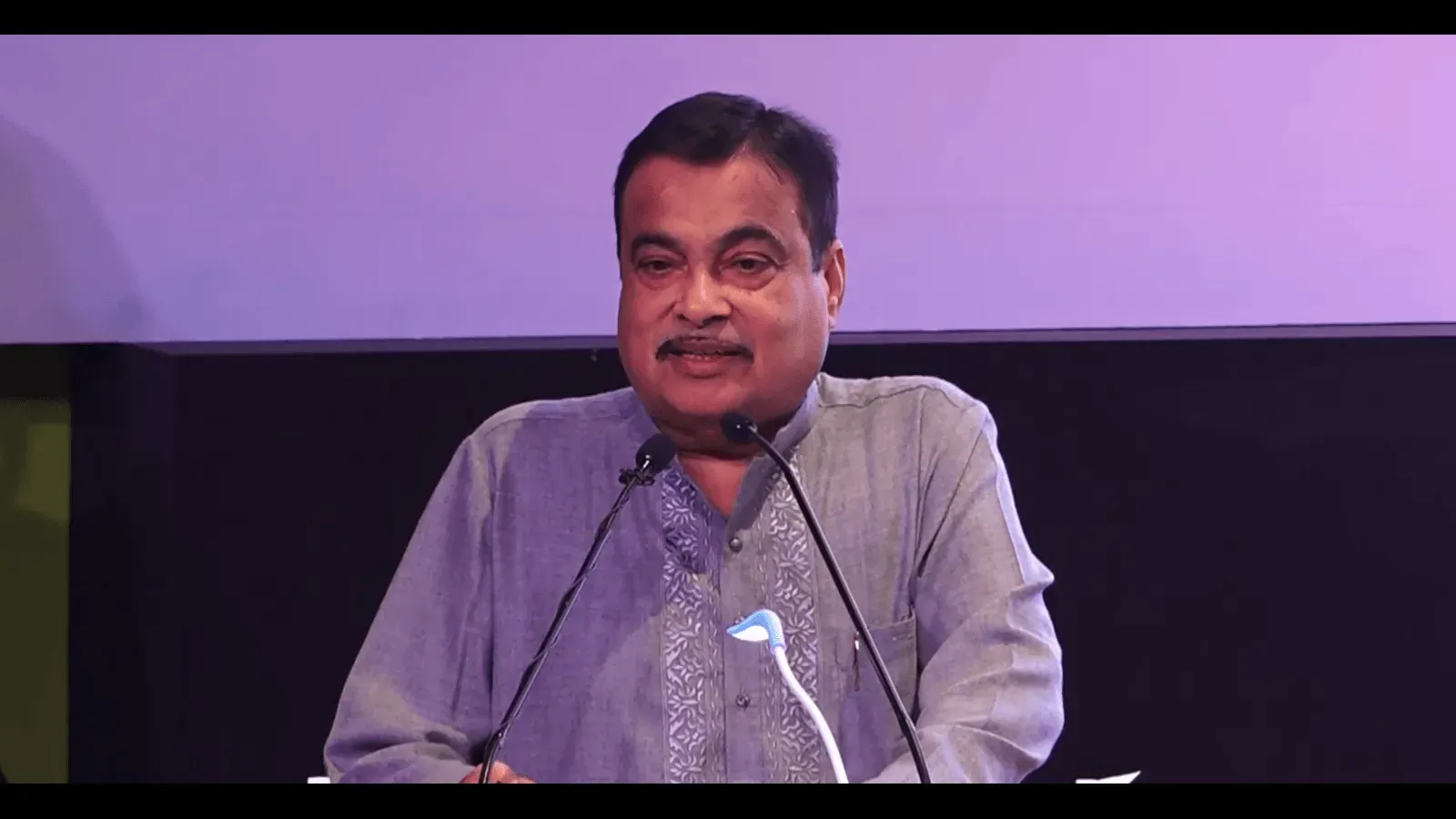
Road Transport and Highways Minister Nitin Gadkari has called on Indian states to implement the Motor Vehicle Aggregator Guidelines, 2025, which permit private motorcycles to be used for passenger rides through app-based platforms. This initiative aims to create employment opportunities for millions and enhance affordable mobility nationwide.
- Only Rajasthan has fully implemented the guidelines; Haryana and Uttar Pradesh have partial adoption.
- The guidelines allow private motorcycles to operate as passenger vehicles via aggregators under the Motor Vehicles Act.
- Potential to generate jobs for 15-20 crore people and reduce poverty.
- Driver welfare and passenger safety are strengthened with insurance and training requirements.
- Encourages reduced traffic congestion and vehicular pollution.
What are the Motor Vehicle Aggregator Guidelines, 2025?
The Motor Vehicle Aggregator Guidelines, 2025, provide a regulatory framework for states to permit private motorcycles to offer passenger rides through app-based aggregator platforms. This is done under Section 67(3) of the Motor Vehicles Act, 1988. The guidelines update previous rules from 2020 to reflect changes in shared mobility, including bike-sharing and electric vehicles.
Why is Minister Gadkari urging states to adopt these guidelines?
Minister Gadkari highlighted that wider adoption could create millions of jobs, helping to address poverty, unemployment, and socio-economic challenges. He emphasized the dignity and self-respect employment provides, stating that enabling private motorcycles to serve passengers through aggregators could stimulate significant economic activity and improve lives.
Which states have implemented the guidelines so far?
As of now, Rajasthan is the only state that has fully implemented the Motor Vehicle Aggregator Guidelines, 2025. Haryana and Uttar Pradesh have adopted them partially. Gadkari has reached out to all state Transport Commissioners and governments to encourage full implementation.
How do the guidelines support driver welfare and passenger safety?
The guidelines include provisions to protect drivers and passengers. Drivers using their own vehicles must receive at least 80% of the fare. They are also entitled to health insurance coverage of ₹5 lakh and term insurance of at least ₹10 lakh. Additionally, drivers must complete 40 hours of induction training, and a 24-hour grievance redressal system is in place for both drivers and passengers.
What benefits do these guidelines offer to the environment and mobility?
Allowing private motorcycles to operate as passenger vehicles via aggregators can help reduce traffic congestion and lower vehicular pollution. It also provides affordable and flexible mobility options for commuters, especially in urban and semi-urban areas.
What challenges have bike taxi operators faced before these guidelines?
Before the 2025 guidelines, bike taxi operators like Rapido and Uber faced legal challenges in several states due to unclear regulations on using privately registered motorcycles for commercial passenger services. The new guidelines offer regulatory clarity and a standardized framework to support these services.
What event highlighted the importance of these guidelines?
Minister Gadkari spoke at the 'RIDE – Moving India Forward' event held at Bharat Mandapam in New Delhi. The event was organized in collaboration with major mobility and delivery companies such as Uber, Ola, Rapido, Bharat Taxi, Zomato, Swiggy, and Porter, emphasizing the growing role of app-based services in India's transportation ecosystem.