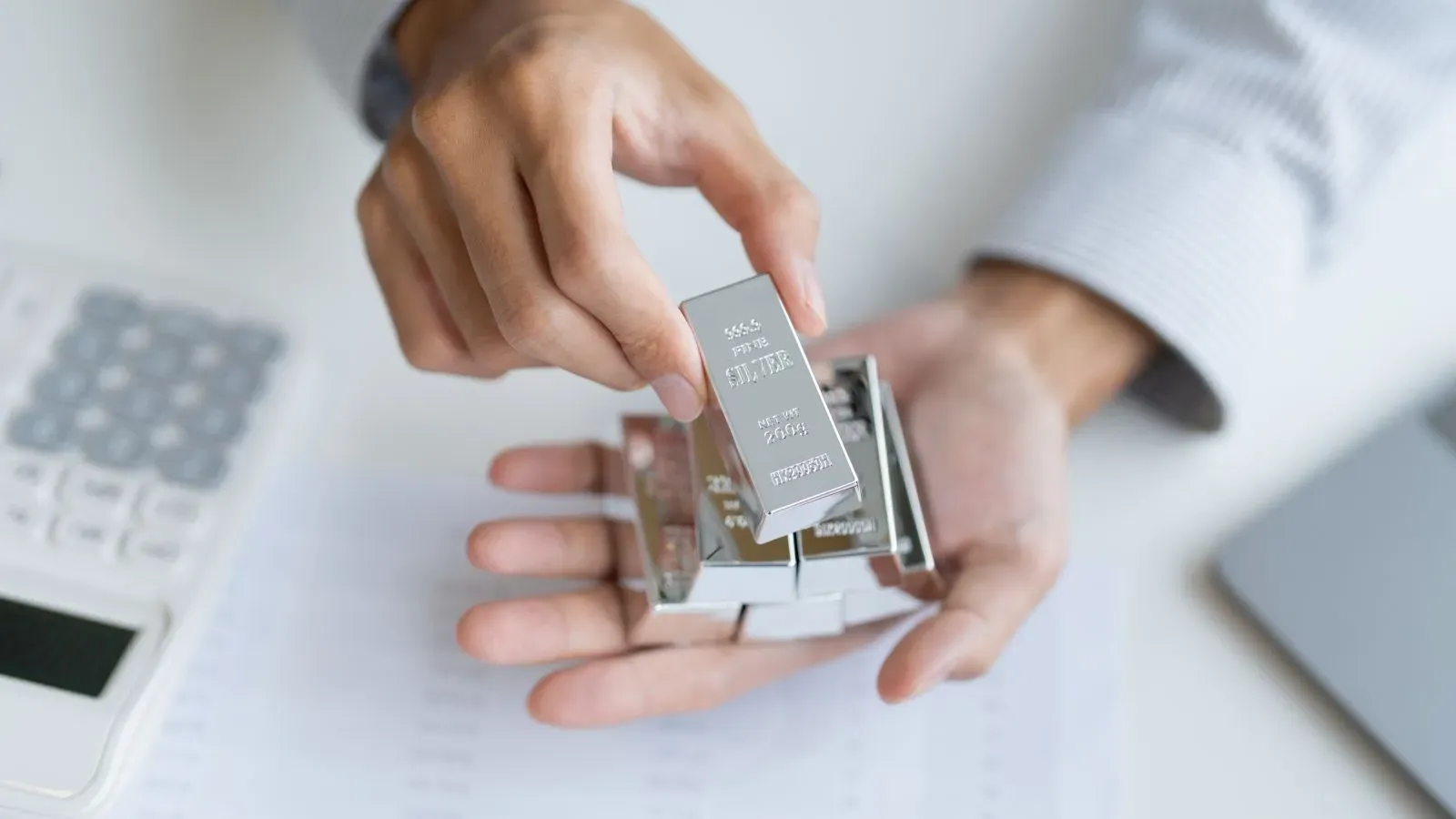
Silver prices have dropped to their lowest level in a year, reaching ₹1,63,533 per kilogram on November 18, 2026. This decline affects companies differently, with Hindustan Zinc, a major silver producer, facing losses, while solar panel manufacturers stand to gain from lower raw material costs.
- Silver prices fell 3.6% to a one-year low on November 18, 2026.
- Hindustan Zinc produces silver as a by-product and will see reduced profits.
- Solar panel makers benefit from lower silver costs, improving their margins.
- Silver is widely used in electronics and solar panels due to its conductivity.
- Stronger US dollar and interest rate hikes contributed to the price drop.
Why Did Silver Prices Drop to a One-Year Low?
On November 18, 2026, silver prices declined sharply due to weak global market signals and a stronger US dollar. The US dollar index rose to 103.66, making precious metals more expensive for buyers using other currencies. Additionally, comments from the Federal Reserve Bank of St. Louis President Alberto Musalem suggested further interest rate hikes, which typically reduce demand for non-yielding assets like silver.
How Does the Silver Price Decline Affect Hindustan Zinc?
Hindustan Zinc, a subsidiary of the Vedanta Group, is India's primary domestic silver producer. It extracts silver as a by-product of mining zinc and lead. The company benefited from high silver prices earlier, posting record revenues and profits in the second quarter of fiscal year 2027. Silver sales rose 141% to ₹4,111 crore, and production increased 20% year-on-year to 173 tonnes. However, with silver prices falling, Hindustan Zinc is expected to face lower revenues and reduced profit margins in the coming periods.
Why Do Solar Panel Manufacturers Benefit from Lower Silver Prices?
Solar panel makers such as Waaree Energies, Emmvee Photovoltaic, Premier Energies, and Vikram Solar use silver paste in their photovoltaic panels. Silver's excellent electrical conductivity makes it essential for carrying electricity generated by sunlight. Lower silver prices reduce the cost of raw materials for these manufacturers, allowing them to protect their profit margins and offer competitive pricing in tenders.
What Are the Broader Uses and Supply Sources of Silver?
More than 70% of silver supply comes as a by-product of mining other metals like lead, zinc, copper, and gold. Major global producers include Mexico, Peru, China, and Russia. Silver is not only used in jewelry but also in industrial and electronic products such as semiconductor chips, automotive parts, aerospace components, and especially solar panels due to its high electrical and thermal conductivity.
What Is the Long-Term Outlook for Silver?
Despite the recent price drop, the long-term demand for silver is expected to grow, driven by increasing use in renewable energy technologies and electronics. The push for solar energy and other green technologies will likely support silver demand over time, making the metal's future outlook positive.