Gold and silver prices dropped to their lowest levels since the festive season on November 17, 2026. This decline happened because the US dollar strengthened and the US Federal Reserve signaled tighter monetary policies. As a result, the prices of these precious metals fell below the highs seen during October and early November.
- Gold prices fell to ₹13,604 per gram for 24 karat gold, the lowest since October.
- Silver prices remained steady at around ₹190 per gram but are down nearly 21% from October peaks.
- Hawkish statements from the US Federal Reserve influenced the decline by increasing expectations of interest rate hikes.
- Festive season demand for gold and silver in India has decreased after peaking in October.
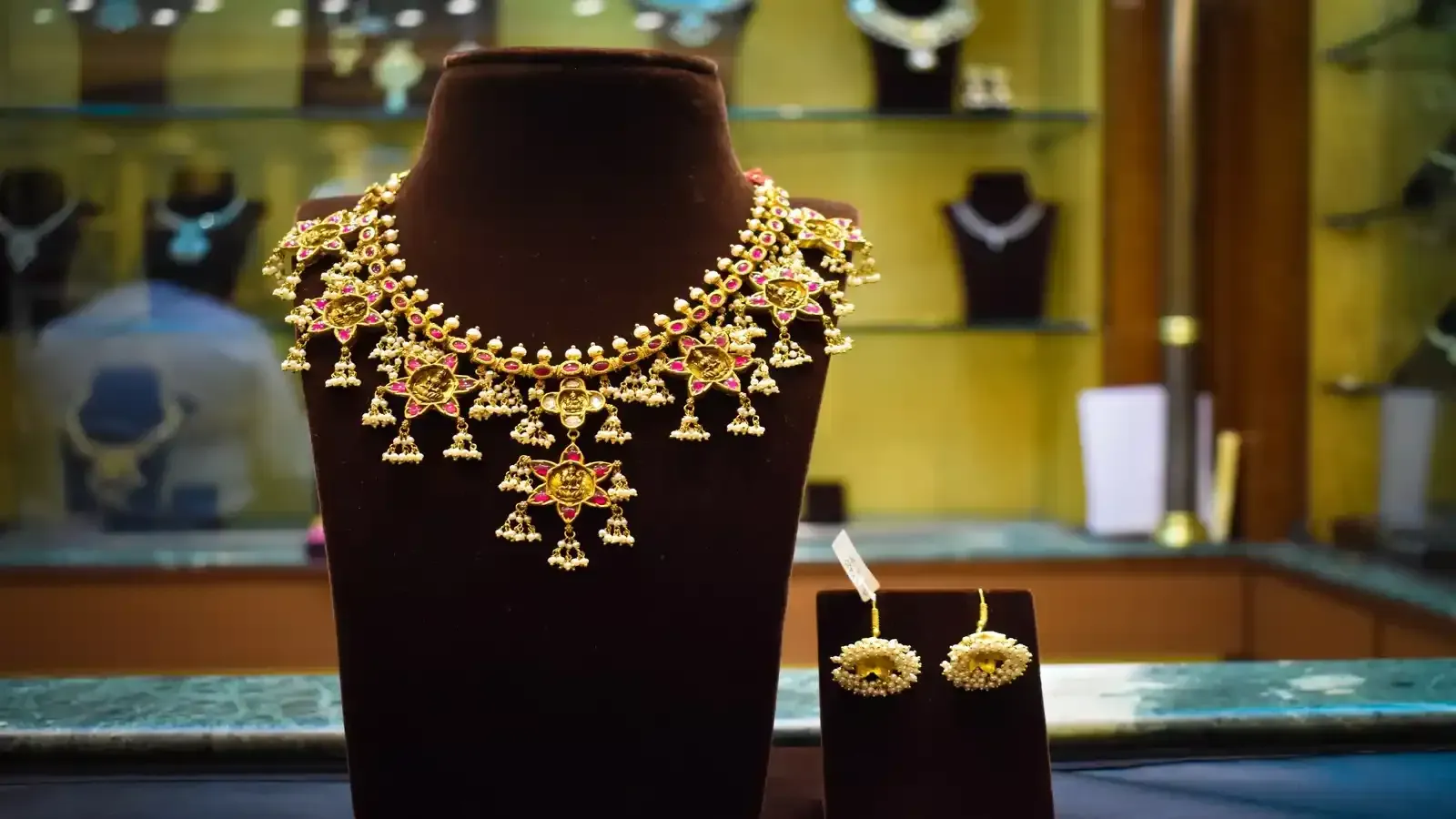
- Lower gold and silver prices benefit jewellery buyers ahead of the winter wedding season.
Why Did Gold and Silver Prices Fall After the Festive Season?
Gold and silver prices usually rise during India's festive season, which includes Navaratri and Diwali, due to increased demand. However, after the season ended, prices started to fall. This drop is mainly because the US dollar strengthened and the US Federal Reserve made hawkish statements about raising interest rates. Higher interest rates make gold and silver less attractive to investors, leading to lower prices.
How Much Have Prices Changed Since the Festive Peak?
According to data, 24 karat gold reached a peak price of ₹15,142 per gram on October 10, 2026. By November 17, the price had dropped by about 10.15% to ₹13,604 per gram. Silver prices peaked at ₹2,40,000 per kilogram on the same day and have fallen nearly 21% to around ₹1,90,000 per kilogram.
What Are the Current Prices of Gold and Silver?
On November 17, 2026, the price of 10 grams of 24 karat gold was approximately ₹1,36,040. For 22 karat gold, it was ₹1,24,700, and for 18 karat gold, it was ₹1,02,030. Prices in Delhi were slightly higher, with 10 grams of 24 karat gold costing about ₹1,36,200. Silver traded around ₹190 per gram or ₹1,90,000 per kilogram.
How Do US Federal Reserve Policies Affect Gold and Silver Prices?
The US Federal Reserve's statements about raising interest rates influence global markets. When interest rates rise, US government securities offer better returns, making gold and silver less attractive as investments. This causes investors to sell these metals, pushing prices down worldwide. Recent Fed comments about the need for further tightening due to services inflation have increased expectations of rate hikes, contributing to the price decline.
What Does This Mean for Buyers and Investors?
For investors holding physical gold and silver, the recent price drop means a decrease in the value of their holdings. However, for jewellery buyers, especially with the winter wedding season starting in late November, lower prices are beneficial. The World Gold Council expects demand to improve in the fourth quarter compared to the third, supporting prices in the coming months.
What Factors Will Influence Future Gold Prices?
Future gold and silver prices depend on several factors, including the strength of the Indian rupee against the US dollar, global demand for precious metals, and ongoing economic conditions. Prices published online are indicative and may vary by jeweller and city.