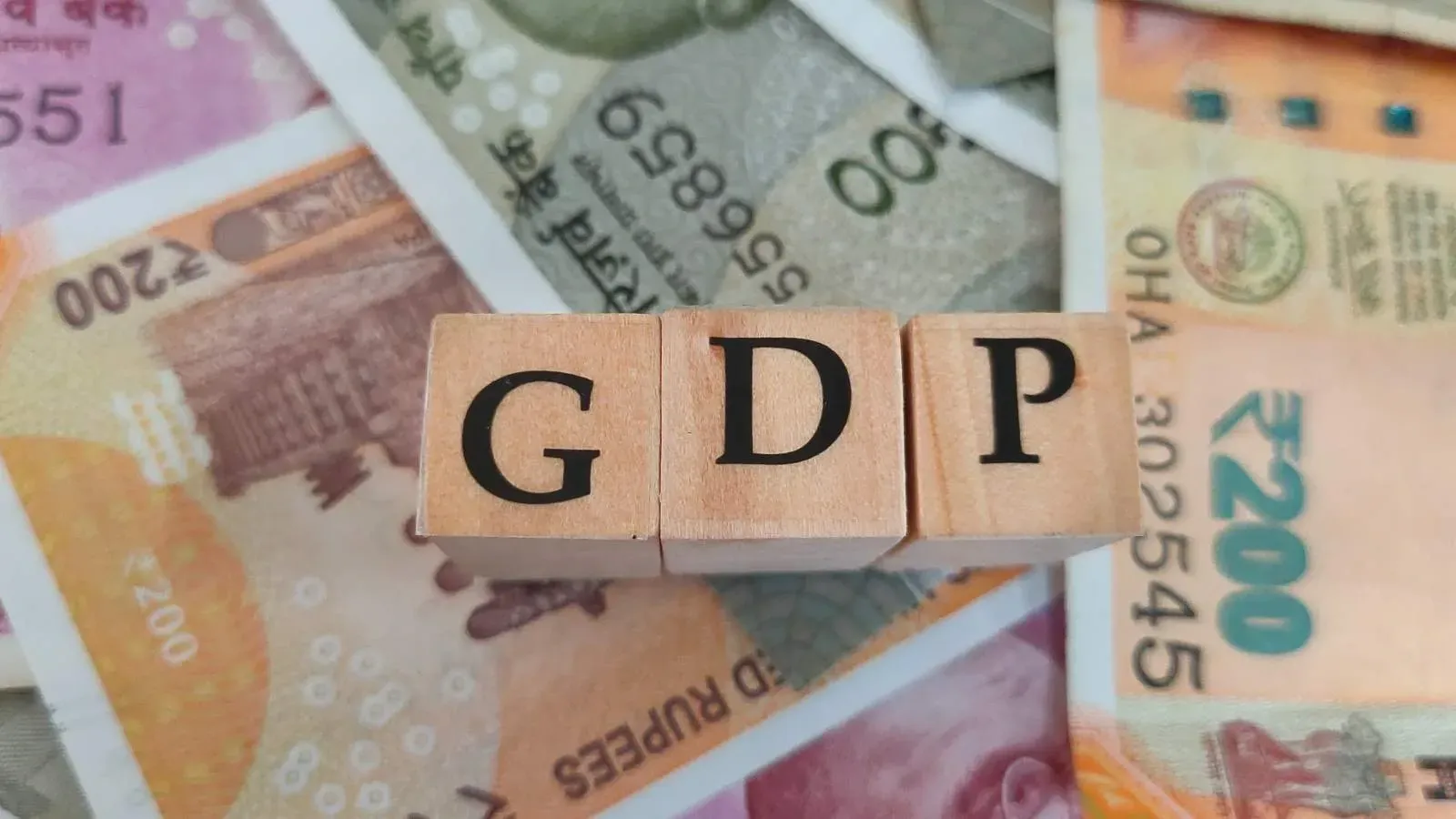
India's GDP growth is expected to slow down to 7.1% in the fiscal year 2026-27, according to the rating agency ICRA. This slowdown is mainly due to a weak monsoon, rising inflation, and high input costs that are expected to weigh on economic activity in the second half of the year.
- GDP growth forecast at 7.5% for Q2 FY27, higher than RBI's 7.2% estimate.
- Agriculture sector growth expected to slow sharply due to deficient rainfall.
- Industrial and services sectors remain relatively resilient in Q2 FY27.
- Inflation and input costs may impact consumer spending and investment.
- Nominal GDP growth projected to improve to around 12.5% in FY27.
Why is India's GDP growth expected to slow in FY27?
ICRA has identified several factors contributing to the slowdown in GDP growth. The primary cause is deficient monsoon rainfall, which was 13% below the long-period average in 2026. This has negatively affected agriculture, which is a key part of the economy. Additionally, rising inflation and elevated input costs are putting pressure on economic activity. The high base effect from last year's Goods and Services Tax (GST) rate rationalisation is also expected to reduce growth momentum in the second half of the fiscal year.
How is the agriculture sector affected by the weak monsoon?
Agriculture is likely to be the worst-hit sector due to the weak monsoon. Gross value added (GVA) growth in agriculture, forestry, and fishing is estimated to slow sharply to about 0.2% in Q2 FY27, down from 3.6% in the previous quarter. The cumulative area sown under kharif crops declined by 1% year-on-year as of October 2, 2026. Uneven rainfall patterns have impacted crop yields, which may reduce overall output. Low reservoir levels could also affect the sowing and yield of rabi crops.
What is the outlook for the industrial and services sectors?
Despite challenges in agriculture, the industrial and services sectors are expected to remain relatively strong in the September quarter. Manufacturing volumes rose by 8.1% in Q2 FY27 compared to 6.9% in the previous quarter. Profits of listed manufacturing companies also showed robust growth, led by the oil refining segment. Industrial GVA growth is projected to ease slightly to around 7.2% in Q2 from 7.7% in Q1. Services GVA growth is expected to moderate to about 9.1% from 10% but will remain strong overall.
How might inflation and global factors impact the economy?
ICRA warns that ongoing conflicts in West Asia could keep crude oil prices volatile and above pre-conflict levels. This situation may lead to higher input costs, reduced investment demand, and subdued consumer sentiment. Rising inflation and potential monetary tightening could also weigh on consumer spending, particularly discretionary purchases, although the impact may be gradual.
What are the projections for nominal GDP growth?
Despite the expected moderation in real GDP growth, nominal GDP growth is projected to improve to around 12.5% in FY27, up from 8.6% in FY26. This increase is largely due to anticipated higher inflation rates. For the September quarter, nominal GDP growth is estimated between 11.5% and 12.5%, compared to 10.3% in the first quarter of FY27.
Frequently Asked Questions
Q: What is the expected GDP growth rate for India in FY27?
A: ICRA projects India's GDP growth to slow to 7.1% in FY27.
Q: Which sector is most affected by the weak monsoon?
A: The agriculture sector is most affected, with GVA growth expected to slow sharply.
Q: How will inflation affect the economy?
A: Rising inflation may increase input costs, reduce consumer spending, and impact investment demand.
Q: What is the outlook for industrial and services sectors?
A: Both sectors are expected to remain relatively resilient despite challenges in agriculture.