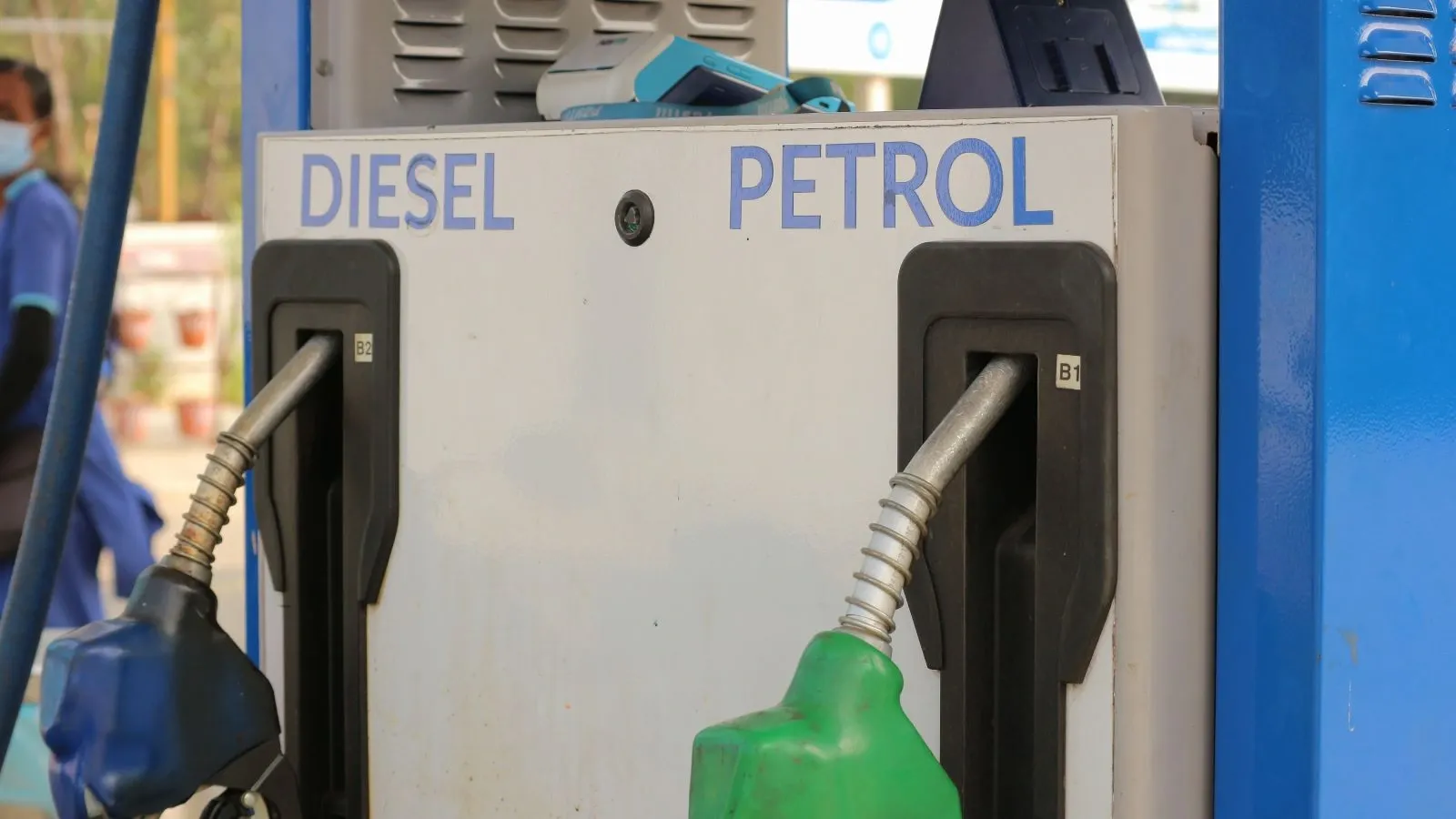
The government increased the windfall tax on exports of diesel and aviation turbine fuel (ATF) in November 2026 to maintain adequate domestic fuel supplies and discourage excessive overseas sales. However, the export duty on petrol remains unchanged at zero. This move aims to prevent exporters from benefiting excessively from higher global oil prices amid ongoing geopolitical tensions.
- The export duty on diesel was raised from ₹11.50 per litre to ₹14 per litre.
- The export duty on ATF increased from ₹11 per litre to ₹12.50 per litre.
- The petrol export duty remains at zero for the current fortnight.
- Domestic duty rates on petrol and diesel remain unchanged.
- The windfall tax was first introduced in March 2026 and has been revised every two weeks since.
Why Did the Government Introduce Windfall Taxes on Fuel Exports?
The government imposed export duties on diesel and ATF starting March 27, 2026, to discourage excessive overseas sales. This was necessary to ensure that enough fuel remains available within the country. The taxes also aim to prevent exporters from gaining undue profits due to rising global crude oil prices caused by conflicts in West Asia.
How Have the Export Duties Changed Over Time?
Since their introduction in March 2026, the export duties on diesel and ATF have been adjusted every fortnight. The latest revision, effective from November 16, 2026, increased the duty on diesel from ₹11.50 to ₹14 per litre and on ATF from ₹11 to ₹12.50 per litre. The petrol export duty, which was introduced later in May 2026, remains at zero.
What Is the Impact on Domestic Fuel Prices and Availability?
The government clarified that there are no changes to the existing duty rates on petrol and diesel intended for domestic consumption. By increasing export duties, the government hopes to keep more fuel within the country, stabilizing supply and preventing price spikes caused by export-driven shortages.
What Are the Broader Reasons Behind These Tax Changes?
The ongoing conflict in West Asia has led to fluctuations in global crude oil prices. To protect domestic consumers and the economy, the government introduced windfall taxes to discourage exporters from profiting excessively from these price increases. This policy helps balance international market dynamics with national fuel security.
Frequently Asked Questions
Q: When were the export duties on diesel and ATF first introduced?
A: The export duties on diesel and ATF were first imposed on March 27, 2026.
Q: Have the export duties on petrol changed recently?
A: No, the export duty on petrol remains unchanged at zero for the current fortnight.
Q: Do these export duties affect domestic fuel prices?
A: No, the government has stated that there are no changes in the duty rates on petrol and diesel for domestic consumption.
Q: Why is the government imposing these windfall taxes?
A: The taxes are intended to ensure adequate domestic fuel supply and prevent exporters from gaining excessive profits due to rising global oil prices amid geopolitical tensions.